
The use of drone strikes in modern warfare has revolutionized the way conflicts are managed and executed. Known for their precision and ability to minimize human casualties, drones have rapidly become a preferred tool in military strategies worldwide. The advent of drones in warfare has brought both advantages and challenges.
Advantages of Drone Strikes
Drones offer an unparalleled advantage in terms of surveillance and reconnaissance. The capability to gather real-time data enables military forces to make informed decisions on the battlefield, thereby increasing operational effectiveness. Additionally, drones’ precision targeting reduces collateral damage and limits civilian casualties, which is a significant ethical consideration in contemporary combat scenarios.
Strategic Deployment
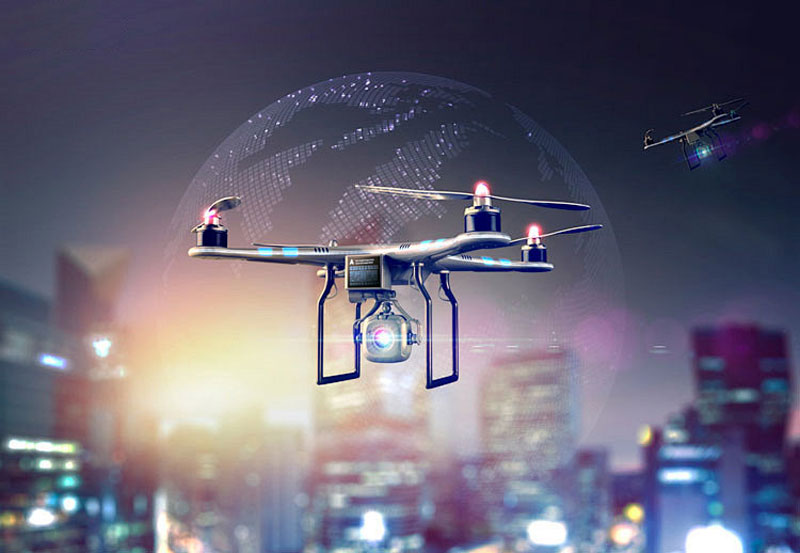
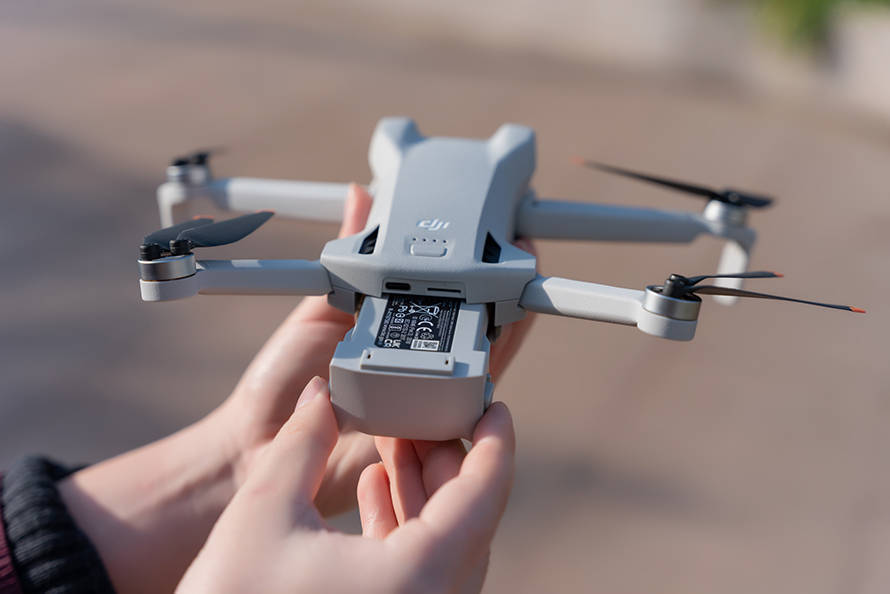
The strategic deployment of drone strikes has altered the geopolitical landscape. Countries can now engage in warfare from a distance, reducing the risk to their personnel while effectively deterring enemy actions. The ability to conduct operations remotely also allows for quicker responses to threats and more flexible mission planning.
Challenges Associated with Drone Strikes
Despite their benefits, drone strikes pose several challenges. One major concern is the potential for misuse or over-reliance, which could lead to unintended escalation of conflict. Furthermore, drones often rely heavily on technological infrastructure, making them vulnerable to cyber-attacks or technical failures.
Another contentious issue is the legal and ethical implications surrounding drone use. Questions about sovereignty and human rights often arise, especially when drone strikes occur across international borders without explicit permission.
Technological Dependence
Modern warfare’s increasing dependence on technology introduces vulnerabilities that adversaries might exploit. The reliance on drones necessitates robust cybersecurity measures to protect sensitive data and ensure smooth operation.
The Future of Drone Warfare
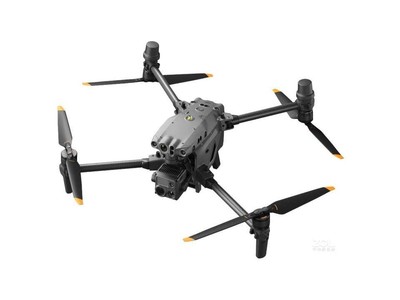
As technology continues to advance, the effectiveness and capability of drone strikes are expected to grow. Innovations in AI and machine learning are likely to further enhance drones’ functionalities, making them even more integral to military operations. However, with these advancements come increased scrutiny and regulation to ensure ethical use.
The global community faces the challenge of establishing comprehensive frameworks to govern drone usage, balancing technological benefits with moral and legal considerations. Cooperation among nations could lead to more standardized practices, reducing the risk of conflict escalation.