
Selecting the ideal location to safely down your drone requires careful consideration of various factors to ensure both the security of your drone and the safety of those nearby. Whether you’re an experienced drone operator or just beginning to explore the skies, knowing where and how to down your drone can prevent accidents and damage. The first factor to consider is the environment. Assessing the area and ensuring it is free from obstacles is crucial. Sites such as open fields or wide parking lots are preferable as they provide ample space for maneuvering and landing. Additionally, you should avoid areas with heavy pedestrian traffic or near airports where there could be conflicts with other flying objects.
Check Local Regulations
Compliance with local rules and regulations is another key aspect. Many regions have specific laws governing where drones can be flown and landed. Familiarize yourself with these laws to avoid penalties and ensure your drone operations are legal. Often, public parks have specific areas designated for drones, making them ideal choices for landing.
- Ensure you have a clear line of sight when landing your drone to prevent accidents.
- Always check the weather conditions before launching your drone. Bad weather can make landing difficult.
Location Features and Accessibility
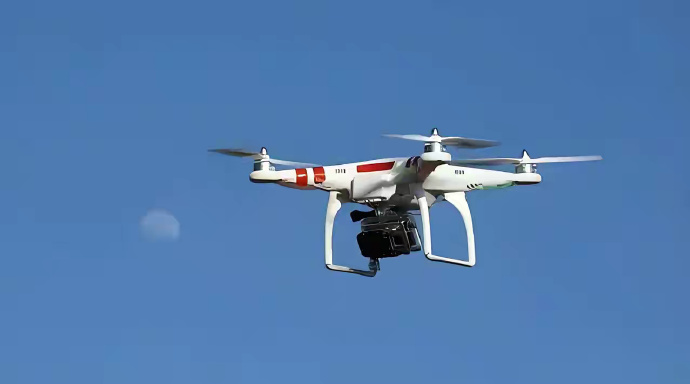
The topography of the landing area should be considered. Flat, grassy areas are ideal because they provide a soft landing surface, reducing the risk of damage. Avoid rocky or uneven terrain that could pose risks to your drone’s health. Accessibility is also important; you should be able to reach your drone easily once landed.
Using Technology for Safe Landings
Modern drones are equipped with various technologies such as GPS and obstacle avoidance systems that assist in safe landings. Leveraging these technologies can help you choose the best locations and ensure precise controls during the descent. Always ensure your drone’s firmware is updated to benefit from the latest landing aids.
Communication and Notification
In areas where people are present, communication is essential. Inform others about your drone operations to prevent unnecessary panic or disturbance. Use apps or websites to notify local authorities if necessary, especially if flying in densely populated regions.
Emergency Protocols
Have an emergency plan in place. If your drone experiences technical difficulties, knowing the nearest safe zones to land is crucial. Inspect your drone before each flight for maintenance issues to minimize such occurrences.
FAQs
Q: Can drones be landed near bodies of water?
A: It is risky to land drones near water due to the potential for moisture damage. Seek alternate dry locations.
Q: Is it necessary to have insurance for drone landings?
A: While not mandatory, insurance can provide coverage for accidental damage during landings.
Q: Are there apps to help find safe landing sites?
A: Yes, there are apps available that can suggest nearby drone-friendly zones based on your location.
Choosing the right location to down your drone safely involves considering the environment, regulations, terrain, and utilizing modern technology. By preparing and planning ahead, drone operators can ensure a stress-free and safe landing experience.