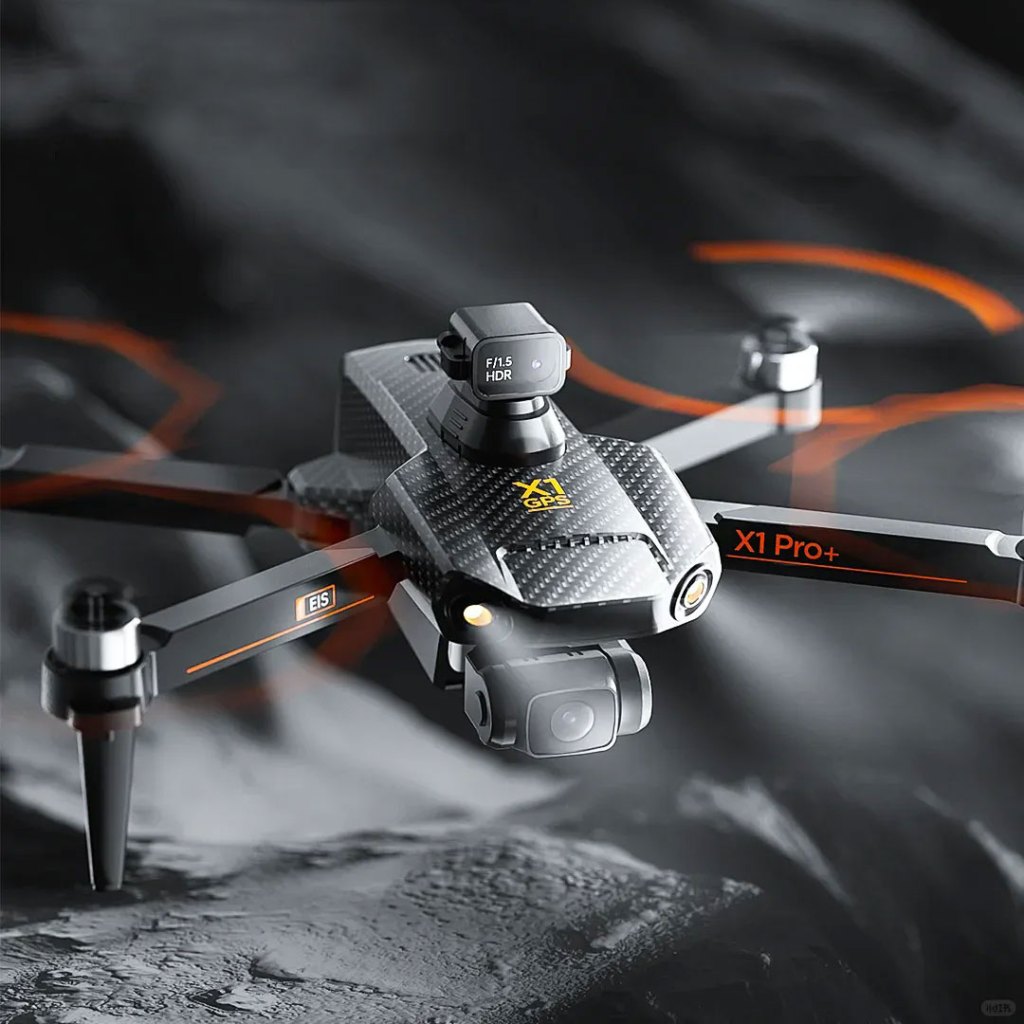
FPV drones, or First Person View drones, have completely transformed the drone experience as we know it. Understanding what is a FPV drone opens up a world of exhilarating possibilities ranging from racing to exploration. At its core, an FPV drone is equipped with a camera that transmits real-time video to the pilot’s goggles, giving the sensation of actually being in the drone, soaring through the skies. This immersive experience has led to FPV drones becoming a popular tool in both professional and recreational settings.
This technology is not just about flying but also about the personalization and skills it demands from its users. Many pilots in the FPV community assemble their drones from scratch, tailoring every component to enhance their flying style, whether it’s for speed, agility, or aerial photography. Customization in the world of FPV drones spans from choosing specific motors for faster races to cameras with better resolution for capturing stunning visuals.
The Rise of FPV Drone Racing
FPV drone racing has emerged as a thrilling sport, capturing the interest of technology enthusiasts and adrenaline junkies alike. Races often take place in dynamic settings, such as abandoned warehouses, dense forests, or custom-built racing tracks full of challenging obstacles. The competitors, wearing FPV goggles, maneuver their drones around the course at breathtaking speeds, often exceeding 60 mph. This competitive arena has also paved the way for significant advancements in drone technology, pushing manufacturers to develop faster and more efficient models.
Exploration and Cinematography
Beyond racing, FPV drones have opened new frontiers for exploration and cinematography. Their agility and ability to navigate through tight spaces allow filmmakers and explorers to capture perspectives that traditional drones can’t achieve. This has led to FPV drones being used in documentaries, real estate promotions, and even live broadcasting of events, offering viewers an immersive experience from previously inaccessible viewpoints.
Key Components of an FPV Drone
Understanding what makes an FPV drone unique can deepen your appreciation for these remarkable machines. Some critical components include:
- Camera: The choice of camera can vastly influence the quality of the FPV feed, with some pilots opting for high frame rates for smoother video transmission.
- Goggles: FPV goggles are essential for providing the pilot with real-time video feed from the drone’s camera, effectively making the pilot the drone.
- Transmitter and Receiver:
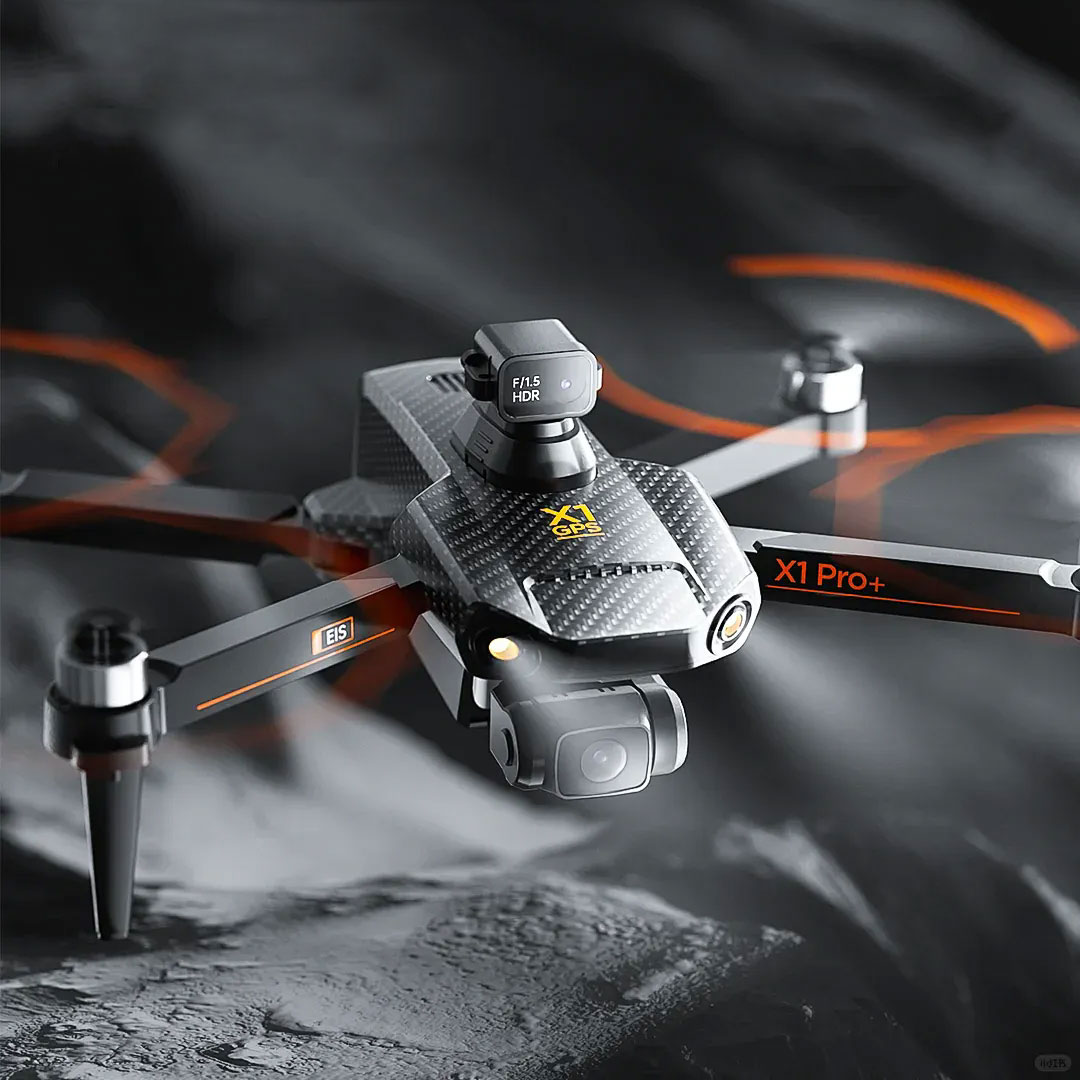 This pair is crucial for maintaining a robust connection between the drone and the pilot’s controls, ensuring responsive handling even at great distances.
Challenges and Skills
Flying FPV drones is not without its challenges. It demands a high degree of precision and skill, as pilots must navigate obstacles and adjust to varying flying conditions quickly. Many hobbyists spend countless hours practicing in simulators before heading out into the field. Moreover, repairing and maintaining these drones require a mechanical prowess that enthusiasts often learn along the way.
The Future of FPV Drones
As technology continues to evolve, the future of FPV drones looks promising. Innovations in battery life, AI integration, and camera technologies are expected to enhance user experience and expand applications even further. Industries like agriculture, security, and delivery are beginning to explore the advantages that FPV drones can offer in terms of efficiency and data collection.
Conclusion
Whether you’re a complete beginner or an experienced pilot, the diverse range of applications and experiences offered by FPV drones is truly captivating. From the heart-pounding rush of racing to the serene beauty captured through exploration and cinematography, FPV drones offer a unique and engaging way to interact with the skies.
FAQs
What should I consider before buying my first FPV drone?
Consider your purpose, whether it’s racing, photography, or exploration. Research different models based on your budget and skill level. A starter drone with good durability is often recommended for beginners.
Can FPV drones be used for commercial purposes?
Yes, FPV drones are increasingly being used for various commercial applications such as real estate, film production, and more. Ensure compliance with your area’s regulations regarding drone use.
How do I improve my FPV drone flying skills?
Practice is key. Use simulators designed for FPV racing, join local drone clubs, and participate in community forums for advice and tips from experienced pilots.