
In recent years, drones have become a popular tool for both recreational and professional use. Whether you’re a hobbyist capturing breathtaking aerial footage or a professional utilizing drones for business purposes, understanding the significance of a reliable and efficient drone battery is crucial to maximizing flight time.
Understanding Drone Battery Basics
At the heart of every drone’s performance lies the quality of its power source. The type, capacity, and quality of a drone battery can dramatically affect how long your drone can remain airborne. Let’s delve into the essentials that will help you make informed decisions when choosing a battery.
Different drone models require different battery specifications, making it essential to be aware of your drone’s specific battery needs. Generally, drone batteries are rechargeable lithium-polymer (LiPo) batteries, known for their high energy density and compact size. These characteristics provide a longer flight duration compared to other battery types.
Selecting the Right Battery Capacity
Factors to consider when selecting a drone battery include capacity measured in milliamp hours (mAh) and voltage. Higher capacity batteries, like those with 5000mAh to 10000mAh, usually offer longer flight times, allowing you to capture more footage or complete tasks efficiently. It’s important to balance capacity with weight, as a heavier battery can limit maneuverability and reduce flight time.
Optimal Voltage for Performance
The voltage of a drone battery plays a significant role in the motor’s efficiency. Higher voltage batteries can offer more power, which can enhance the drone’s speed and responsiveness. However, it’s vital to ensure compatibility with your drone model to prevent any damage.
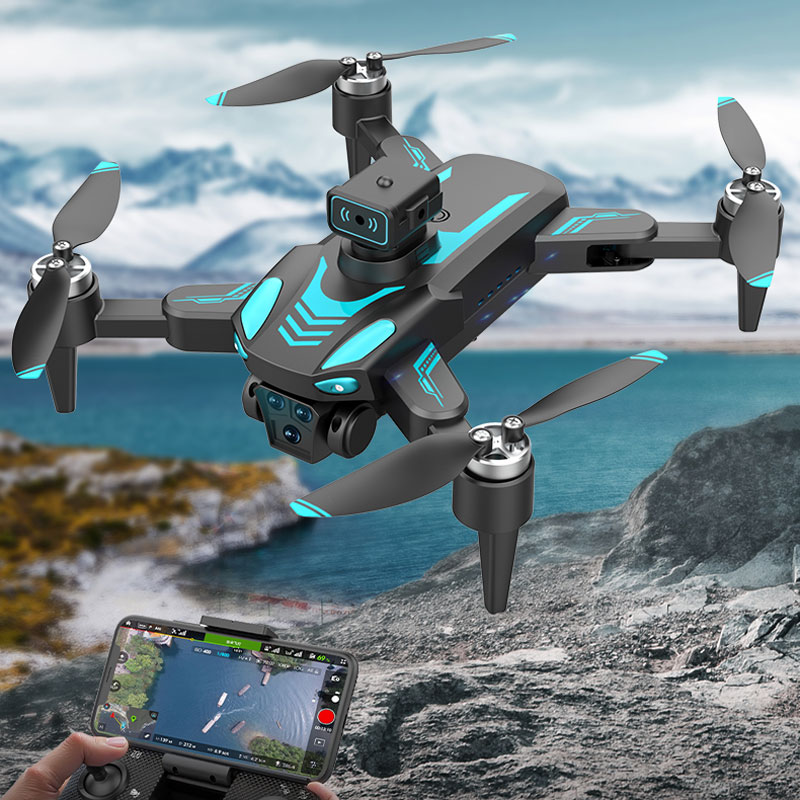
Enhancing Your Drone Battery Lifetime
Maintenance and proper handling of drone batteries are imperative for prolonging their lifespan. Avoid overcharging or completely discharging them, which can lead to reduced efficiency over time. Store batteries in a cool, dry place when not in use to prevent degradation.
Using balance chargers specifically designed for drone batteries can ensure that cells are evenly charged, enhancing battery performance and life. Regularly check for any signs of swelling or damage, and replace batteries when necessary to avoid potential hazards.
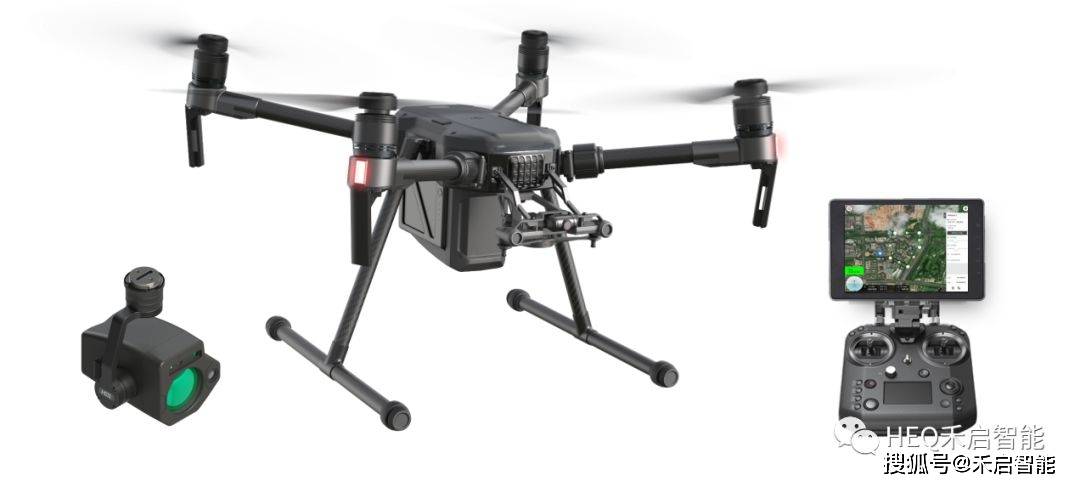
Tips for Extending Flight Time
- Minimize weight by removing unnecessary accessories.
- Optimize flight paths to conserve battery power.
- Practice efficient flying techniques, like gentle accelerations.
- Regular maintenance checks on propellers and motors can reduce energy strain.
Drone Battery Innovations
With technology advancing rapidly, innovative drone battery solutions are continuously emerging. New battery materials, such as graphene, are being explored for their potential to offer higher capacities and faster charging times.
Additionally, manufacturers are creating smart batteries integrated with advanced monitoring systems to display real-time battery status, making it easier for users to manage power consumption effectively.
Frequently Asked Questions
What battery capacity is best for my drone?
The ideal capacity depends on your drone model and intended use. Larger capacity batteries (5000mAh to 10000mAh) are suitable for extended flight times but may increase weight.
How can I improve my drone’s flight duration?
Maximize flight time by selecting high-quality batteries, reducing unnecessary weight, and practicing efficient flight techniques.
Is it safe to use aftermarket drone batteries?
While aftermarket batteries can be cost-effective, ensure compatibility and quality assurance to prevent damage to your drone.