
The Connection Between Drones and Elephants
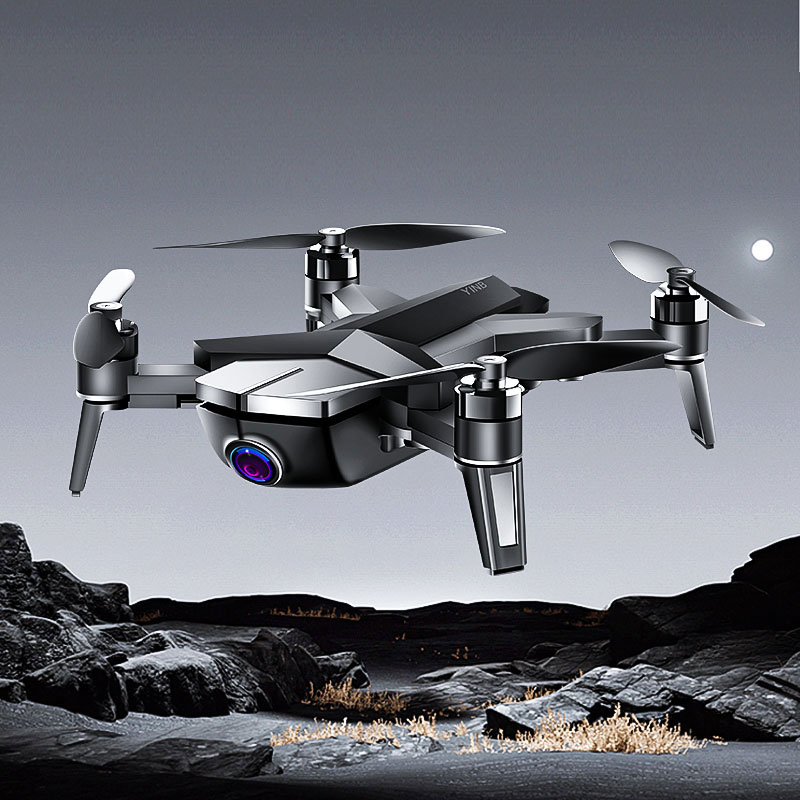
In recent years, drones have revolutionized the way we interact with wildlife, providing unparalleled opportunities to observe and study elephants without disturbing their natural behaviors. These unmanned aerial vehicles are proving indispensable in conservation efforts, offering a bird’s-eye view to researchers and enthusiasts alike.
Exponential technology advancements have made drones affordable and accessible, leading to increased usage in various wildlife sanctuaries across the globe. For elephants, which are often found in remote areas, drones become vital in gathering data, understanding migration patterns, and even safeguarding them from potential threats like poaching.
Aerial Surveillance and Protection
The safety of elephants has always been a concern. With drones, conservationists can monitor vast areas efficiently, using the drones’ ability to quickly survey landscapes to detect any unusual activities such as illegal logging or hunting. Drones equipped with thermal cameras can easily spot the heat signatures of elephants, even through dense forest cover, making them a critical tool in ensuring the pachyderm’s safety.
For instance, in Africa and Asia, where elephant populations are under constant threat, drone technology has become a pivotal resource. Real-time images and videos transmitted by drones allow rapid response teams to tackle threats more effectively.
Data Collection and Research
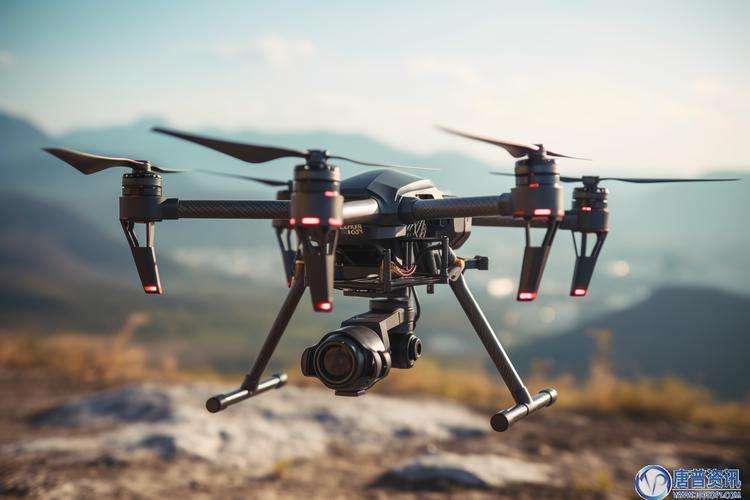
One of the most fascinating aspects of using drones with elephants is the ability to collect data over extended periods without human interference. Researchers can gather information about herd sizes, movements, and behaviors efficiently. This continuous monitoring is invaluable, as it allows scientists to predict and analyze trends that can lead to informed conservation strategies.
In the complex ecosystems where elephants thrive, understanding their interaction with the environment is crucial. Drones aid in observing these interactions from perspectives that were once impossible, providing insights that are shaping our understanding of wildlife ecology.
Innovative Uses in Conservation
Beyond mere observation, drones are increasingly used to implement proactive conservation measures. For instance, they are used to plant trees in degraded areas that are essential for elephants’ habitats. The speed and efficiency of drones ensure that more trees can be planted in a shorter time span than traditional methods.
Community and Ecological Impact
The integration of drone technology is not only beneficial for elephants but also impacts the communities surrounding these majestic creatures. By reducing human-wildlife conflicts through real-time monitoring and data sharing, drones help create harmony between humans and nature.
Additionally, drones contribute to ecotourism by allowing visitors to experience the grandeur of elephants without disturbing their environment. This fosters a better understanding and appreciation of these gentle giants while promoting sustainable tourism practices.
FAQs
- How do drones impact elephant behavior? Drones, when used responsibly, minimally impact elephant behavior. They are typically operated at safe altitudes, ensuring that the animals are not disturbed.
- Can drones prevent poaching? Yes, drones play a significant role in preventing poaching by offering surveillance capabilities in real-time, allowing authorities to respond to threats swiftly.
- Are drone operations environmentally friendly? Typically, drones are environmentally friendly as they have minimal noise levels and produce no emissions, making them suitable for observing wildlife in natural settings.