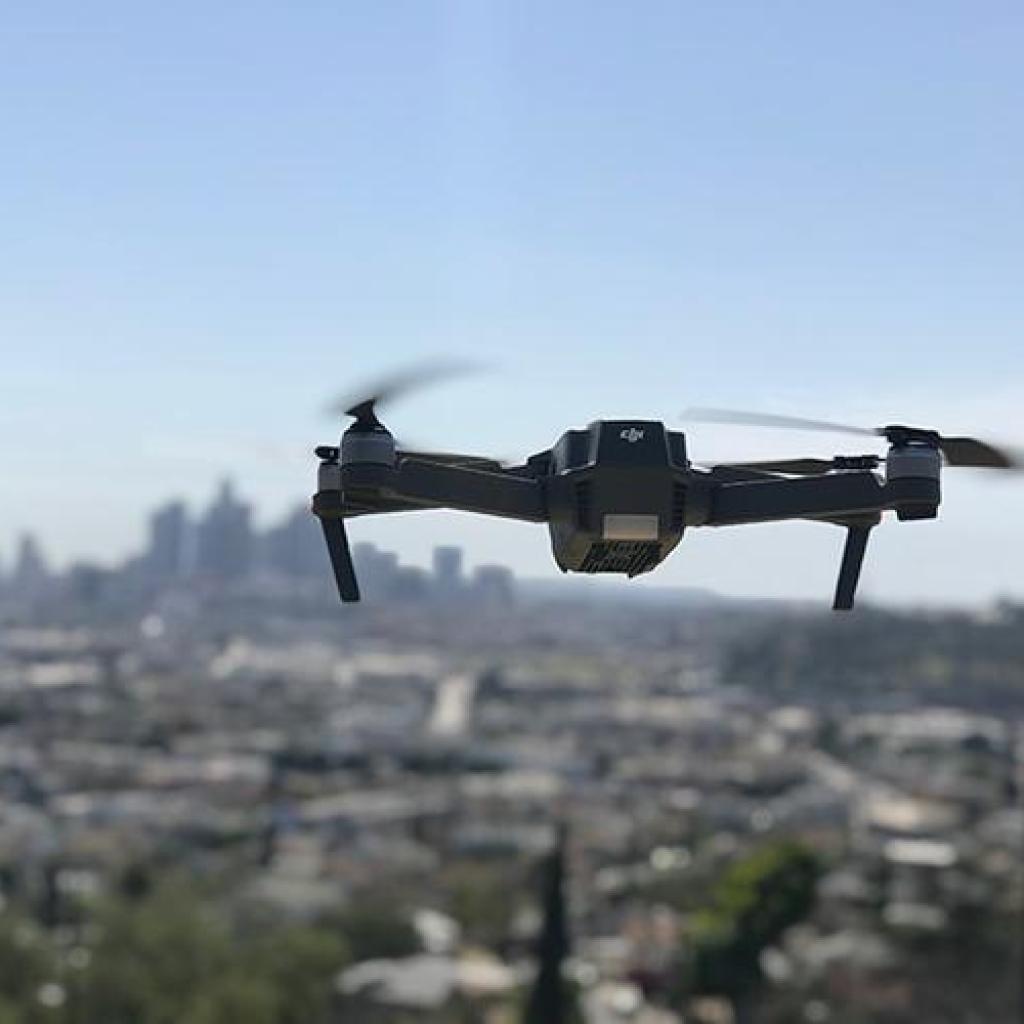
Unmanned aerial drones, also known as UAVs, are transforming the way industries operate and innovate. As technology continues to advance, these aerial platforms have proven invaluable for surveillance, delivery, photography, and data collection across many sectors. In this article, we delve into the unique capabilities and applications of unmanned aerial drones and explore how they are shaping the future of various industries.
Key Features of Unmanned Aerial Drones
Unmanned aerial drones are equipped with cutting-edge features that make them adaptable for a variety of missions. Most drones boast GPS systems, high-definition cameras, and sophisticated software for route planning and obstacle detection. The inclusion of AI technology enhances their ability to perform tasks autonomously, reducing the need for human intervention.
Another feature that sets drones apart is their ability to reach areas inaccessible to humans. Whether used to survey disaster-stricken regions or monitor wildlife in hostile environments, these devices excel in challenging conditions. This level of versatility is critical for industries that aim to push the boundaries of efficiency and innovation.
The Rise of Drone Applications Across Industries
In agriculture, drones have revolutionized crop monitoring. Farmers can use UAVs to gather real-time data on crop health, irrigation systems, and pest activities. This technology ensures that farming resources are utilized optimally, leading to increased yields and reduced costs. Additionally, drones help reduce environmental impact by pinpointing areas needing attention without extensive fieldwork.
The construction industry has also benefited immensely. Companies deploy drones for on-site inspections, mapping, and project monitoring. Remote surveys from drones not only save time but also significantly improve safety by reducing the need for workers to access hazardous locations.
Innovative Use in Drone Delivery Services
Drone delivery services are pushing the envelope in logistics. Companies such as Amazon and DHL are leveraging UAVs to deliver packages efficiently and securely. By bypassing traditional transportation routes, these drones can cut delivery times and minimize CO2 emissions, addressing critical sustainability concerns.
Moreover, the healthcare industry employs drones to deliver medical supplies, including vaccines and emergency kits, to remote and underserved areas. During natural disasters, UAVs can navigate disrupted infrastructures, delivering life-saving resources where they are most needed.
Surveillance and Data Collection
From security firms to environmental agencies, aerial drones play a pivotal role in monitoring vast areas with unmatched efficiency. Security companies use drones for real-time surveillance, allowing instant detection of unauthorized activities. They not only provide video footage but also integrate systems like facial recognition for enhanced identification.
In environmental management, drones aid in observing ecosystems and tracking changes, such as deforestation or glacier melting, over time. Their ability to collect comprehensive data enables policymakers and researchers to craft solutions backed by precise information.
Challenges Facing Drone Implementation
Despite their myriad benefits, drones face challenges such as regulatory restrictions, privacy concerns, and technical limitations. Governments worldwide are still adapting laws to regulate drone usage while ensuring airspace safety. Privacy advocates highlight that drones equipped with cameras could lead to misuse, making it essential for agencies to employ guidelines.
Additionally, factors like battery limitations, signal interference, and susceptibility to weather conditions continue to hinder drone operations in some scenarios. Addressing these bottlenecks will be vital for widespread adoption across industries.
The Future of Drone Technology
The evolution of unmanned aerial drones shows no sign of slowing down. With advancements in AI and machine learning, drones are expected to become even smarter and more capable. Innovations may include extended flight durations, smarter autonomy, and enhanced load capacities, forging new frontiers for industries worldwide.
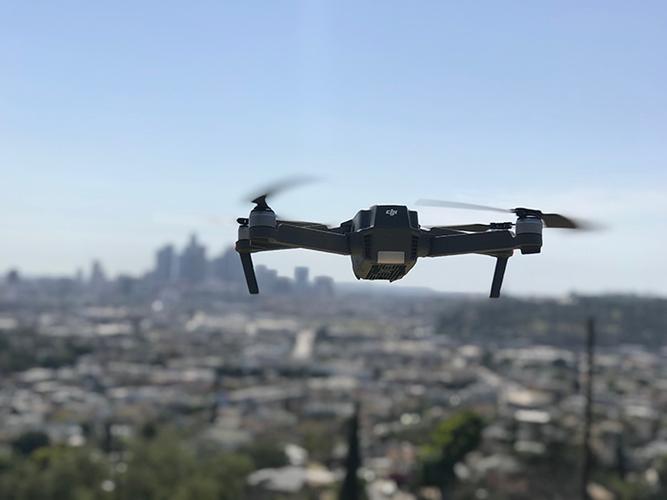
As technologies like blockchain get integrated, drones could also revolutionize secure transactions in delivery systems, allowing real-time tracking and tamper-proof dealings. Whether in logistics, emergency response, or research, the applications will continue to multiply, making drones indispensable in our modern world.
FAQ Section
Q: Are drones safe to use in populated areas?
A: Yes, provided relevant regulations are adhered to and safety measures are taken. Safety features such as obstacle detection and geofencing ensure drones operate without risking harm to people.
Q: How do drones help reduce environmental impact?
A: By optimizing resource use in industries like agriculture and logistics, drones minimize waste, reduce emissions, and avoid unnecessary fieldwork, making operations more sustainable.
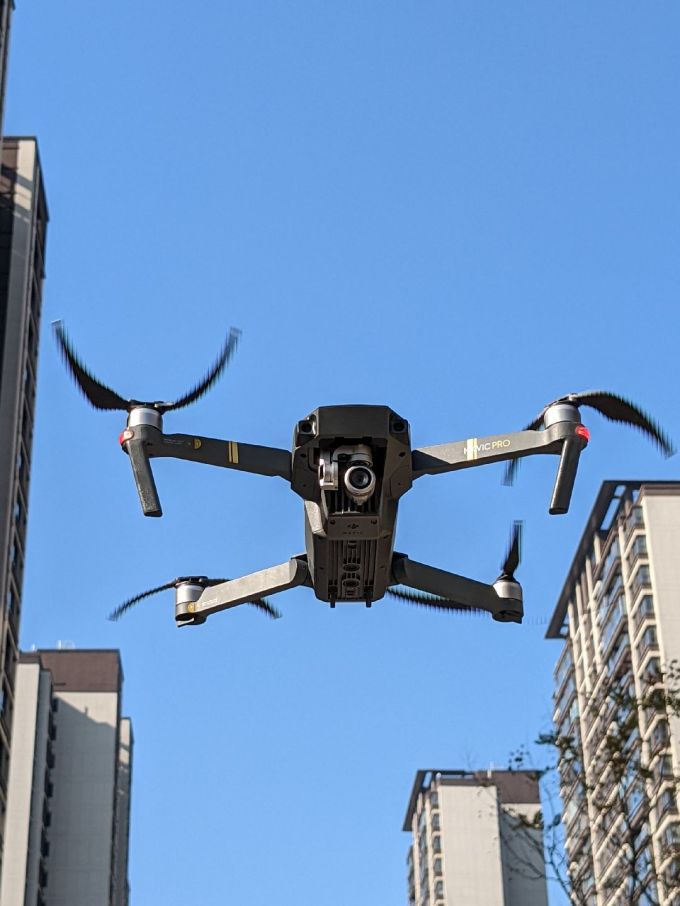
Q: Can drones operate in harsh weather conditions?
A: While drones are equipped to handle moderate weather conditions, extreme weather such as high winds or heavy rain can impact their efficiency. Continuous technological advancements aim to address this limitation.