
Small drones with cameras have revolutionized photography and videography, providing enthusiasts and professionals with unique viewpoints that were once inaccessible. In this guide, we’ll delve into the top features to consider when buying one. Whether you’re a hobbyist or a pro, understanding these features will help you select the best small drone for your needs.
1. Camera Quality
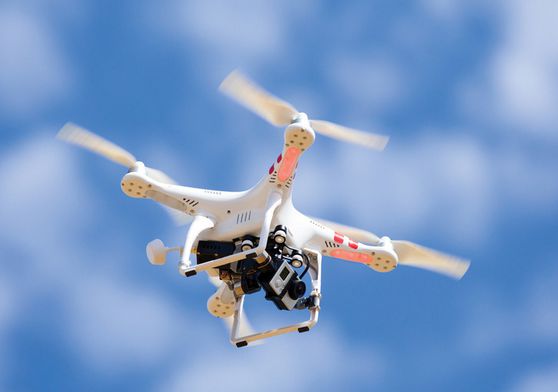
The heart of any drone used for capturing stunning visuals lies in its camera quality. Look for drones that offer at least 1080p resolution or higher for video recording. Some advanced models even support 4K footage, which is ideal for professional work. Ensure it provides a good frame rate (30fps or higher) for smooth videos. Additionally, pay attention to whether the camera has stabilization features like a gimbal or electronic image stabilization, ensuring stable and clear shots.
2. Portability and Size
One of the biggest advantages of small drones with cameras is their portability. Models like the DJI Mini series or Ruko F11 Pro are compact and lightweight, making them easy to carry to remote locations. Foldable designs further enhance their portability, fitting snugly into backpacks for travel enthusiasts.
3. Flying Time
Battery life is a critical feature for any drone. Most small drones have flight times ranging from 10 to 30 minutes. Opt for one with an extended battery life or the option to swap out batteries, enabling longer shooting sessions.
4. Range and Control
It’s essential to check the range a drone can cover while remaining in control. Some small drones offer ranges of up to 4 miles, while others are more limited at below 1 mile. High-quality controllers or app-based systems for smartphones greatly enhance usability. For beginners, intuitive controls ensure a smooth learning curve.
5. GPS functionality
If you’re using small drones for mapping or tracking, GPS is a must-have feature. This tool ensures precise positioning, enabling functions like waypoint navigation, return-to-home (RTH), and even follow-me modes for dynamic filming.
6. Stability and Wind Resistance
Considering their smaller size, these drones are often susceptible to wind. Choosing a drone with strong stability features and high wind resistance ensures more reliable and consistent footage, even in challenging conditions.
7. Autonomous Features
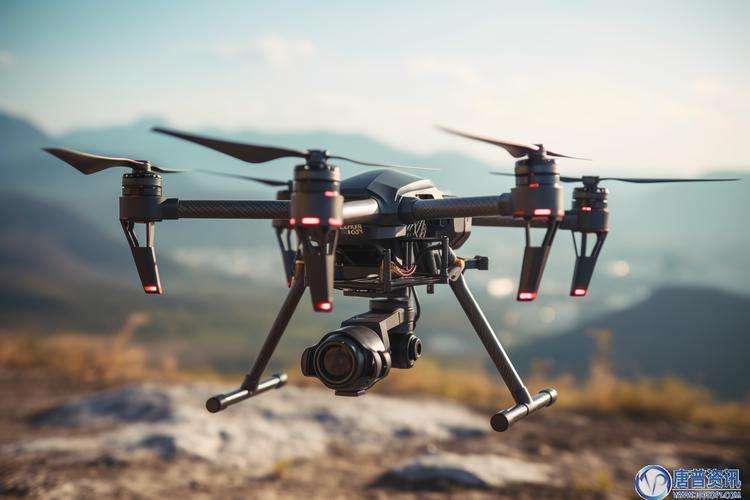
Small drones equipped with intelligent functions like obstacle detection, object tracking, and pre-set cinematic modes can significantly improve the user experience. These features make it easier for beginners to shoot professional-grade footage.
8. Price Range and Value
Affordability is key when deciding on the right small drone with a camera. Entry-level drones start below $200, while more advanced models may go beyond $500. Balancing the features you need with your budget will ensure you make a cost-effective choice.
9. Maintenance and Accessories
Regular maintenance ensures the longevity of your drone. Look for brands that offer easy-to-find spare parts, extra propellers, and additional batteries. Accessories like carrying cases and ND filters for improving video quality are also crucial additions.
10. Legal Compliance
Don’t overlook local regulations when flying drones. Many countries require registration for drones above a certain weight or mandate specific flight restrictions. Ensuring your small drone complies with these rules will save you from potential fines or legal issues.
FAQs About Small Drones with Cameras
Q: What is the average flight range of small drones with cameras? A: Most small drones offer a flight range between 1 to 4 miles, depending on the model and specifications.
Q: Can small drones capture high-quality night footage? A: Yes, some small drones come with advanced image sensors that support enhanced low-light performance, though results vary based on the model.
Q: Are there non-GPS models worth considering? A: While GPS-enabled drones are preferred, non-GPS models can still be practical for indoor flights or controlled environments where navigation features aren’t essential.