
Drones have revolutionized the way we capture aerial footage, conduct inspections, and carry out mapping projects. To operate drones commercially in the United States, obtaining a Part 107 certification from the Federal Aviation Administration (FAA) is essential. This comprehensive guide will take you through the process of mastering the Part 107 certification, ensuring that you have all the knowledge needed to soar above the rest.
Understanding Part 107 Certification
The Part 107 certification allows drone pilots to understand the intricacies of flying unmanned aerial vehicles (UAVs) legally. Whether you’re using drones for photography, surveying, or other commercial purposes, the certification not only makes you a responsible pilot but also opens up new opportunities for business and professional growth.
Eligibility Criteria for Part 107
To apply for Part 107 certification, candidates must be at least 16 years old and possess a physical and mental condition fit to fly a drone. Moreover, a sound understanding of English is required, as the exam and all official documentation are conducted in English. These basic criteria ensure that the pilot is capable of handling the responsibilities that come with operating a drone professionally.
The Part 107 Exam
The certification process includes passing the Aeronautical Knowledge Test, commonly known as the Part 107 exam. This test covers various topics, including:
- Airspace classification and flight restrictions
- Weather patterns and their impact on drone flight
- Understanding drone operations and safety measures
- Federal regulations and drone-specific laws
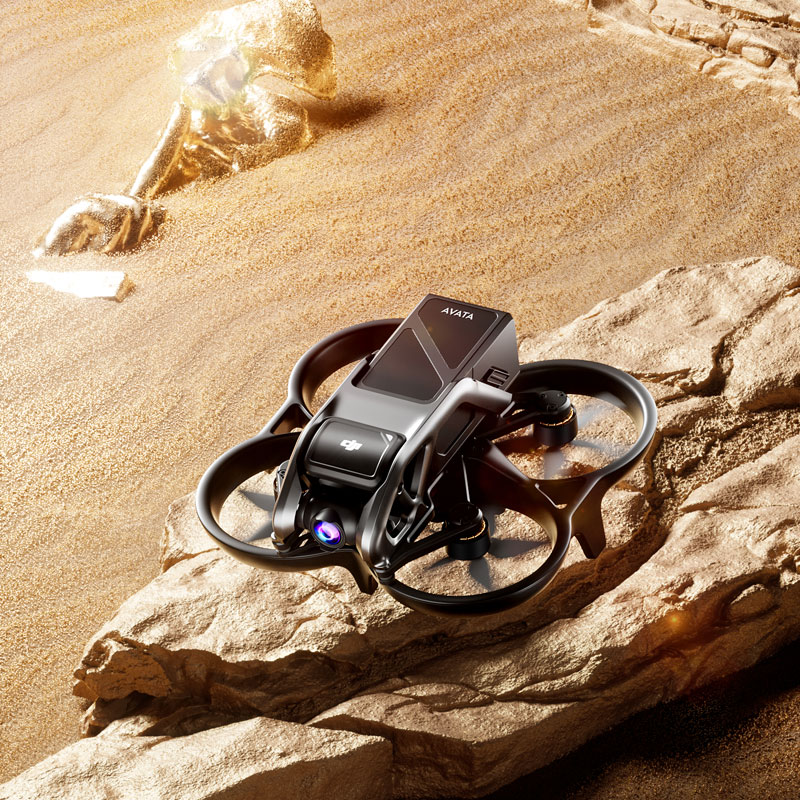
Preparation is key to succeeding in the exam. Numerous online resources and courses are available to help candidates prepare effectively. Additionally, practice tests can provide insights into the type of questions that may appear on the exam.
How to Apply for the Part 107 Certification
Once you’re ready, you’ll need to create an Integrated Airman Certification and Rating Application (IACRA) account. After your account is set up, schedule your Aeronautical Knowledge Test at an FAA-approved testing center. Upon passing the exam, you’ll receive a remote pilot certificate, which is valid for two years and can be renewed subsequently.
Maintaining Your Certification
It is crucial to keep your Part 107 certification up-to-date. Every two years, pilots are required to pass a recurrent knowledge test to ensure they remain informed about the latest drone laws and airspace regulations. Additionally, continuous education and training are encouraged to keep pace with technological advancements in drone technology.
Advancing Your Drone Career
Obtaining the Part 107 certification is just the beginning. An official certification can pave the way for numerous opportunities, ranging from becoming a freelance drone operator to working in a specialized field like agriculture or construction. The demand for skilled drone operators is on the rise, providing limitless possibilities for qualified individuals.
Networking and Skill Development
Connecting with other certified drone pilots through online forums and local events can enhance your career prospects. Sharing experiences, insights, and updates on regulatory changes is beneficial for staying ahead in this dynamic field. Additionally, expanding your skill set by enrolling in advanced drone technology courses can help you stand out in a competitive industry.
FAQs
What happens if I fail the Part 107 exam?
You can retake the exam, although a 14-day waiting period is required before rescheduling. Utilize this time to review challenging topics and improve your understanding.
Do I need a license to fly drones recreationally?
No, recreational pilots do not need a Part 107 license, but they must adhere to FAA regulations for hobbyist drone use.
How does Part 107 compare to Part 61 certification?
Part 61 certifications are for those with manned aircraft experience, while Part 107 is specifically tailored for unmanned aerial systems, offering targeted insights and a more straightforward process for drone enthusiasts.