
Drones have revolutionized industries and hobbies alike, offering thrilling perspectives and innovative applications. But for drone enthusiasts and professionals, a pressing question remains: how high can a drone fly? While the answer may seem straightforward, multiple factors, including regulations, technology, and environmental conditions, significantly impact the height a drone can achieve. Let’s delve deeper into this fascinating topic to uncover its intricacies.
Understanding the Basics of Drone Altitude
The height a drone can fly is often influenced by two primary factors: technical limitations of the device itself and the legal regulations set by governing bodies. Commercial and consumer drones generally operate within these constraints. For most consumer-grade drones, such as those from DJI or Autel, the maximum untethered altitude falls between 400 and 500 meters (approximately 1,300 to 1,640 feet). Beyond this altitude, both safety and legal issues come into play.
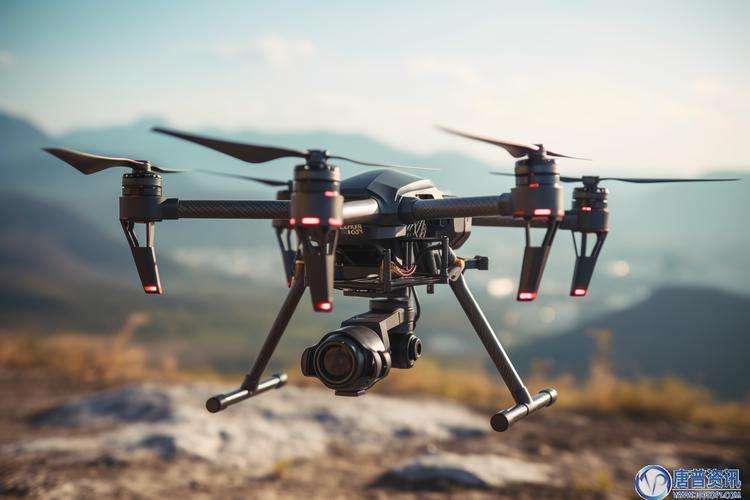
FAA Regulations: A Key Determinant
In the United States, the Federal Aviation Administration (FAA) mandates that drones cannot fly higher than 400 feet above ground level, unless they are within 400 feet of a structure and have appropriate permissions to exceed that altitude. This rule aims to prevent conflicts with manned aircraft, which typically operate at higher altitudes.
Similarly, other countries impose their own altitude limits for drones. For example, the European Union’s EASA regulations often align closely with the FAA, emphasizing safety and the need for pilots to maintain visual line-of-sight (VLOS) with their drones.
It is crucial for drone operators to familiarize themselves with local aviation laws to avoid fines or penalties.
Technological Factors: How High Can Drones Physically Go?
While regulations cap operational heights, the technical capabilities of drones may extend beyond legal limits. High-performance drones outfitted with long-range transmitters and advanced propulsion systems can theoretically soar to altitudes upwards of several thousand meters. However, achieving such heights comes with significant challenges.
- Air density sharply decreases with altitude, reducing the efficiency of drone rotors and motors.
- Decreased temperatures at higher altitudes could harm battery life or electronics.
- Communication with the drone’s remote controller becomes increasingly unstable.
For instance, record-breaking experimental drones or military-grade models can easily surpass the operational limits of consumer drones. Some professional-grade drones engineered for scientific research or atmospheric exploration have even reached heights of 10,000 meters (32,800 feet), although this is far beyond what the average hobbyist would achieve.
Specialized Use Cases and Their Exceptions
In certain exceptional circumstances, drones are permitted to fly at greater altitudes. For instance, high-altitude UAVs are used for weather monitoring, surveillance, and data collection. These drones, often equipped with advanced GPS systems and high-capacity batteries, have unique safety measures to prevent them from interfering with air traffic.
Tips for Safe and Legal Drone Operation
For aspiring and experienced drone pilots alike, adhering to regulations and understanding technological limitations is essential. Here are some best practices for ensuring safe operations:
- Always consult local drone laws and adhere to regulated altitude limits.
- Perform routine checks to ensure your drone is in optimal condition.
- Invest in drones equipped with software that alerts pilots when approaching restricted altitudes.
- Maintain VLOS whenever possible to enhance situational awareness.
By following these guidelines, drone operators can avoid legal troubles and enjoy a safe flying experience.
FAQs: Common Questions About Drone Altitude Limits
- What happens if you exceed the legal altitude limit with a drone?
- Exceeding legal altitude limits can lead to fines, equipment confiscation, or even criminal charges in severe cases. Additionally, it poses a significant risk to nearby aircraft.
- Can all drones fly to their technical maximum height?
- No, not all drones can reach their technical maximum height because factors like wind resistance, battery life, and payload affect their actual achievable altitude.
- Do weather conditions affect how high a drone can fly?
- Yes, strong winds, high humidity, and extreme temperatures can negatively impact a drone’s performance in high-altitude environments.
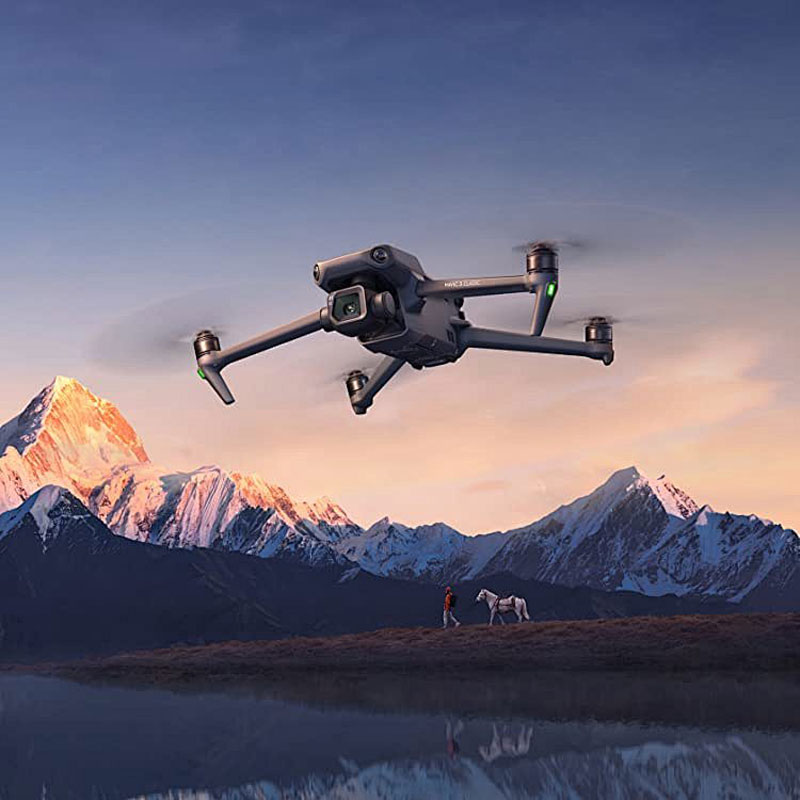
In conclusion, while drones have varying altitude capabilities, responsible operation within legal and technical boundaries is key. By understanding the constraints and potentials of drone flight, pilots can make the most of their aerial adventures while ensuring safety and compliance with the law.