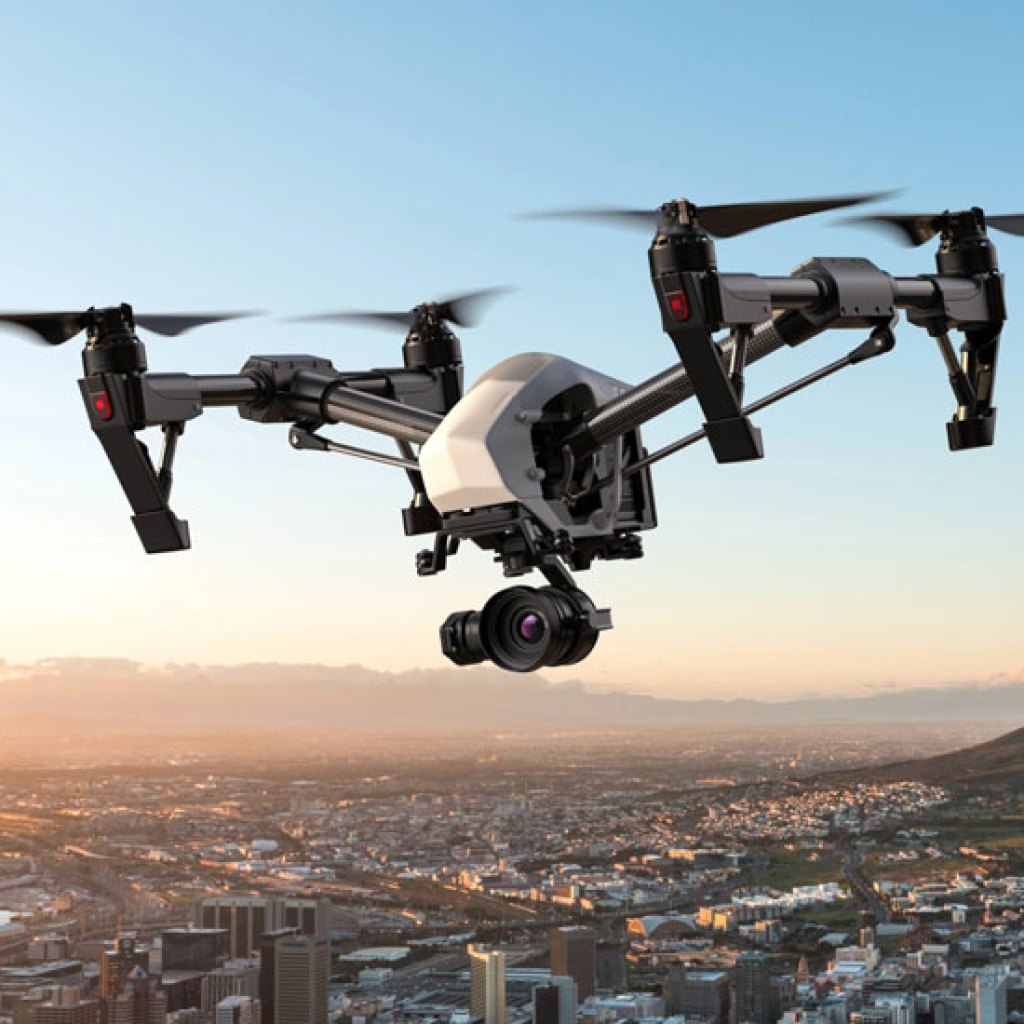
The field of drone piloting has experienced significant growth over recent years, positioning it as a desirable career path for many technology and aviation enthusiasts. Drones are no longer seen as mere toys; they are now integral tools in various sectors like agriculture, construction, real estate, and even entertainment. As the demand for skilled drone pilots increases, understanding what this career entails and how to enter this field becomes crucial for aspiring pilots.
Understanding the Role of a Drone Pilot
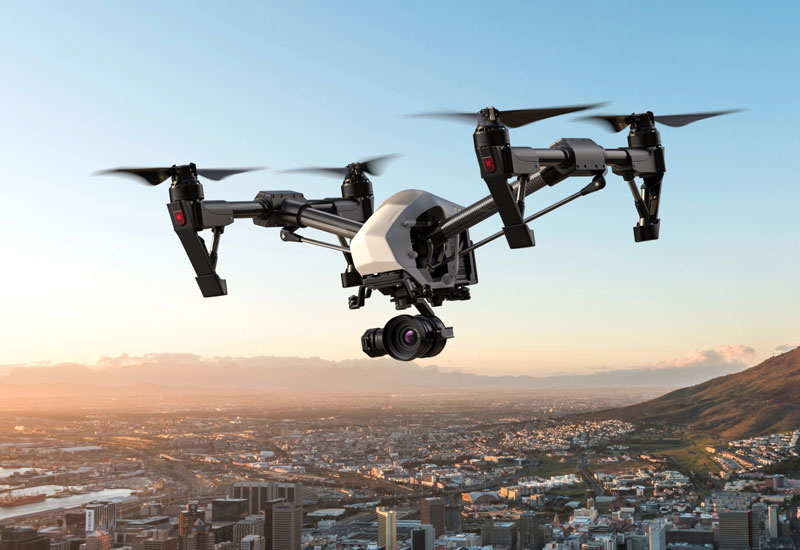
A drone pilot is responsible for operating unmanned aerial vehicles (UAVs) to capture images, collect data, and monitor landscapes. They may work in a range of environments, from open fields to bustling cityscapes. The diversity in applications means that every pilot can find a niche that suits their interest, whether it’s environmental monitoring, cinematography, or delivery services.
The Essential Skills for Drone Pilots
Becoming a proficient drone pilot requires a mix of technical and soft skills. Technically, one must understand the mechanics of drone operation, navigation systems, and aerial regulations. Software skills are also important for managing the recorded data and footage. Soft skills like problem-solving and communication are vital, especially since pilots often work with teams from different sectors.
Educational and Certification Requirements
Aspirants should pursue relevant courses in aviation or robotics, which provide foundational knowledge in electronics and flight dynamics. Certification, such as the FAA Part 107 Remote Pilot Certificate in the United States, is crucial. Such credentials not only legitimize a pilot’s ability to operate drones commercially but also instill confidence in employers or clients. Furthermore, gaining experience through internships or entry-level positions can be immensely beneficial.
Drone Pilot Career Opportunities
- Agriculture: Utilize drones for crop monitoring, irrigation management, and assessing plant health.
- Construction: Involved in surveying sites, inspecting infrastructure, and project progress monitoring.
- Film and Television: Capture unique angles and dynamic footage without the constraints of traditional camera systems.
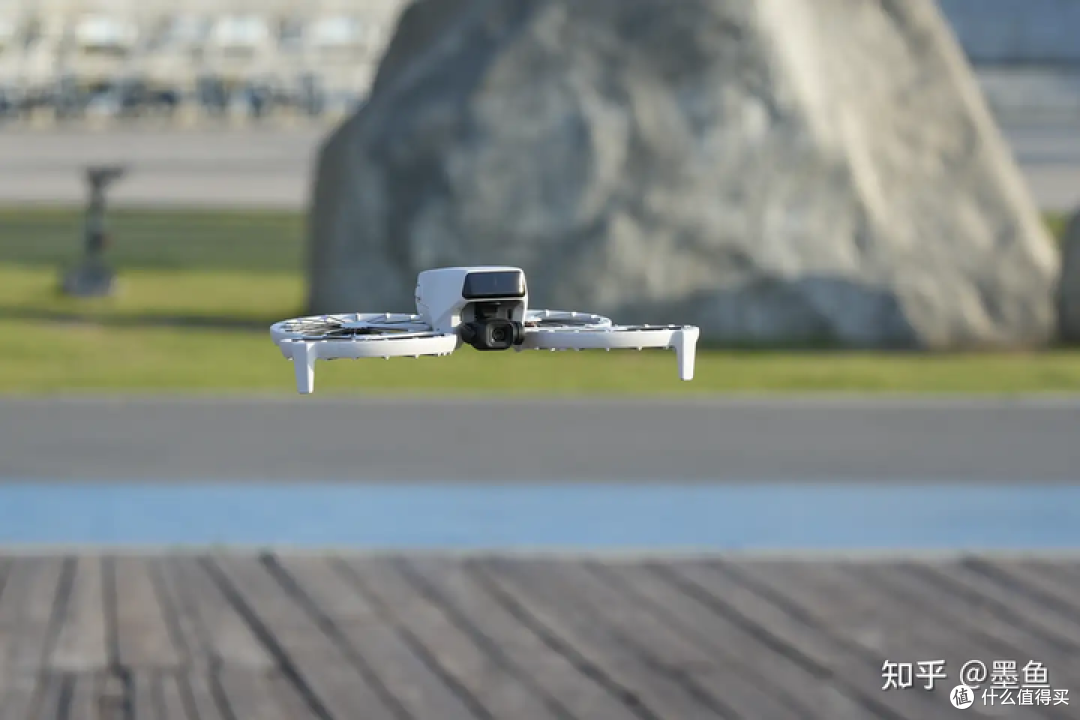
Beyond these, drone technology is opening avenues in sectors like insurance, wildlife conservation, and logistics, making this a future-proof career choice.
Future of Drone Pilots
With advancements in technology and the expansion of drone applications, the future for drone pilots appears promising. Innovations such as AI integration with drones suggest even greater efficiencies and roles. Furthermore, as regulatory landscapes are catalyzed by technology’s rapid evolution, opportunities for specialized roles will grow.
Challenges in the Drone Pilot Career
Despite the growth and opportunity, challenges exist. Regulatory restrictions can limit where and how drones operate. Drone pilots must stay updated with current laws to ensure compliance. Additionally, technological failures or environmental factors like severe weather can pose risks during operations.
FAQs on Drone Pilot Careers
Q: What is the average salary for a drone pilot?
A: Salaries can vary widely depending on the industry and experience level. As of now, commercial drone pilots in the United States can earn anywhere from $50,000 to $100,000 annually.
Q: Are there specific industries that offer more opportunities?
A: Industries like agriculture, real estate, and cinematography are currently the largest employers; however, sectors like logistics and environmental monitoring are rapidly expanding.
Q: What advancements should a drone pilot watch for?
A: Keeping an eye on AI integration, improved battery technologies, and automation could provide strategic insights into future opportunities within the drone flying industry.