
In recent years, the demand for commercial drone use has skyrocketed, leading many aspiring professionals to seek the necessary qualifications to legally operate their drones for business purposes. Obtaining a commercial drone license is a crucial step in this journey, enabling operators to utilize their drones in various industries such as real estate, agriculture, and filmmaking. This article will guide you through the process of acquiring your commercial drone license, explain its importance, and provide tips for successful application.
The first step in obtaining your commercial drone license involves understanding the regulations established by the relevant aviation authority, often the Federal Aviation Administration (FAA) in the United States. Known as the Part 107 certification, this license allows you to operate drones commercially. It’s essential to familiarize yourself with the requirements, which include being at least 16 years old, passing an aeronautical knowledge test, and undergoing vetting by the Transportation Security Administration (TSA).
Preparing for the Aeronautical Knowledge Test
Preparation is key to passing the aeronautical knowledge test required to obtain your commercial drone license. The test covers various topics, including airspace classification, flight restrictions, and weather patterns. Aspiring drone pilots are encouraged to study the official FAA materials and consider enrolling in online courses that specialize in drone piloting and regulation compliance.
A good study plan might also include practice exams, available through various platforms, which simulate the real test environment. This not only helps gauge your readiness but also familiarizes you with the format and types of questions you will encounter.
The Importance of a Commercial Drone License
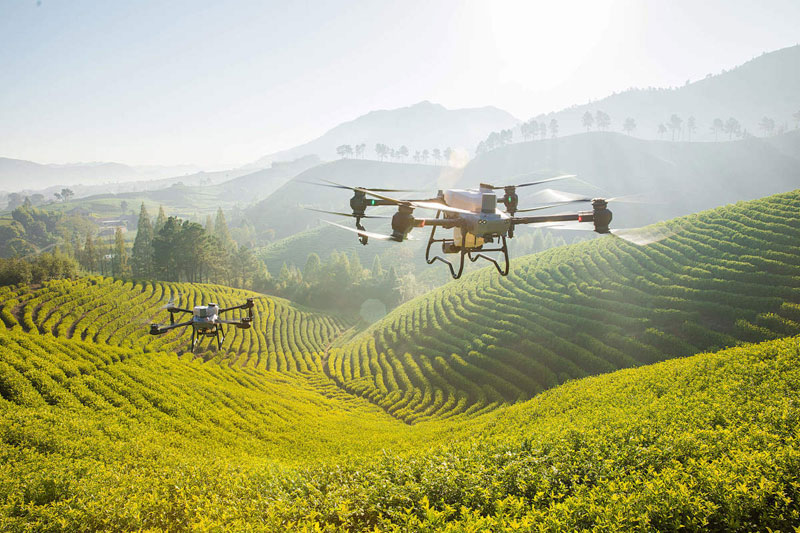
Holding a commercial drone license demonstrates your commitment to safety and professionalism. It opens up numerous opportunities across different sectors, including construction, where drones are used for site inspections, and agriculture, where drone technology assists in crop monitoring. Those with a license are more trusted by clients, as they adhere to strict safety regulations and operational standards.
Tips for Successful Application
Successful applications often result from meticulous preparation and understanding of the testing process. Make sure to gather all necessary documents, including identification and proof of age, ahead of time. Schedule your test at an approved testing center, ensuring you have ample time to familiarize yourself with the testing location.
Once you pass your test, complete the necessary paperwork promptly. The FAA will process your application and provide your commercial drone license within a few weeks. It’s critical to stay updated with ongoing FAA regulations and renew your license as required.
Expanding Your Drone Business
After obtaining your commercial license, consider expanding your drone operations by exploring various niches within the industry. From delivering goods to providing aerial photography services, the possibilities are vast. Staying innovative and continuously upgrading your skills will further enhance your marketability.
FAQ
- Do I need to renew my commercial drone license?
- Yes, the FAA requires drone operators to renew their commercial license every two years to ensure compliance with new regulations and safety standards.
- Can my commercial drone license be used internationally?
- While your license allows operation within the U.S., you must check each country’s guidelines for foreign drone pilots to operate legally.
- What happens if I fail the aeronautical knowledge test?
- If you fail the test, you are allowed to retake it after a waiting period, typically two weeks. Use this time to review your study materials and address any areas where you struggled.