
American drones are increasingly being deployed in military operations, demonstrating how technology enhances tactical advantage. The precision and stealth capabilities of these aerial devices allow for efficient reconnaissance and targeted strikes, minimizing risks to ground personnel. This advancement in military technology has prompted countries worldwide to invest in drone research and development.
Tactical and Strategic Importance of Drones
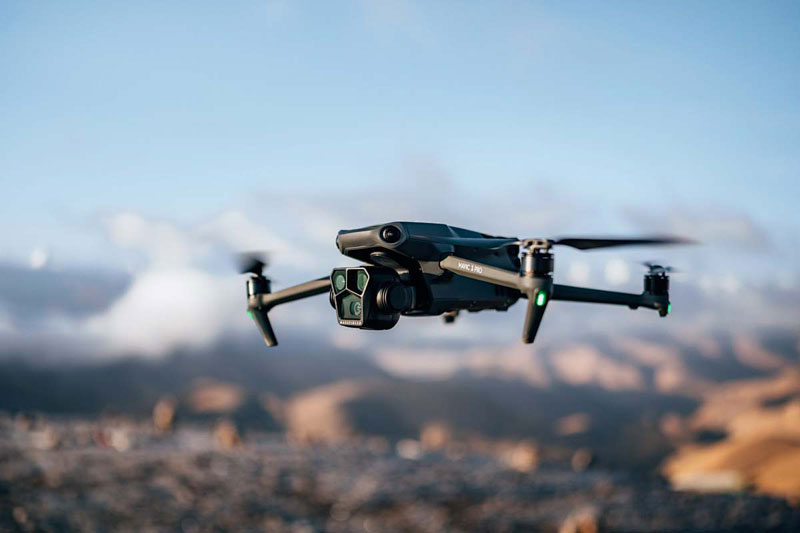
The strategic value of drones is underscored by their ability to gather intelligence in challenging environments. Equipped with high-resolution cameras and sensors, drones can capture detailed images and provide real-time data, enabling military forces to make informed decisions. This capability is crucial during missions in hostile territories where traditional methods of information gathering may pose significant risks.
Commercial Use and Technological Innovations
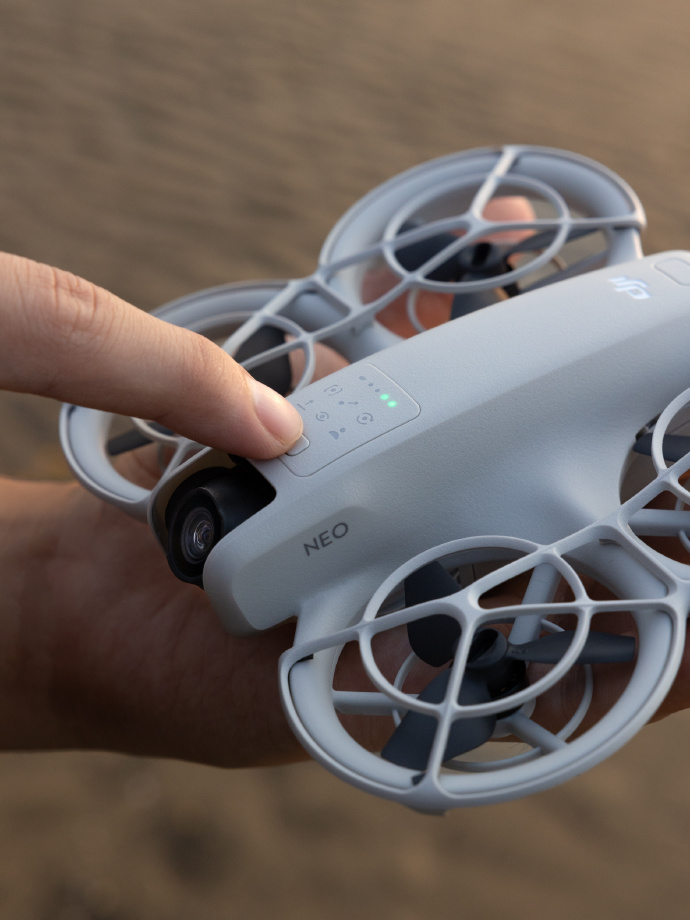
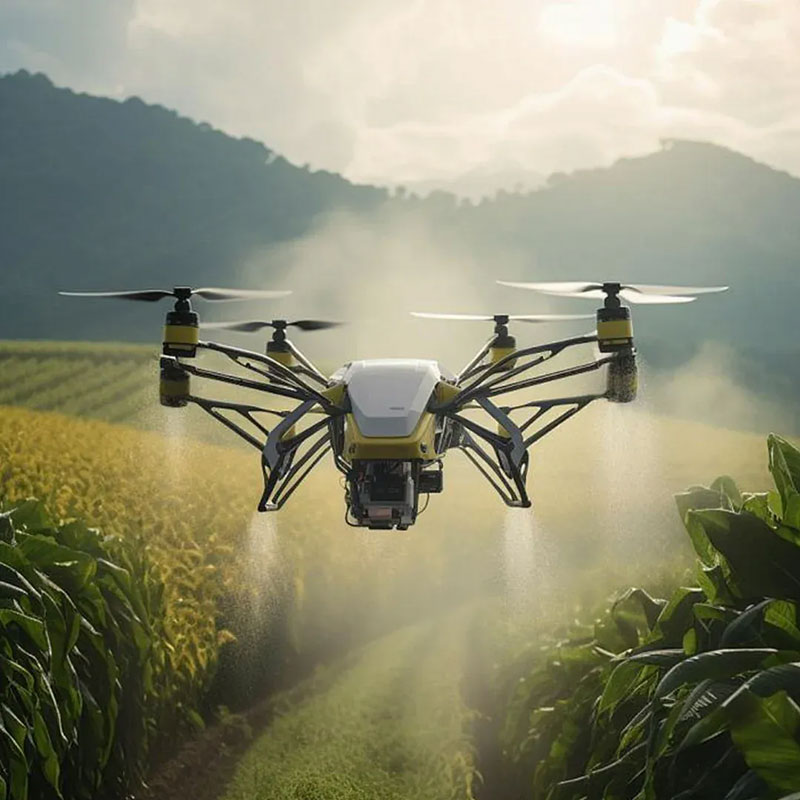
Beyond their military applications, American drones have made significant inroads into the commercial sector. Drones are now employed in agriculture to monitor crop health, optimize irrigation, and assist in precision farming. Companies are utilizing them for aerial photography and cinematography, delivering unparalleled aerial views.
Technological advancements have played a pivotal role in broadening the scope of drone applications. Innovations such as AI-powered navigation systems and enhanced battery life are driving growth and enabling longer, more complex missions. With these advancements, drones are becoming integral to logistics, improving delivery efficiency and reducing operational costs.
The Future of Drone Technology
The future holds exciting prospects for American drones. Continuous research aims at enhancing autonomy, improving AI algorithms, and integrating advanced materials for better performance. The potential for collaboration between human operators and drones is growing, leading to hybrid models where drones complement human efforts in various fields, especially in emergency response.
Addressing Challenges and Ethical Considerations
Despite the benefits, drones pose certain challenges. Privacy concerns arise from their surveillance capabilities, leading to debates over regulatory frameworks to safeguard personal information. Furthermore, ethical discussions persist regarding their use in conflict zones, urging policymakers to establish robust guidelines to manage their deployment responsibly.
FAQ
How do drones benefit industries outside of defense?
The versatility of drones allows them to assist in agriculture, logistics, and media among many other sectors, providing innovative solutions that enhance operational efficiency.
What technological innovations are essential for drone growth?
Advancements in AI navigation, battery life, and computing power are vital in expanding drone capabilities, enabling them to perform more sophisticated tasks effectively.
Are there privacy concerns with drone usage?
Yes, the ability of drones to capture detailed images and data raises privacy issues, necessitating regulations to protect individual rights.