
Latest Advancements in US Drone Technology & Military Applications
US drone technology has witnessed unprecedented growth over the last decade, transforming not only the way military operations are conducted but also influencing global security strategies. The integration of artificial intelligence, advanced sensors, and improved stealth capabilities has been at the forefront of these innovations. Modern drones, or unmanned aerial vehicles (UAVs), enable the US military to execute highly complex missions with enhanced precision, reduced human risk, and broadened operational scope.
One of the most notable developments in US drone technology is the incorporation of real-time machine learning algorithms. These allow drones to autonomously identify threats, track targets, and optimize flight routes. This capability, increasingly powered by sophisticated onboard computers, improves situational awareness and reduces latency in mission-critical environments.
Additionally, the use of low-observable materials and innovative airframe designs has improved drone survivability in contested airspaces. The MQ-9 Reaper and RQ-4 Global Hawk, for example, continue to be enhanced with radar-evading coatings and more efficient propulsion systems, enabling longer range surveillance and complex reconnaissance with minimized detection risk.
- Autonomous Decision Making: AI-powered US drone systems can now operate without direct human intervention, leveraging predictive analytics and on-the-fly threat assessment.
- Improved Payloads: Modern drones are equipped with versatile payload modules, including high-resolution cameras, radar, electronic warfare devices, and precision-guided munitions.
- Secure Communications: US military UAVs use encrypted data links and anti-jamming measures, ensuring resilience against cyber attacks and signal interception.
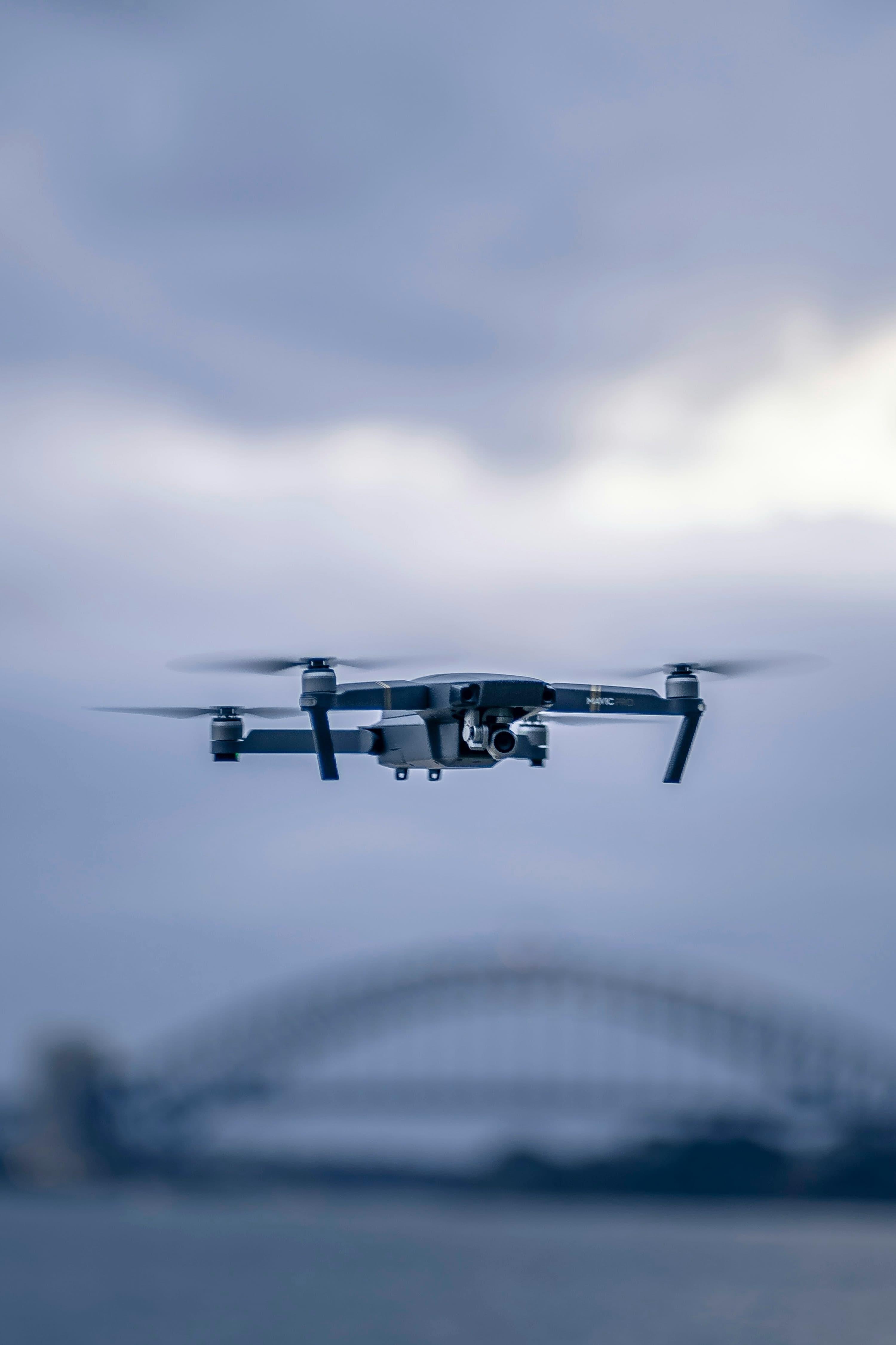
On the operational front, US drones play an integral role in intelligence gathering, target acquisition, battlefield surveillance, logistic support, and even direct engagement. For instance, during recent overseas missions, drones were pivotal in locating high-value targets and facilitating precision airstrikes without risking pilot lives. The expansion of drone capabilities into all domains, including maritime with unmanned surface vessels, showcases the versatility and scalability of US military unmanned systems.
Furthermore, the increasing interoperability between US drones and legacy military assets means that information can be shared instantly between UAVs and manned aircraft, artillery systems, and ground troops. This synergy significantly shortens the sensor-to-shooter timeline and supports a truly networked battlespace.
Recent advances also touch on counter-drone operations. As adversaries deploy their own unmanned vehicles, the US military is fielding defensive drones equipped with electronic jamming systems and directed-energy weapons to neutralize incoming threats. This extends US drone technology beyond offensive roles, creating robust multi-layered defense structures.
On the policy and ethics side, US drone deployments are subject to evolving regulations and oversight. Central to these discussions are concerns about autonomy, accountability, and civilian safety. The US Department of Defense has introduced updated guidelines to address the responsible use of drones in military theaters, focusing on minimizing collateral damage and ensuring compliance with international law.
Moreover, the transfer of US drone technology to allies has grown in frequency, helping partner nations enhance their own security capabilities and operate jointly during multinational exercises.
Looking forward, future trends in US drone development include increased use of quantum sensors for navigation accuracy, miniaturized components for covert operations, and sustainable energy sources such as solar-powered UAVs for extended endurance missions. As the battlefield becomes more digitized, drones will serve as essential nodes, gathering and relaying data that drives informed, rapid decision-making.
Challenges in Drone Integration
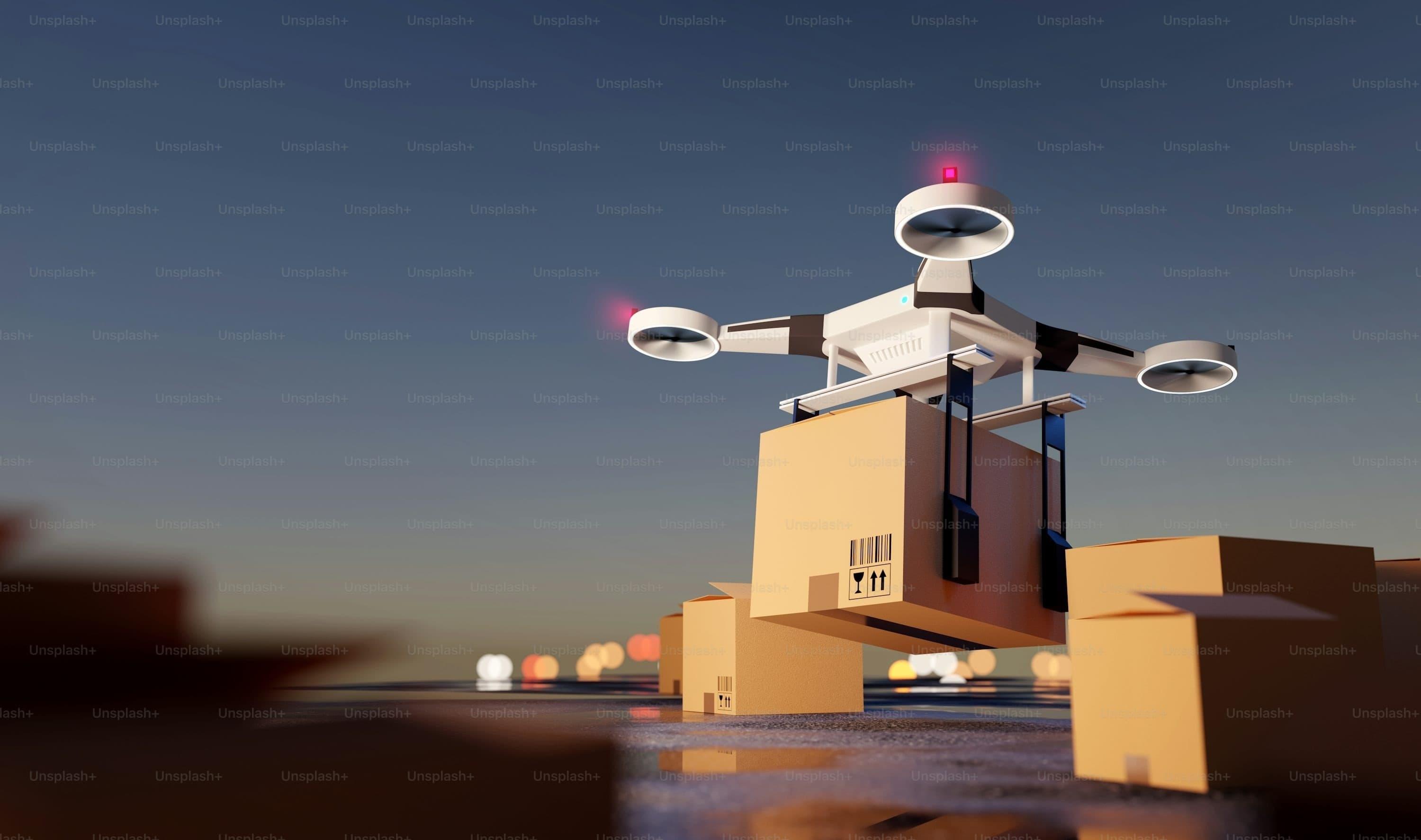
Despite remarkable progress, integrating advanced drone technology within existing military frameworks poses several challenges. Ensuring secure, uninterrupted communications in environments where adversarial electronic warfare is prevalent remains a top priority. Additionally, the ethical implications of lethal autonomous drones require ongoing attention—from AI accountability to programmed fail-safes guarding against unintended engagements.
US drone technology is also influencing the civilian sector, with spillover innovations leading to advanced mapping, search and rescue operations, disaster response, and infrastructure monitoring. The boundary between defense and civilian use is increasingly blurred, prompting regulatory agencies to expand oversight where necessary.
Conclusion
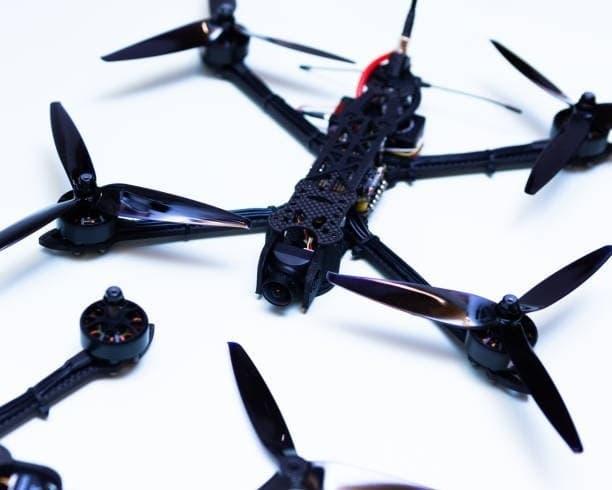
As the pace of drone innovation accelerates, the US military is set to maintain technological superiority in both surveillance and tactical operations. The adaptability, autonomy, and advanced systems within current and next-generation US drones position them as key assets for future defense strategies. Their ability to seamlessly integrate, collaborate in swarms, and operate in contested environments cements their role as indispensable tools for national security.
FAQ
- What new capabilities do US military drones possess?
- Modern US drones feature autonomous decision-making, advanced sensors for real-time intelligence, enhanced stealth, and secure communications. They support both offensive and defensive missions with unprecedented efficiency.
- How does AI impact US drone operations?
- Artificial intelligence enables drones to analyze data independently, optimize route planning, identify threats, and execute missions with minimal human control, increasing speed and accuracy.
- Are there ethical concerns with US drone use?
- Yes, ethical concerns include accountability for autonomous actions, civilian safety, and compliance with international law. Oversight and transparent policy development are central to addressing these challenges.