
Essential Skills for Every Drone Operator in 2024
As technology advances at a breathtaking pace, the role of the modern drone operator continues to expand. Whether you are aspiring to lead aerial photography projects, contribute to agricultural innovation, or monitor remote infrastructure, mastering a diverse set of skills is non-negotiable. In this in-depth guide, we unpack the key abilities that every successful drone operator must refine to stand out in a rapidly evolving industry. From operational expertise to sharp analytical thinking, here’s what makes a difference in 2024.
1. Proficiency in Drone Flight Controls
At the core, a drone operator must display absolute command over their drone’s controls. This goes beyond basic takeoff, landing, and maneuvering: operators should be adept at handling various environmental conditions, navigating obstacles, and responding to emergency scenarios. Regular training with simulation software and real-world practice ensures you’re prepared for both automated and manual flight modes, giving you the versatility to tackle challenging missions.
2. Understanding of Airspace Regulations and Compliance
One of the most critical drone operator skills is familiarity with local, regional, and international airspace laws. Regulations around UAV operations are dynamic, and non-compliance can lead to serious penalties. It’s essential to stay updated with changing rules related to flight zones, altitude limits, registration requirements, and privacy issues. Completing accredited training and staying engaged with aviation authorities will help you maintain compliance and operate confidently.
- Tip: Regularly check aviation authority websites and subscribe to regulatory update bulletins to remain informed.
3. Technical Troubleshooting & Maintenance
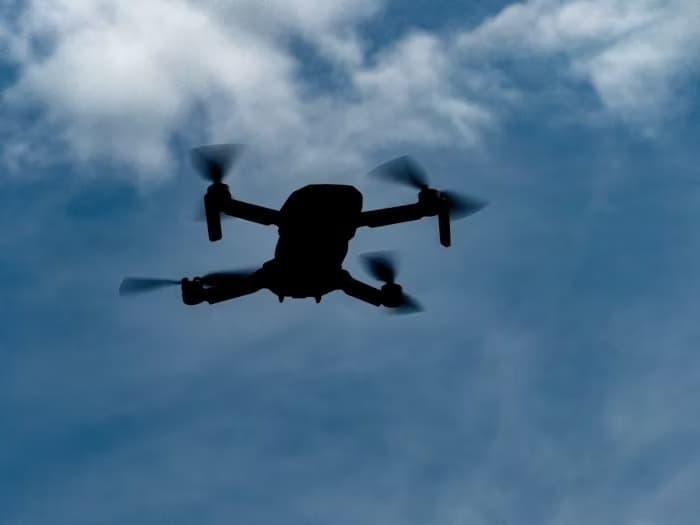
The complexity of modern UAVs means even minor issues can disrupt operations. Every drone operator should be proficient in diagnosing and resolving hardware and software malfunctions. This includes replacing propellers, calibrating sensors, updating firmware, and securing strong wireless connections. Proactive maintenance ensures long-term reliability, safety, and uninterrupted flights.
4. Navigation & Mapping Abilities
Today’s drone operators leverage GPS, GIS, and mapping applications for precise route planning and data collection. Skill in interpreting maps, planning flight paths, and optimizing survey coverage is invaluable for tasks such as land surveys, search and rescue, or infrastructure inspection. Understanding waypoint navigation, geofencing, and elevation settings significantly boosts mission efficiency.
5. Data Collection and Analysis
Drones produce immense quantities of visual and sensor data. The top drone operator can not only capture high-quality imagery and video, but also process and analyze this data for actionable insights. Familiarity with software platforms for image stitching, 3D modeling, and geographic data analysis is advantageous, especially in industries like agriculture, construction, and environmental monitoring.
6. Communication and Coordination Skills
Drone operations often require teamwork and interaction with clients, regulators, and fellow operators. Excellent verbal and written communication helps clearly convey mission objectives, safety protocols, and findings. Coordination with ground teams or remote monitoring staff ensures efficient workflow and rapid incident response.
7. Creative Vision and Storytelling (for Aerial Content Creation)
For those focused on aerial photography or videography, creativity sets you apart. A skilled drone operator not only understands flight mechanics but can also compose compelling shots, utilize optimal lighting, and edit raw footage for maximum impact. Understanding the principles of visual storytelling and basic video editing software unlocks new opportunities in media, marketing, or broadcasting.
8. Safety Awareness
Safety is paramount in drone operations. The best operators conduct thorough pre-flight checks, risk assessments, and contingency planning. This means evaluating weather conditions, area obstacles, battery levels, and equipment status. A robust safety-first mentality helps prevent accidents and builds professional trust.
9. Adaptability and Continuous Learning
As drone technology evolves, so must your skills. Leading drone operators embrace new hardware, software, and best practices, regularly attending workshops, webinars, and certification courses. Maintaining curiosity and adaptability ensures you will thrive as industry needs shift.
10. Business and Marketing Insights (for Freelancers & Entrepreneurs)
Entrepreneurial drone operators benefit from understanding business fundamentals, from client acquisition and project management to branding and social media marketing. Knowing how to package your services, communicate your value proposition, and deliver professional results sets you apart in competitive markets.
11. Environmental and Ethical Sensitivity
High-level drone operators consider the environmental impact of their work and respect ethical standards. Minimizing disturbance to wildlife, respecting privacy, and adhering to fair drone use policies are essential for maintaining public trust and ecological balance.
Emerging Skills for the Future
With AI-powered drones, advanced payload systems, and real-time connectivity on the horizon, the next generation of drone operators will increasingly need proficiency in coding, machine learning, network security, and automation. Positioning yourself at the forefront of these technologies ensures longevity and success in your career.
Career Opportunities for Drone Operators in 2024
The surge in drone applications is fueling demand across industries. Skilled drone operators are sought after in fields such as agriculture (crop health monitoring, spraying), delivery logistics, infrastructure inspection, disaster response, wildlife tracking, filmmaking, and law enforcement. By continually honing their craft, operators ensure they are ready to seize new opportunities as the market evolves.
Frequently Asked Questions About Becoming a Professional Drone Operator
- What certification is required to be a drone operator?
- Certification requirements vary by region. In many countries, passing a remote pilot exam and registering your drone are the minimum steps. Higher certifications may be needed for commercial operations or specialized missions.
- How much can a skilled drone operator earn?
- Income ranges widely depending on expertise, industry, and location. Entry-level operators may earn $30-50K annually, while experienced specialists or entrepreneurs can earn upwards of six figures, especially in high-demand sectors like energy or media.
- What challenges do drone operators face?
- Common challenges include regulatory changes, equipment failures, adverse weather, and staying ahead of new technological developments. Ongoing education and preparedness are key to managing these risks.
Whether you’re just starting or aiming to advance your career, focusing on the core and emerging skills described above will position you as a trusted, future-ready drone operator in 2024 and beyond.