
The Future of Delivery Drone Technology: Transforming Modern Logistics
In recent years, delivery drone technology has advanced at an unprecedented pace. As e-commerce continues to proliferate and consumers demand ever-faster delivery times, drones are positioned to revolutionize the logistics industry. In this article, we will explore how delivery drones are shaping the future of logistics, their potential benefits and challenges, key technological developments, and what these trends mean for businesses and consumers globally.
How Do Delivery Drones Work?
Delivery drones are unmanned aerial vehicles (UAVs) programmed to autonomously deliver packages to particular destinations. Equipped with advanced GPS, sensors, collision avoidance, and automated flight systems, these drones navigate complex environments safely and efficiently. Their deployment typically begins at a logistics hub, where packages are loaded into the compartment and a route is automatically plotted to the delivery point. Modern delivery drones can carry lightweight packages within urban and rural settings — ideal for medical supplies, food delivery, small online orders, and more. As delivery drone technology becomes more sophisticated, its application continues to expand.
Key Benefits of Delivery Drone Integration
- Rapid Delivery: Drones can bypass traffic and geographic obstacles, making last-mile delivery significantly faster and more reliable.
- Reduced Operational Costs: Operating costs are lower due to less dependence on human labor and fuel. Electric-powered drones further reduce long-term expenses.
- Environmental Sustainability: Electric delivery drones have a lower carbon footprint than traditional delivery trucks, supporting global sustainability goals.
- Access to Remote Locations: Drones can easily reach hard-to-access or disaster-affected areas where conventional vehicles may struggle.
- Enhanced Customer Experience: With precise, trackable deliveries and shorter wait times, customer satisfaction is significantly improved.
Challenges in Scaling Delivery Drone Operations
Despite their benefits, several challenges must be tackled for widespread delivery drone adoption. Key obstacles include:
- Regulatory Hurdles: Airspace regulations, privacy laws, and no-fly zones are significant barriers varying by region, making widespread drone use complex.
- Safety and Reliability: Weather conditions, payload limitations, battery life, and technical malfunctions are all critical variables. Ensuring drones can safely operate in urban environments crowded with people and buildings is an ongoing concern.
- Public Acceptance: Concerns about noise pollution, privacy invasion, and safety can lead to community pushback.
- Infrastructure Needs: Building droneports, automated package dispensing stations, and robust communication networks are necessary but costly.
Latest Innovations Driving Delivery Drone Technology
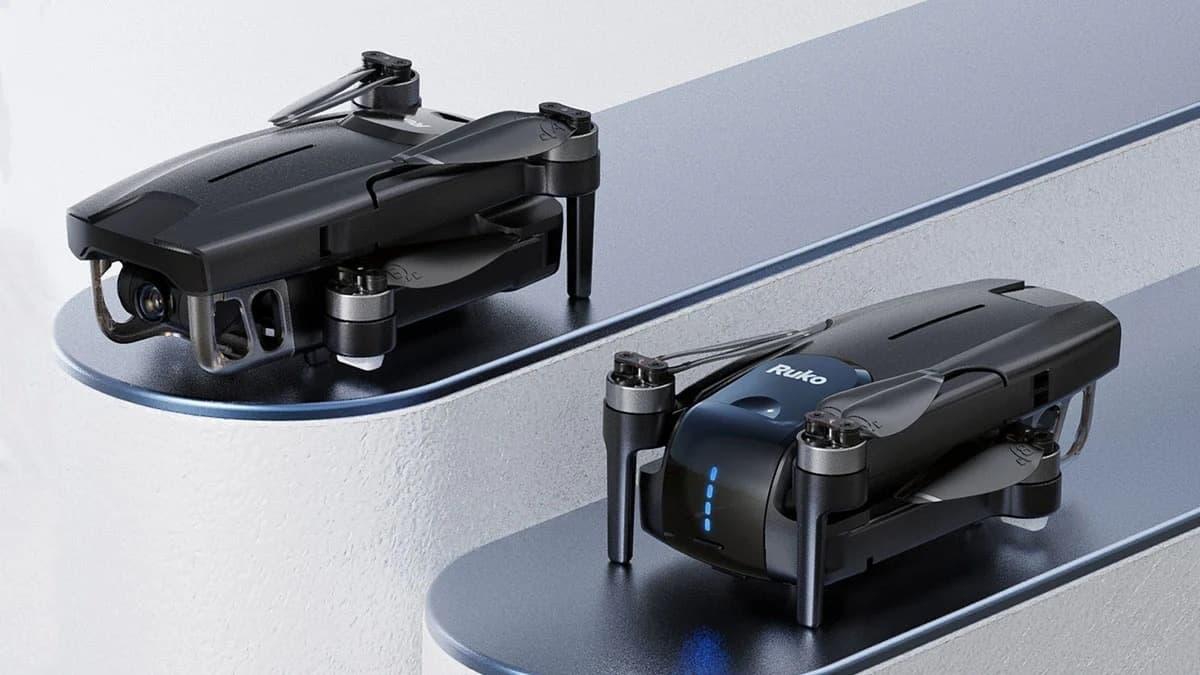
Innovation is at the heart of the delivery drone revolution. Recent breakthroughs include: longer battery life with next-generation lithium-ion and hydrogen fuel cells; enhanced obstacle avoidance using AI-powered sensors; real-time communication via 5G networks; and hybrid drones with both rotor and fixed-wing capabilities, allowing for longer ranges and heavier loads. In addition, companies are experimenting with swarms of delivery drones, enabling large-scale, simultaneous deliveries and providing redundancy in the event of individual drone failure. Integrating blockchain for parcel tracking and utilizing machine learning for optimized route management further boost efficiency and security.
Major Industry Players and Pilot Programs
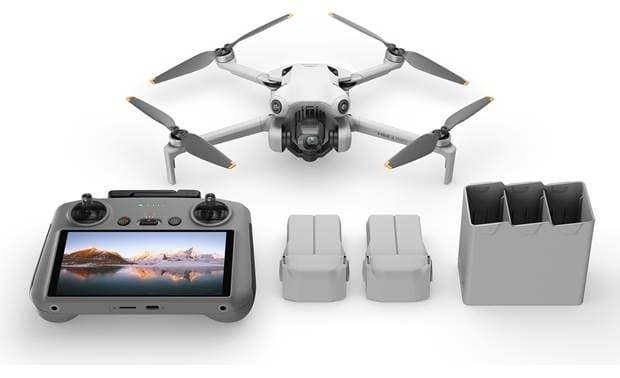
Several industry leaders have invested heavily in delivery drone projects. Amazon Prime Air, Google’s Wing, UPS Flight Forward, and DHL Parcelcopter are a few notable examples. These companies have conducted successful pilot programs in various geographies. For instance, Wing has achieved regulatory approval for commercial drone deliveries in parts of the US and Australia, delivering essentials such as medicine, groceries, and hot meals directly to customers’ doorsteps. Meanwhile, Zipline’s drones have already transformed medical supply chains in remote regions of Africa, saving lives by delivering vaccines and blood within minutes.
Impact on the Future of Logistics and Supply Chain
As delivery drone technology matures, the implications for the supply chain are profound:
- Decentralized Warehousing: Drones empower smaller, dispersed warehouses closer to customers, reducing overall delivery timelines.
- Real-Time Inventory Management: Automated drone fleets can enable rapid replenishment and dynamic distribution models.
- Reduced Traffic Congestion: Taking a portion of delivery loads off roadways lightens urban traffic and saves on infrastructure wear and tear.
- Last-Mile Revolution: Drones directly address one of the most expensive and complex elements in logistics—the last mile—by offering fast, flexible delivery solutions.
Environmental and Social Considerations
With the transition to electric-powered drones, the logistics sector can make significant environmental gains, including reduced tailpipe emissions and lower reliance on fossil fuels. However, the proliferation of delivery drones also requires thoughtful urban planning to avoid airspace clutter, noise complaints, and wildlife disturbances. Socially, delivery drone integration demands new workforce skills — in programming, maintenance, and remote monitoring — unlocking future job opportunities but requiring investment in training and education.
What’s Next for Delivery Drones?
The trajectory of delivery drone technology is upward. In the short term, expect to see incremental rollouts in suburban and rural markets, with expanding coverage as public and regulatory acceptance grows. In the long term, as drone flight ranges increase, payload capacity improves, and costs decrease, expect drones to become ubiquitous for daily deliveries, especially in densely populated or difficult-to-reach locales. Partnerships with logistics software providers and integration with smart city infrastructure will further unlock the technology’s potential. Given this outlook, ongoing collaboration between industry stakeholders, regulatory bodies, and the public will be key to maximizing benefits and minimizing disruptions.
FAQs about Delivery Drones and Logistics
- Q1: Are delivery drones safe to operate in urban areas?
- Modern delivery drones are equipped with sophisticated sensors and AI-powered systems to avoid collisions and adapt to unexpected changes. Nonetheless, continuous improvements and stringent regulatory standards are vital for ensuring urban safety.
- Q2: What types of packages can be delivered with drones?
- Generally, delivery drones are best suited for lightweight goods such as medicines, documents, food, small electronics, and essential household products. Technological advancements are gradually increasing their payload capacities.
- Q3: Will delivery drones replace human delivery drivers?
- Delivery drones are expected to augment human workers rather than fully replace them, taking over specific, repetitive, or urgent delivery tasks while creating new jobs for drone maintenance, programming, and supervision.
