
A Comprehensive Introduction to UAV Drones
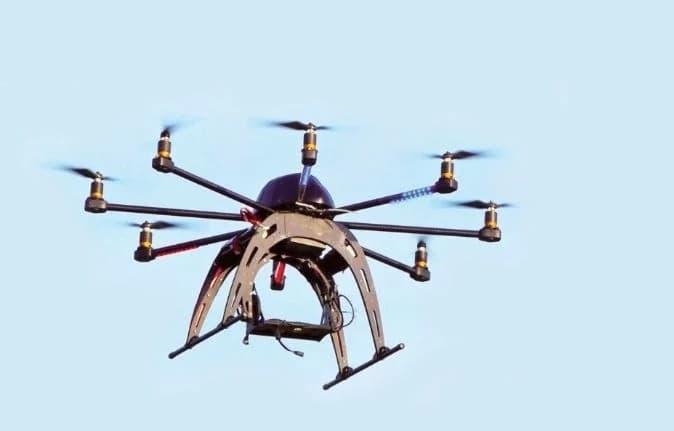
Unmanned aerial vehicles, more commonly known as UAV drones, have revolutionized modern technology by offering exceptional versatility to users in various fields. Whether you’re a hobbyist eager to explore aerial photography or a professional seeking advanced surveillance solutions, understanding UAV drones is essential for unlocking their full potential. UAV drones come in different shapes and sizes, from compact quadcopters to robust hexacopters, catering to a diverse range of applications.
The Evolution and Technology Behind UAV Drones
- Flight Control Systems: Modern UAV drones utilize microprocessors and IMUs (inertial measurement units) for smooth, adaptive flight.
- Cameras & Sensors: Most UAV drones are equipped with high-resolution cameras, thermal sensors, LiDAR, and multispectral imaging tools for detailed data capture.
- Communication Protocols: Advanced models use encrypted radio frequencies and 4G/5G connectivity to transmit commands and receive telemetry rapidly.
- Battery Life: Improvements in battery technology have resulted in longer flight times, often exceeding one hour on a single charge.
Types of UAV Drones for Every User
Drones are categorized based on their use and design. Hobbyist drones are compact, lightweight, and user-friendly, perfect for beginners who want to hone their piloting skills.
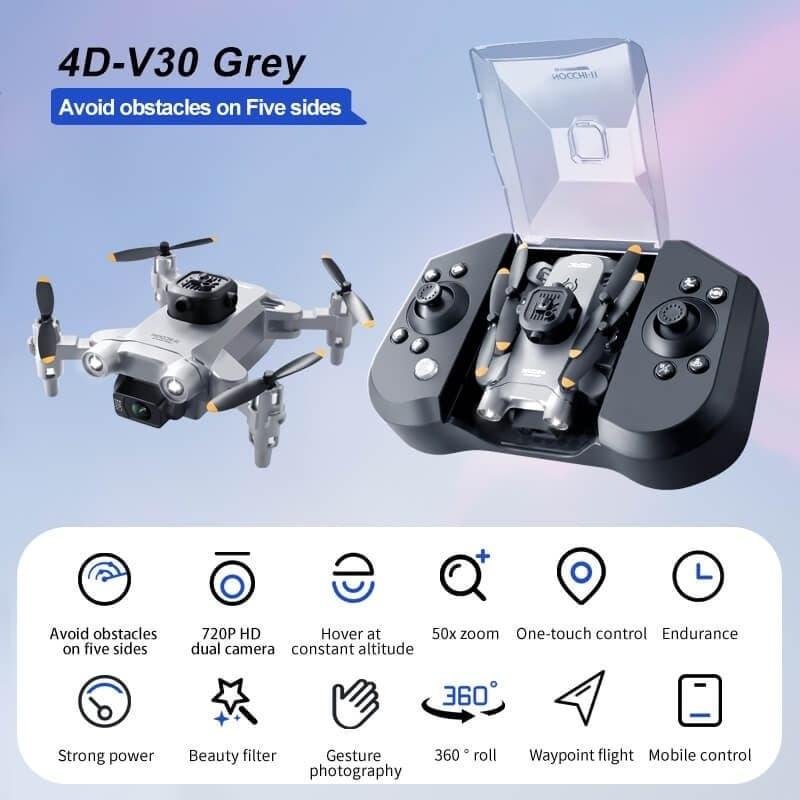
- Mini-drones: Affordable, fun for indoor flight, best for learning the basics of UAV drones.
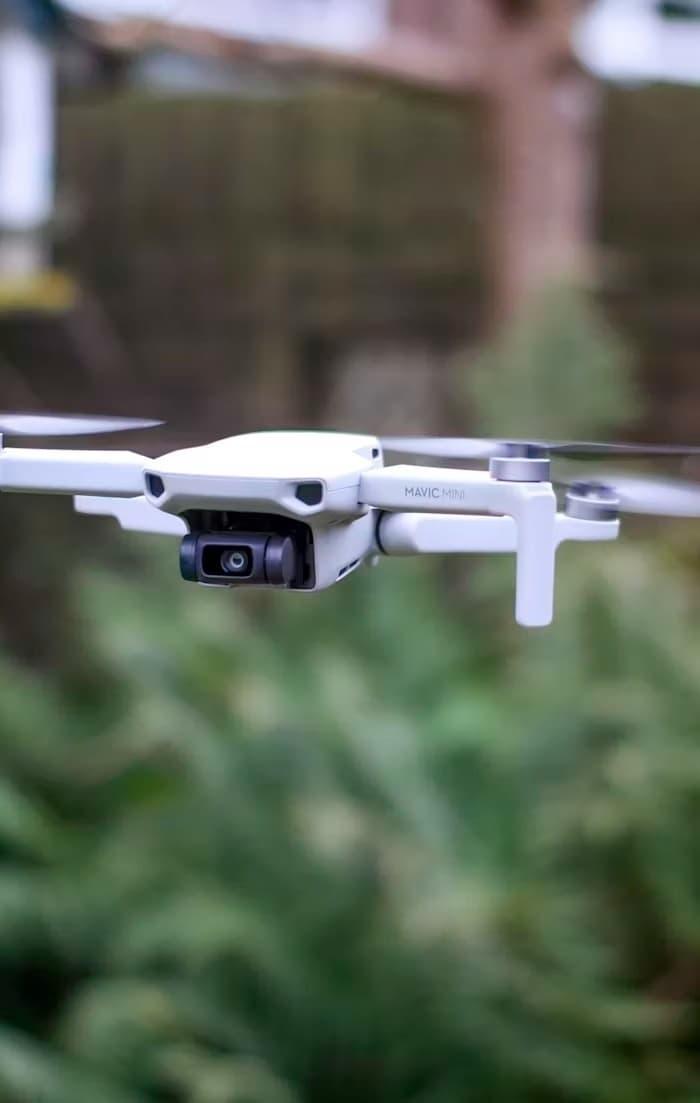
- Camera drones: Feature stabilized mounts and advanced imaging sensors for creative videography and photography.
- Racing drones: Built for speed and agility, these UAV drones are used for competitive racing events and skill advancement.
For professionals, commercial and industrial UAV drones dominate the market:
- Mapping & Survey Drones: Used by engineers and surveyors for generating detailed topographical maps.
- Inspection Drones: Vital in construction, energy, and utility sectors, enabling rapid asset inspection with minimal human risk.
- Delivery Drones: Pioneered by logistics giants, these UAV drones are transforming last-mile delivery processes worldwide.
Key Features to Consider Before Choosing a UAV Drone
Selecting the right UAV drone depends on your specific needs. Pay close attention to the following attributes:
- Camera Quality: For imaging tasks, prioritize drones with 4K video, gimbal stabilization, and adjustable FOV.
- Flight Range: Advanced UAV drones offer ranges from a few hundred meters to several kilometers—ideal for outdoor applications.
- Portability: Foldable designs enable easy transportation and storage, crucial for field operations.
- Safety Features: Intelligent obstacle avoidance, return-to-home, and geo-fencing are must-haves for safe flights.
- Firmware & App Support:
 Reliable mobile apps and regular firmware updates guarantee smooth operation and security.
Practical Applications of UAV Drones
UAV drones have permeated numerous industries due to their adaptability. In agriculture, drones collect soil data, monitor crop health, and assist with precision spraying, reducing costs and environmental impacts. Surveying and mapping professionals rely on UAV drones to generate high-resolution orthomosaic maps for land-use planning. In the public safety sector, drones deploy rapidly for search and rescue missions, fire monitoring, or disaster response, providing real-time actionable data.
Entertainment and media industries leverage UAV drones for dynamic shots in film production, sports events, and journalism, producing content that was previously impossible with traditional equipment.
Getting Started: Tips for Beginners
If you’re new to UAV drones, start with safety briefings, local flying regulations, and training on flight controls. Begin with low-cost models to practice takeoff, hovering, and landing before investing in advanced drones. Join local clubs, online forums, and communities to gain insights and share experiences with other pilots.
Maintenance and Legal Considerations
Routine maintenance ensures UAV drones perform optimally. Check propellers for damage, keep batteries fully charged, and regularly update software. Compliance with aviation laws is mandatory; register your UAV drone if required, avoid restricted airspace, and never fly above designated altitude limits. In some countries, obtaining certification or a license is necessary for commercial operations.
Future Trends in UAV Drone Technology
Frequently Asked Questions
- What is the difference between a UAV drone and a regular drone?
- All drones are UAVs (unmanned aerial vehicles), but “drone” encompasses remotely or autonomously controlled aerial, ground, or sea vehicles. UAV drones specifically refer to flying unmanned vehicles used for aerial tasks.
- Can UAV drones be flown indoors?
- Yes, many lightweight UAV drones are suitable for indoor flight, but ensure sufficient space and avoid obstacles to prevent accidents.
- Do I need a license to operate a UAV drone?
- For recreational use, a license may not be necessary in some countries; however, commercial use usually requires registration and certification. Always check your local aviation authority’s regulations.
Exploring the world of UAV drones opens up limitless opportunities for innovation, creativity, and efficiency across countless industries. Whether you seek thrilling aerial adventures or streamlined professional workflows, UAV drones offer a gateway to the skies and beyond.