
How Deer Drone Recovery is Changing Wildlife Rescue
When it comes to wildlife assistance and rescue, innovation plays a key role in preserving fragile ecosystems and supporting animal populations. One of the most exciting and disruptive technologies gaining momentum is deer drone recovery. This method utilizes remotely piloted drones to locate, monitor, and recover wounded or stranded deer, offering a leap forward compared to traditional techniques. In this article, we will dive deep into how deer drone recovery works, its advantages, implementation challenges, and its broader impact on wildlife aid.
What is Deer Drone Recovery?
Deer drone recovery refers to the use of aerial drones for detecting deer in distress, tracking their movements, performing searches after hunting events, or monitoring habitats. These drones are equipped with thermal imaging, high-definition cameras, and GPS technology, which enable quick and efficient location of deer that might otherwise be difficult to find on foot or with vehicles. The capability to cover expansive areas in a short period gives this method a strategic edge, especially during the crucial minutes following an animal’s injury or when a fawn is lost.
Key Technologies in Deer Drone Recovery
- Thermal cameras: Particularly vital for nighttime searches or in dense forests where deer become hard to spot with the naked eye.
- High-resolution cameras: Allow for real-time, accurate identification and assessment of the animal’s condition from above.
- GPS tracking: Logs precise locations which aid in mapping animal movement and coordinating on-ground recovery teams.
- AI-aided recognition:
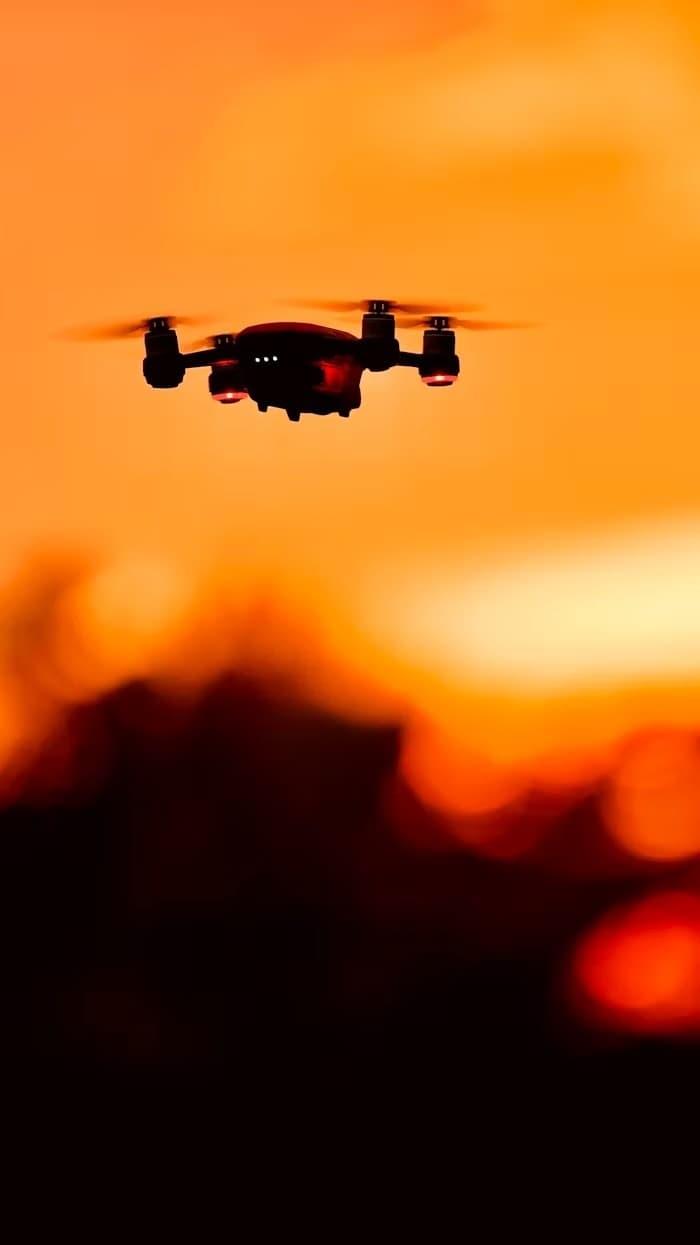 Some advanced drones utilize artificial intelligence to distinguish deer from other animals or non-living objects, reducing false alarms.
Why is Drone Recovery Superior?
The traditional approach to wildlife recovery often involves intensive labor, trained dogs, and long hours spent searching. This increases the risk that a wounded animal could succumb to injuries, hypothermia, or predation before help arrives. With deer drone recovery, search efficiency and animal safety improve dramatically because drones:
- Reduce search times, covering more ground in minutes than a team can in hours.
- Minimize human interference, which lowers stress for wildlife and accidental damage to habitats.
- Provide immediate visual feedback, allowing responders to plan the safest, most efficient approach for each unique scenario.
Benefits for Wildlife Aid Organizations and Conservationists
For veterinarians, wildlife rescuers, and conservationists, deer drone recovery can make a dramatic difference. Here’s how:
- Improved survival rates for wounded and orphaned deer due to faster location and response times.
- Enhanced data collection on deer populations and migratory patterns, supporting sustainable management efforts.
- Reduced operational costs over time by lowering manpower and equipment requirements.
- Non-invasive approach minimizes ecological disruption, allowing habitats to thrive undisturbed.
Challenges and Considerations
While the advantages are compelling, deer drone recovery isn’t without its challenges. Drone operation in wildlife zones can be hindered by:
- Dense foliage that limits visibility and can disrupt signal transmission.
- Legal regulations regarding drone use in protected areas or near private properties.
- The need for skilled operators to manage both piloting and data analysis efficiently.
- Weather constraints; high winds, rain, or heavy snow can ground even the most advanced drones.
Current Applications and Success Stories
Across North America and Europe, deer drone recovery programs are showing tangible benefits. Hunters use drones post-hunt to find wounded deer for ethical recovery, ensuring that animals do not suffer unnecessarily. In rural areas, conservationists deploy drones during fawning seasons to prevent farm equipment from disturbing hidden fawns. Emergency responders have used drones after wildfires to find survivors amid charred landscapes, yielding unprecedented survival rates for wildlife.
Broader Impact on Wildlife Aid Efforts
As the practice of deer drone recovery matures, its influence spreads beyond deer to support rescue operations for elk, moose, and other species. The blueprint for rapid, precise search-and-rescue provided by drones is inspiring similar initiatives targeting lost pets, search-and-rescue for people in wilderness settings, and even monitoring at-risk bird nests.
The Future of Deer Drone Recovery
Technological advancement and greater public awareness point toward a future where deer drone recovery is a staple in every wildlife aid toolbox. Advocacy groups are pushing for streamlined regulations, improved operator training, and research into best practices. In coming years, further integration with smartphone apps, crowd-sourced reporting, and automated AI analysis are expected to make these interventions quicker and more intelligent.
How Can You Get Involved?
Many local organizations offer volunteer training for drone operations or citizen science projects gathering data on regional deer populations. If you’re interested in supporting wildlife aid, reach out to conservation groups in your area or explore digital platforms connecting community members to recovery and monitoring initiatives.
Deer drone recovery isn’t just a technological upgrade—it’s a paradigm shift in how we approach animal welfare, conservation, and ecosystem management.
FAQs About Deer Drone Recovery
- Is deer drone recovery legal everywhere?
- Drone use is subject to varying local, state, and federal regulations. Always check with relevant authorities before operating drones near sensitive wildlife zones.
- How effective are drones at locating deer in dense forests?
- While dense foliage can present challenges, thermal cameras and AI-assisted recognition greatly enhance the ability to spot animals otherwise hidden from the human eye.
- Can other animals benefit from similar drone search methods?
- Absolutely! The same technology has been successfully applied to rescue lost pets, locate larger game like elk and moose, and even monitor vulnerable bird populations.
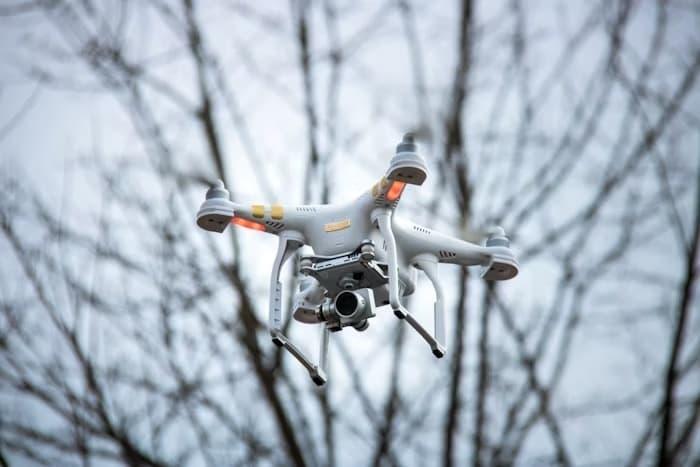
As drone technology continues to improve, the scope for wildlife aid and conservation will only expand, with deer drone recovery leading the way.