
Understanding the Evolution of US Military Drones: Technology, Applications, and the Future
The landscape of modern warfare has dramatically shifted due to the continuous advancements in unmanned aerial vehicles, widely recognized as US military drones. These sophisticated machines represent a fusion of cutting-edge engineering and digital intelligence, providing unprecedented surveillance, reconnaissance, and combat capabilities to the United States armed forces. US military drones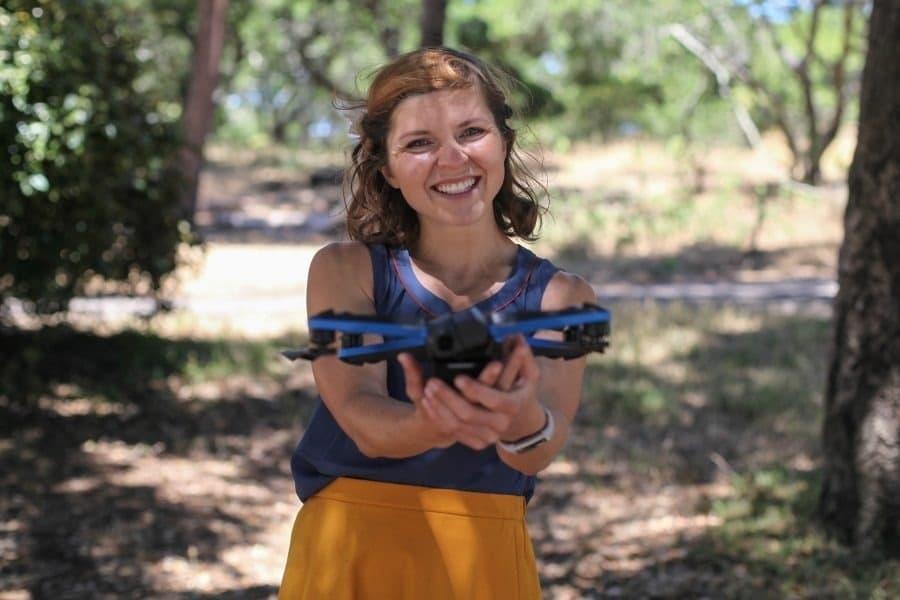 are no longer just experimental technologies; instead, they play pivotal roles in supporting both strategic and tactical missions across global theaters.
Historical Context of Unmanned Aerial Systems
Tracing the history of unmanned technology reveals a swift journey from rudimentary remote-controlled aircraft to today’s highly automated and intelligent US military drones. The employment of drones by the US dates back to World War I with the development of the Kettering Bug, yet it’s the breakthroughs in wireless communication, miniaturization of sensors, and improvements in flight autonomy over the past two decades that truly revolutionized their effectiveness.
From reconnaissance missions in Kosovo and Afghanistan to precision strikes in the Middle East, the US military drone program has rapidly diversified in operation, function, and strategic importance.
Key Technologies Powering Modern US Military Drones
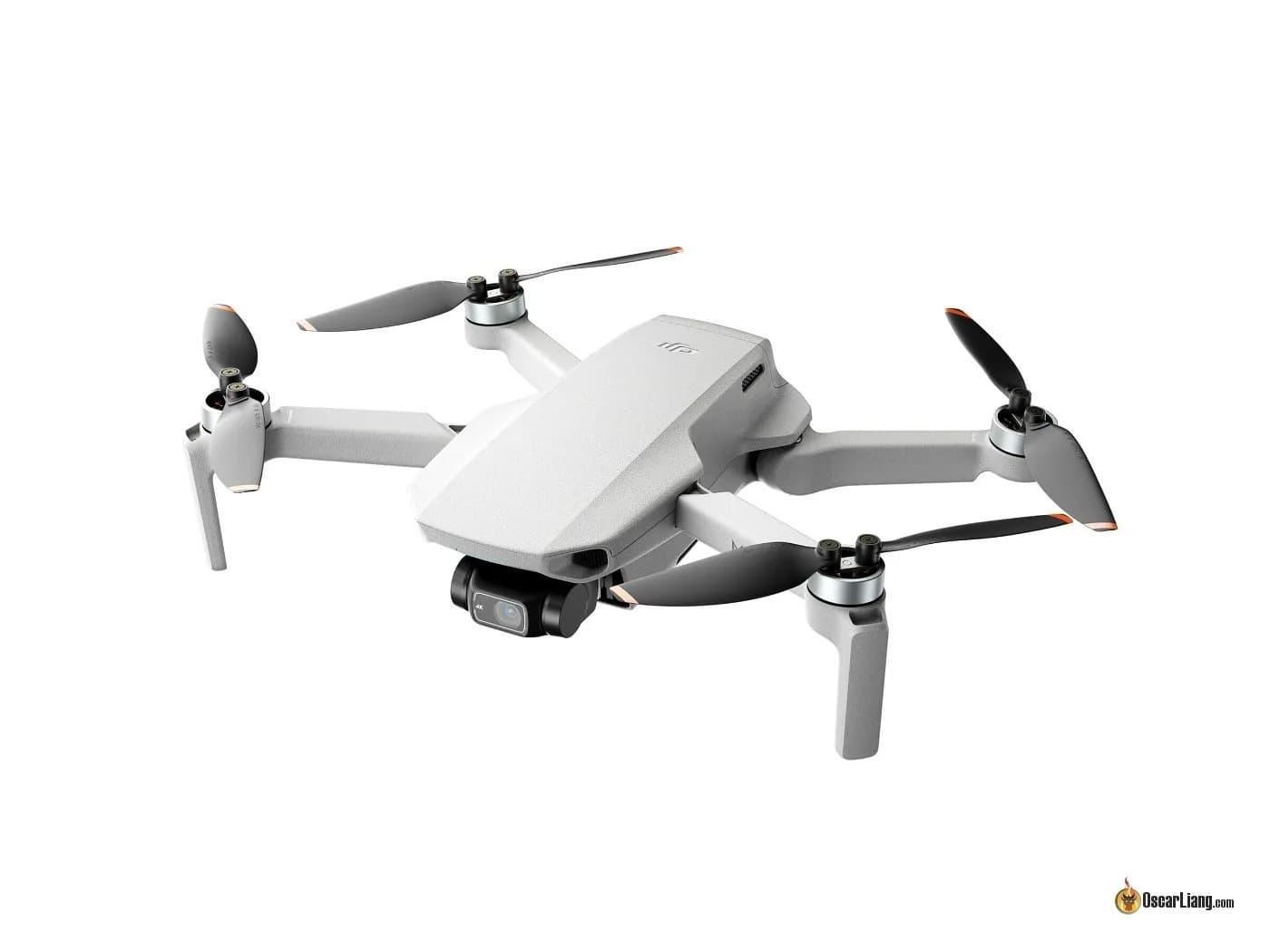
- Autonomous Navigation: Advanced AI enables drones to navigate complex terrains and avoid obstacles without human intervention.
- Data Integration and Processing: Real-time data streams from embedded sensors enhance situational awareness for commanders.
- Stealth Capabilities: Innovations in aerodynamics and materials science allow for low radar signatures and extended range operations.
- Swarm Coordination: Multiple drones can work collaboratively, maximizing efficiency and impact during missions.
Current Operational Roles and Expanding Uses
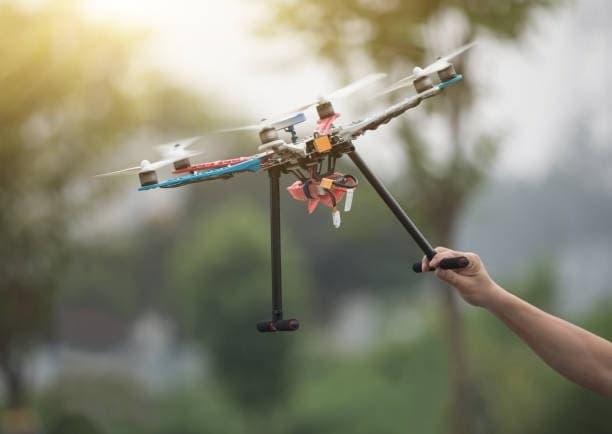
US military drones are employed in a wide array of military operations, each tailored to leverage the unique strengths of unmanned technologies. Reconnaissance and Surveillance constitute one of the core missions. Drones such as the MQ-9 Reaper and RQ-4 Global Hawk gather intelligence, monitor troop movements, and locate targets—all with minimal risk to human life.
Combat roles have expanded through the integration of munitions, enabling precision strikes and close air support in hostile environments while recording post-mission analytics for learning and adaptation. Furthermore, US military drones assist in search and rescue, disaster response, and logistical resupply, demonstrating profound versatility beyond combat scenarios.
Recent Innovations Defining the Next Generation
Today’s research is focused on boosting flight times, improving battery efficiency, enabling sophisticated swarm intelligence, and enhancing survivability in contested environments. The future of US military drones may include hypersonic speeds, quantum sensor integration, and closer links to satellite communication systems. Machine learning algorithms are transforming targeting, navigation, and threat detection, allowing drones to act with increased autonomy while minimizing risks and operational errors.
Emerging fields like counter-drone technology and cybersecurity are equally crucial, with military stakeholders investing in robust electronic warfare techniques to safeguard assets in increasingly complex digital battlespaces.
US Military Drones and Civilian Applications
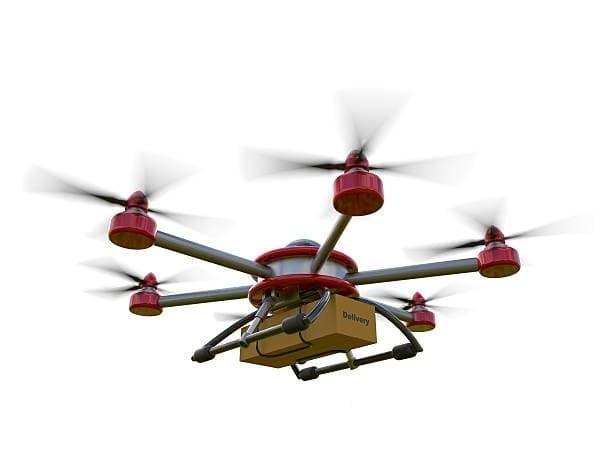
Though developed for defense, this technology has broad implications for civilian sectors. Innovations first seen in US military drones—such as instant aerial mapping, real-time data analytics, and AI-enabled flight control—are now mainstream in commercial delivery, agriculture, and disaster management, underscoring the ripple effect of military research upon society as a whole.
Frequently Asked Questions (FAQ)
- How do US military drones ensure operational safety and avoid civilian casualties?
- Modern US military drones utilize advanced targeting systems, real-time intelligence, and strict operational protocols designed to minimize risks and collateral damage. Missions are often overseen by multidisciplinary teams that assess hazards before engagement.
- What types of US military drones are currently deployed?
- The US military employs a range of drones, including the MQ-9 Reaper for combat and reconnaissance, the RQ-4 Global Hawk for high-altitude surveillance, and smaller tactical models dedicated to squad-level support and surveillance.
- Are US military drones vulnerable to cyber attacks?
- While cyber threats pose significant risks, the US military invests heavily in advanced encryption, multi-layered security systems, and countermeasures to protect drone communication and control networks.