
Unleashing the Potential of Thermal Drone Technology in Search and Rescue Operations
In recent years, search and rescue missions have seen a significant technological evolution, notably with the integration of thermal drone systems. Traditionally, these life-saving operations relied on ground teams, helicopters, and sniffer dogs, often facing challenges in visibility due to weather, nightfall, or dense terrains. The advent of thermal drone technology is transforming these scenarios by providing rescuers with cutting-edge tools to quickly, accurately, and efficiently locate missing persons or stranded victims. This article delves deep into how thermal drones are shaping the future of search and rescue, their advantages, challenges, and remarkable potential.
Understanding Thermal Drone Technology
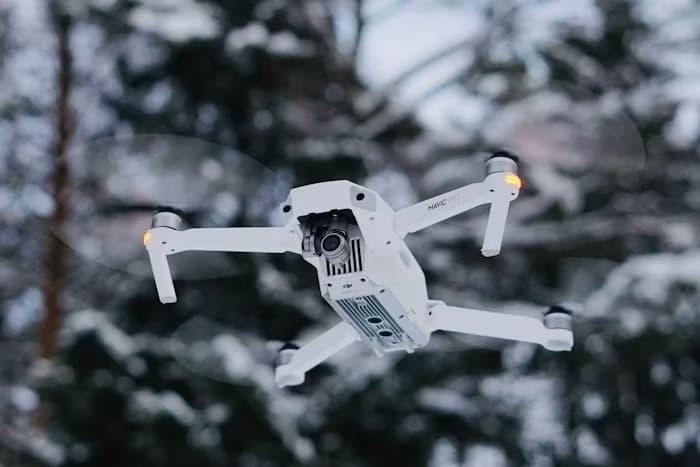
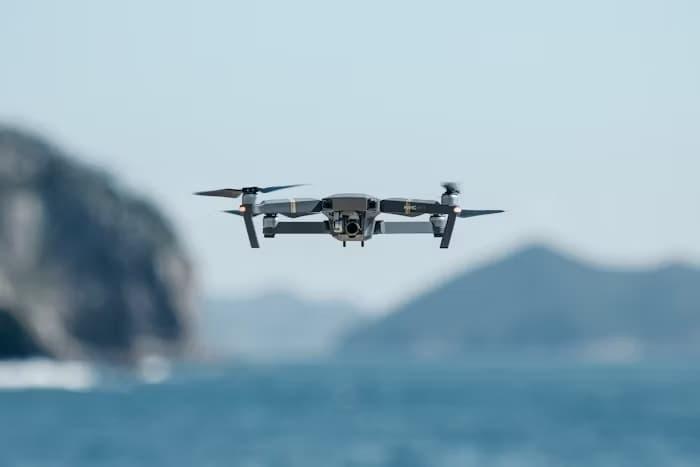
At its core, a thermal drone utilizes advanced infrared cameras that capture heat signatures emitted by living beings and objects. Unlike conventional imagery, thermal sensors can detect variations in temperature, making it possible to spot humans or animals even when they are obscured by foliage, debris, or darkness. These drones fly autonomously or are remotely operated, scanning vast areas much faster than manned teams, and transmitting real-time data back to command centers.
- Thermal imaging allows for detection in zero-visibility conditions.
- Thermal drones can cover inaccessible, hazardous, or expansive search areas.
- Data collected in thermal format is easier to analyze for spotting living beings.
Impact of Thermal Drone Technology on Search and Rescue
Adopting thermal drone technology in emergency scenarios is rapidly making search and rescue more successful and efficient. For instance, during the aftermath of natural disasters like earthquakes or floods, time is of the essence. Drones equipped with thermal cameras can swiftly scan ruins, hidden crevices, and floodwaters, pinpointing heat signatures amid rubble where survivors may be trapped. Likewise, during nighttime missions or in harsh climates, thermal drones overcome limitations that hinder traditional methods.
Key Advantages of Thermal Drones in Rescue Operations
- Enhanced Detection Capability: The ability to spot heat sources through smoke, darkness, and environmental obstructions gives rescuers a distinct advantage.
- Rapid Coverage: Thermal drones can survey hundreds of acres quickly, providing near-instant situational awareness to teams on the ground.
- Reduced Risks: Drones eliminate the need for rescuers to enter dangerous zones without prior assessment, minimizing human exposure to threats like chemical leaks or unstable structures.
- Cost-Effectiveness: Compared to manned aircraft, thermal drones are significantly more affordable to deploy, operate, and maintain, democratizing access to advanced search tools.
Innovations and Future Directions
The future of thermal drone technology in search and rescue looks promising, with ongoing innovations making these tools smarter, faster, and more versatile. Artificial Intelligence (AI) is increasingly being integrated into drones’ onboard systems, enabling automatic detection and classification of heat signatures. This reduces human error and speeds up decision-making during critical missions. Additionally, newer drones are equipped with extended flight times, robust weather resistance, and advanced data transmission capabilities. These enhancements will enable coordinated swarms of drones that can analyze data collaboratively, drastically improving search efficiency.
Notable Use Cases and Success Stories
Thermal drone technology has already led to numerous successful rescues worldwide. In mountainous terrains where hikers may get lost, thermal drones have located stranded individuals rapidly, even when visibility was near zero. Fire departments utilize these drones to spot victims trapped inside smoke-filled structures. Several search and rescue organizations are increasingly training their teams to use and interpret data from these advanced devices, cementing their place as indispensable assets in modern emergency response arsenals.
Challenges and Considerations
Despite the impressive capabilities of thermal drones, some challenges persist. Battery life constraints mean prolonged missions may require multiple drones or rapid charging solutions. Regulatory hurdles, such as airspace permissions and privacy concerns regarding thermal imaging, also need careful navigation. Training personnel to effectively operate drones and analyze thermal data is essential to maximize their benefits. Furthermore, understanding the limitations of thermal imaging—such as misidentifying heat sources or reduced accuracy in certain weather conditions—is crucial for accurate deployment in search and rescue missions.