Expert Tips for Elevating Property Listings with Drone Real Estate Photography
In today’s competitive real estate market, leveraging drone real estate photography can dramatically transform how property listings are perceived by potential buyers and investors. Aerial views not only add visual intrigue, but offer unique perspectives that traditional photography simply can’t match. Discover essential tips and best practices to maximize the impact of your real estate photos using drone technology.
Why Drone Photography Is a Game-Changer in Real Estate
Traditional property imagery is limited by ground-level angles and obstructed views. Drones break free from these limitations, providing sweeping vistas, seamless mapping, and immersive experiences. Drone real estate photography captures expansive landscapes, proximity to amenities, and architectural intricacies—all critical selling points for buyers. Integrating drone imagery significantly boosts your property’s desirability while increasing click-through rates on listings.
Essential Equipment and Preparation for Best Results
- Choose a drone equipped with at least a 12MP camera and stable gimbal for crisp photos.
- Ensure batteries are fully charged; bring spares for longer shoots.
- Scout locations beforehand to uncover optimal vantage points, noting potential obstacles and local regulations.
- Verify weather conditions—windless, clear days are best for steady shots and clear visibility.
Mastering Composition: Key Techniques for Captivating Drone Real Estate Photography
Creative composition separates ordinary photos from extraordinary listings. Use leading lines from driveways, pathways, or landscaping to guide viewers’ eyes toward the property. Experiment with altitude: lower flights emphasize architectural details; higher flights reveal the scope of the property and its surroundings. Shoot multiple angles and heights to convey size, features, and context.
Lighting Strategies: Golden Hours and Natural Shadows
Shooting at sunrise or sunset—the golden hours—yields glamorous, soft lighting and eliminates harsh shadows. Balanced lighting ensures all exterior features stand out and avoids overexposure. Where possible, avoid shooting directly overhead during midday unless dramatic shadow play enhances the photo.
Editing for Ultimate Impact
Post-processing fine-tunes drone photos for maximum appeal. Enhance brightness and contrast carefully for a natural look, correcting color balance to accurately reflect the environment. Use cropping to remove distractions and showcase key features. Professional editing software like Adobe Lightroom or Photoshop elevates quality; apply lens correction to avoid distortion common in aerial photography.
Building SEO-Friendly Listings with Drone Real Estate Photos
- Incorporate relevant keywords—like “drone real estate photography”—in your image ALT tags, captions, and listing descriptions for greater online visibility.
- Optimize image size for quick loading while retaining quality; slow-loading listings may deter buyers.
- Combine drone shots with interior photos for comprehensive presentation and improved search ranking.
Ethical and Legal Considerations
Always operate drones within legal boundaries. Register your drone if required, observe altitude limits, and respect privacy—do not capture images beyond property lines unless consented. Many localities mandate drone pilot licensing for commercial shoots; familiarize yourself with FAA regulations or local requirements before flying.
Creating Virtual Tours: The Next Step in Drone Real Estate Photography
Many buyers now expect interactive experiences. Use drones to create virtual walk-throughs, combining aerial panoramas with indoor video tours. This innovative approach boosts engagement and helps remote buyers evaluate properties easily. Hosting drone videos on popular platforms like YouTube and embedding them in listings greatly enhances reach and conversion rates.
Tips for Marketing and Promoting Your Drone-Enhanced Listings
- Share standout drone images on social media, real estate portals, and email newsletters.
- Collaborate with local influencers and agencies to showcase your elevated listings.
- Track analytics to see which images or angles draw the most attention; adjust future shoots accordingly.
Common Mistakes to Avoid in Drone Real Estate Photography
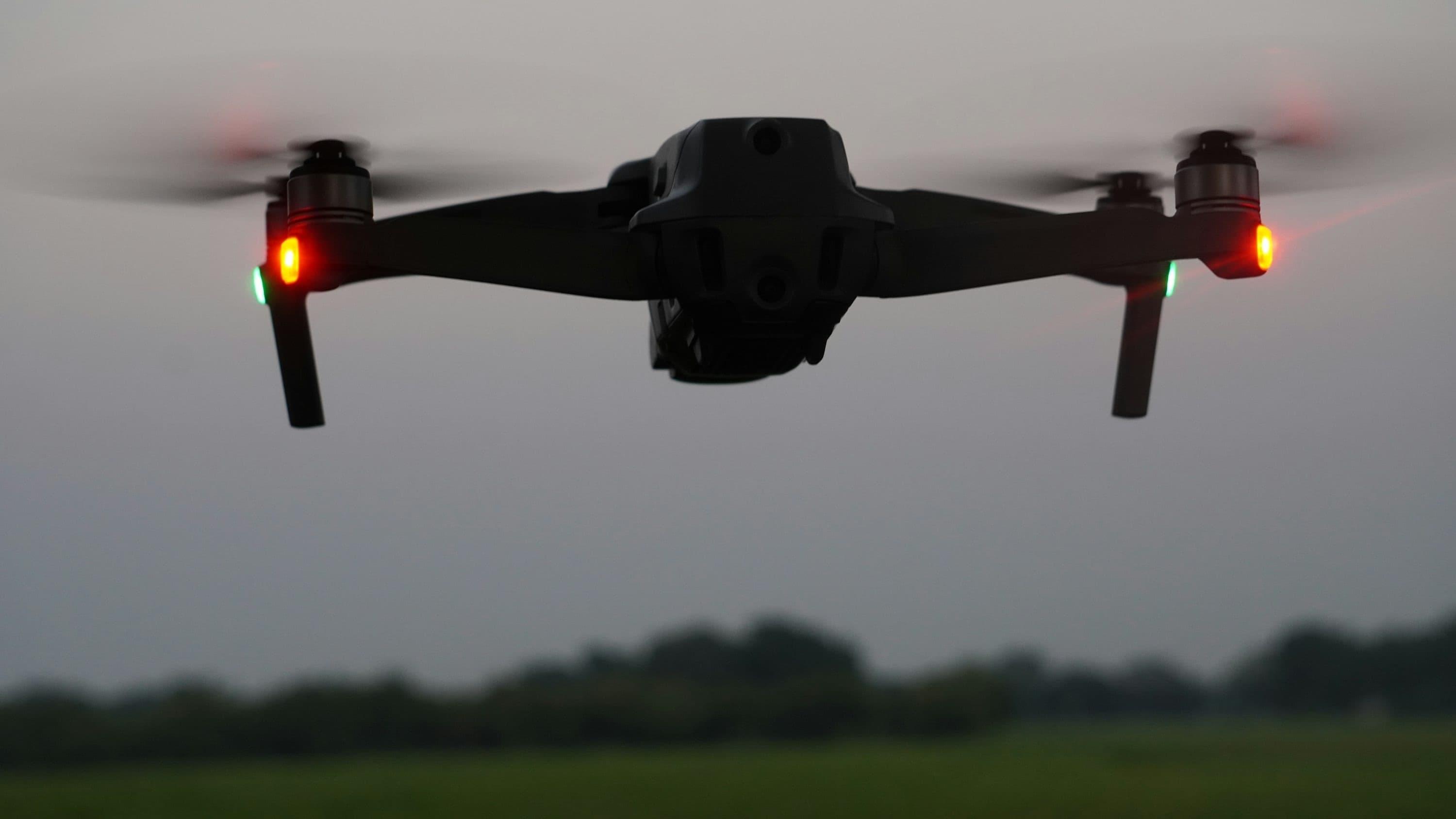
- Shooting in poor weather—always check forecasts in advance.
- Neglecting foreground objects—remember, trees or wires can obstruct views.
- Using drones with outdated cameras—image quality is paramount.
- Disregarding local drone laws or flying in restricted areas.
Advanced Techniques: HDR, Panoramas, and Night Shoots
High Dynamic Range (HDR) images capture nuanced lighting differences, ideal for sunrise or sunset shots. Panoramas stitched from multiple photos provide sweeping vistas of estates and communities. Although night shoots require advanced skills and special permissions, they can showcase illuminated facades or landscape lighting, adding further allure to luxury properties.
Conclusion: Transform Listings with Professional Drone Real Estate Photography
Embracing drone technology is essential for agents wanting to outperform competitors and create memorable property listings. By mastering drone real estate photography—from equipment selection to post-production editing—your listings will consistently attract more views and convert curious shoppers into committed buyers.
FAQs
- How many drone photos should I include in a listing?
- Include 5-10 aerial photos for most residential properties, focusing on unique angles, property boundaries, and proximity to key features.
- Is drone real estate photography expensive?
- Costs can range from $150 to $500 per session depending on location and complexity, but the increased engagement and higher sale value make it a worthwhile investment.
- Can agents fly drones themselves or should they hire a professional?
- If you have the required pilot certification and experience, self-flying is an option. However, professionals bring expertise in composition, editing, and legal compliance that enhance listing quality and safety.