
Elevate Your Artistry: Finding the Best Drone for Professional Photography
If you’re ready to expand your creative potential, selecting the best drone for professional photography could be the most pivotal decision you make. Whether you’re a commercial photographer, an aspiring filmmaker, or a passionate creator seeking unique aerial perspectives, the right drone will elevate your work and unlock new possibilities. In this guide, we’ll break down what to look for, compare top options, and help you master the nuances of drone photography.
Why Professional Drones Are Game-Changers
Modern drones pack technology once reserved for big-budget productions. Top-tier drones offer features like large image sensors, obstacle avoidance, RAW photo formats, and long flight endurance. By understanding these tools, photographers can push creative limits far beyond what traditional equipment allows.
Key Features Defining the Best Drone for Professional Photography
- Camera Quality: Look for drones featuring at least a 1-inch CMOS sensor, adjustable aperture, and 4K (preferably 5.1K or 6K) video. These specs deliver crisp detail and improved dynamic range. Popular sensors include Sony’s 1-inch and Micro Four Thirds formats for larger photosites and superior low-light performance.
- Flight Time & Reliability: Professional shoots demand extended airtime. The best drones offer 25-45 minute flights per charge, allowing ample time for composition and multiple angles. Backup batteries and real-time telemetry are essential for operational reliability.
- Stabilization Technology: Robust 3-axis gimbals ensure video remains silky-smooth even in wind. Mechanical and digital stabilization work together to prevent jitter and blurring, crucial for both stills and moving shots.
- Advanced Flight Modes: Intelligent features like ActiveTrack, automated waypoint missions, and orbit or reveal shots let you automate complicated movements for cinematic results, hands-free.
- RAW File Support: Shooting in RAW photo format is vital, providing extensive post-processing flexibility and preserving image quality.
- Obstacle Avoidance: Multi-directional sensors and advanced algorithms prevent accidental crashes—indispensable in complex environments.
Top Contenders: Which Drone Will Take Your Work to New Heights?
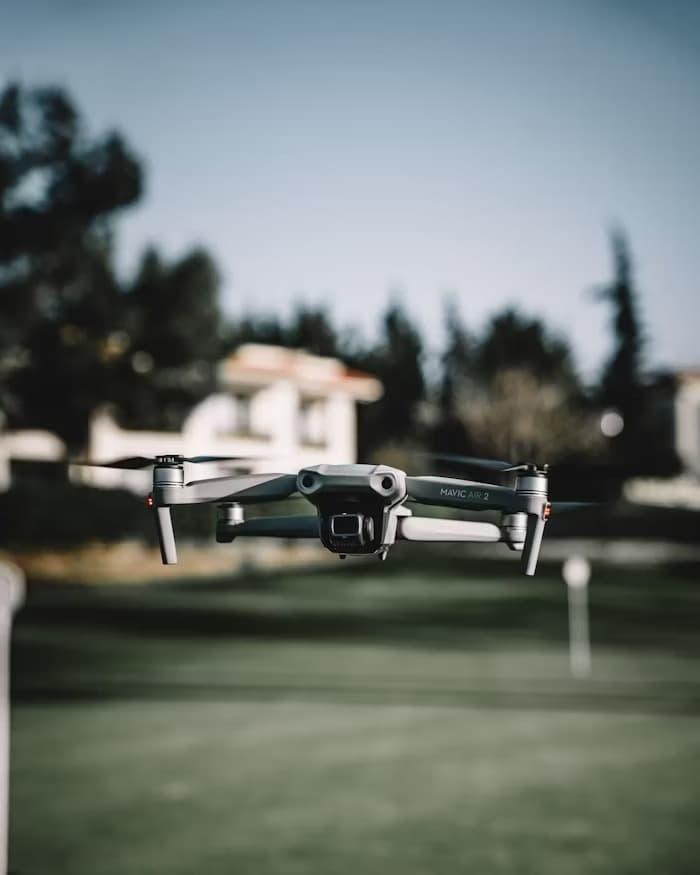
Several professional models consistently rise to the top. Here’s a detailed comparison to help you choose the best drone for professional photography for your unique needs.
| Drone Model | Camera | Flight Time | Obstacle Avoidance | Best For |
|---|---|---|---|---|
| DJI Mavic 3 Pro | 4/3 CMOS, 5.1K video, 20MP stills | 43 min | Omnidirectional sensors | All-around professional use |
| DJI Air 3 | Dual 1/1.3″ sensors, 4K60, 48MP | 46 min | 360° sensors | Portability + advanced features |
| Autel EVO Lite+ | 1″ CMOS, 6K30 video, 50MP stills | 40 min | Three-way sensors | Low-light and high dynamic range |
| DJI Inspire 3 | Full-frame, 8K video, interchangeable lenses | 28 min | 360° sensors | Cinematic production, highest quality |
Considerations Beyond Specs
While specifications paint part of the picture, there’s more to finding the true best drone for professional photography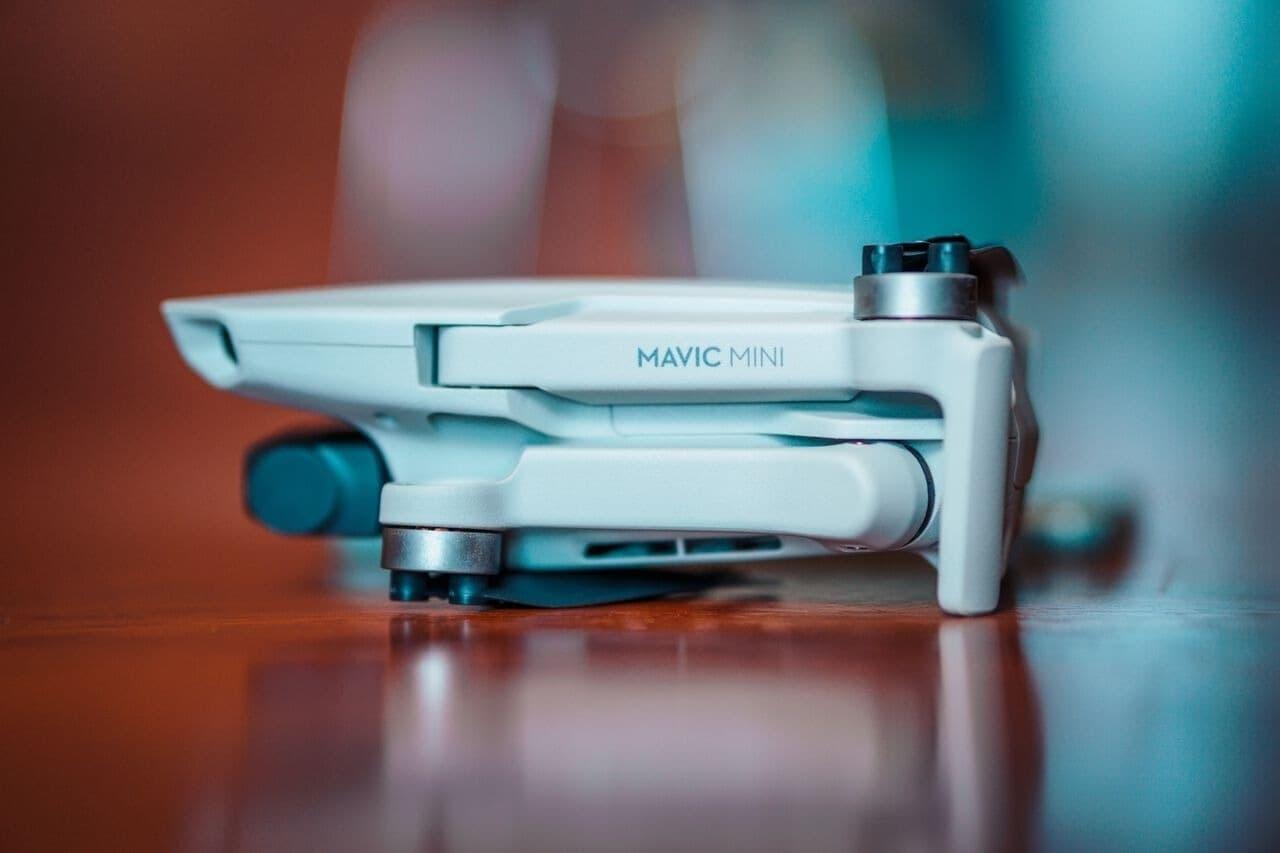 :
:
- Portability: Will you be trekking to remote sites? A foldable, lightweight drone can make travel comfortable without compromising image quality.
- Workflow Integration: Does the drone link seamlessly with your existing editing apps and file storage solutions?
- Aftermarket Support: Factor in warranty, firmware updates, and accessories such as ND filters, extra batteries, or propeller guards.
- Regulations: Professional drones often require registration and sometimes pilot certification; always check local laws before deployment.
Shooting Like a Pro: Tips to Maximize Your Drone’s Potential
- Always plan your flight paths—pre-visualize your shots using Google Earth or 3D mapping apps where possible.
- Leverage manual controls; auto mode rarely captures the full potential of your drone’s sensor in challenging conditions.
- Keep your drone’s firmware up to date for both safety and feature enhancements.
- Use ND filters for smooth, cinematic video motion and better image control in bright light.
- Edit photos in software supporting RAW profiles (like Adobe Lightroom) to unleash the full depth and drama of your aerial shots.
Future Trends: The Next Level of Pro Drone Photography
As the demand for high-end aerial images grows, manufacturers constantly innovate. We’re seeing advances in AI-driven subject recognition, real-time HDR processing, and drones with swappable camera modules—features that further push the boundaries of aerial creativity. Keep an eye on thermal imaging, LiDAR mapping, and optical zoom technology, which are reaching more affordable price points for photographers.
Remember: The best drone for professional photography is the one that fits your workflow, budget, and vision. For some, that means the sharpest lens and the largest sensor. For others, portability and ease of use are essential. Always match the tool to the task—and the story you want to tell.
Frequently Asked Questions
- What is the top drone feature for professional photographers?
- Beyond image resolution, RAW photo capture capability is vital as it preserves maximum data for editing flexibility and publication-quality output.
- How important is battery life in professional drone photography?
- Battery life directly affects shoot planning and coverage. Longer flight times enable more creative angles per session, making efficient batteries a must-have for professionals.
- Are drones with interchangeable lenses worth the investment?
- For commercial and creative professionals, drones like the Inspire 3 with interchangeable lenses offer unparalleled flexibility, allowing photographers to tailor focal length and field of view for each shoot scenario.