
Top Features to Consider When Choosing a Commercial Drone
Commercial drone technology has evolved rapidly, offering businesses advanced tools for data collection, delivery services, aerial photography, and industrial inspections. Selecting the right commercial drone is crucial to maximize efficiency, minimize costs, and ensure mission success. Whether you’re upgrading your fleet or purchasing your first industrial UAV, understanding which attributes matter most is essential.
A major factor in evaluating any commercial drone is flight time. Operational uptime is a game-changer; longer battery life translates to increased productivity, fewer interruptions, and better project execution. Most top-tier commercial drones provide between 30 to 60 minutes of uninterrupted flight, but advanced models can go even further with swappable battery systems.
Another critical consideration is payload capacity. A capable commercial drone should support various cameras, sensors, LiDAR systems, and other tools. The ability to handle diverse equipment allows companies to use a single drone for multiple applications, from agricultural mapping to infrastructure inspection.
Navigation and Obstacle Avoidance Capabilities
Autonomous navigation systems are increasingly common in commercial drone operations. Features like GPS-GLONASS integration, real-time kinematic positioning (RTK), and computer vision enable drones to maneuver safely, even in complex environments. Obstacle detection not only prevents costly accidents but also allows for confident flying near power lines, buildings, and in confined spaces.
- Infrared and ultrasonic sensors for all-directional awareness
- Advance return-to-home functionality
- Geofencing for regulatory compliance
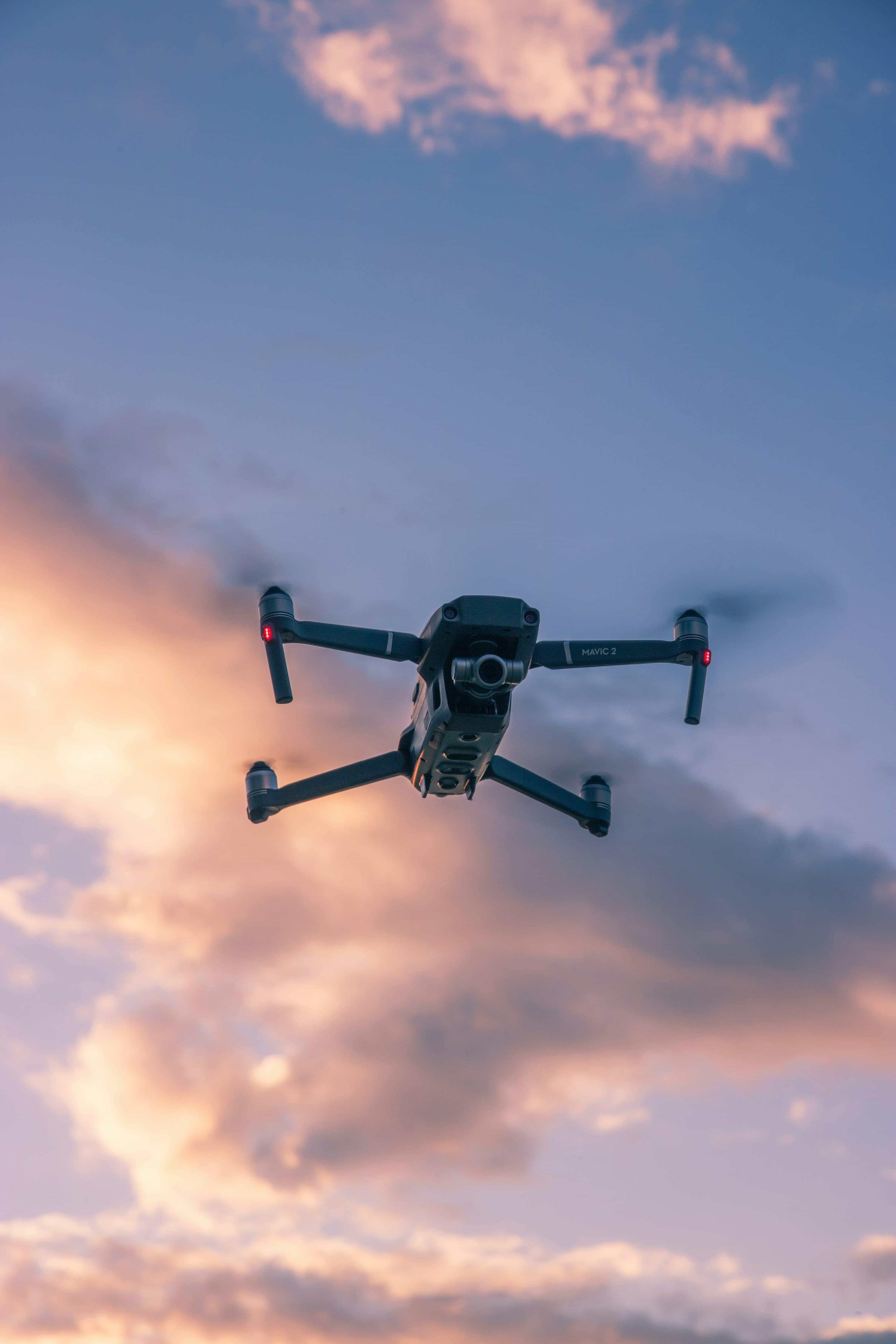
These capabilities help pilots—both novice and professional—focus more on mission objectives and less on risk management.
Camera Quality and Imaging Systems
Transmission Range and Connectivity
Staying operational across vast distances depends on robust transmission systems. Look for drones with encrypted, interference-resistant links, offering reliable control at ranges exceeding several kilometers. Live HD video feeds and seamless data transfer are vital for real-time decision-making.
Commercial drones may incorporate 4G/5G connectivity or dedicated RF protocols for operation in urban or remote zones.
Build Quality and Weather Resistance
Industrial-grade drones must withstand wind, dust, and precipitation, so materials like carbon fiber, magnesium alloy, or ruggedized plastics are favored. Ingress protection ratings (like IP43 or higher) provide reassurance in adverse conditions, and ease of part replacement minimizes downtime.
- Temperature operating range
- Corrosion-resistant coatings
Sturdy landing gear and vibration dampeners safeguard your investment and camera payload.
Software Ecosystem and Smart Features
- Automated waypoint navigation
- Intelligent object tracking
- Cloud-based data syncing
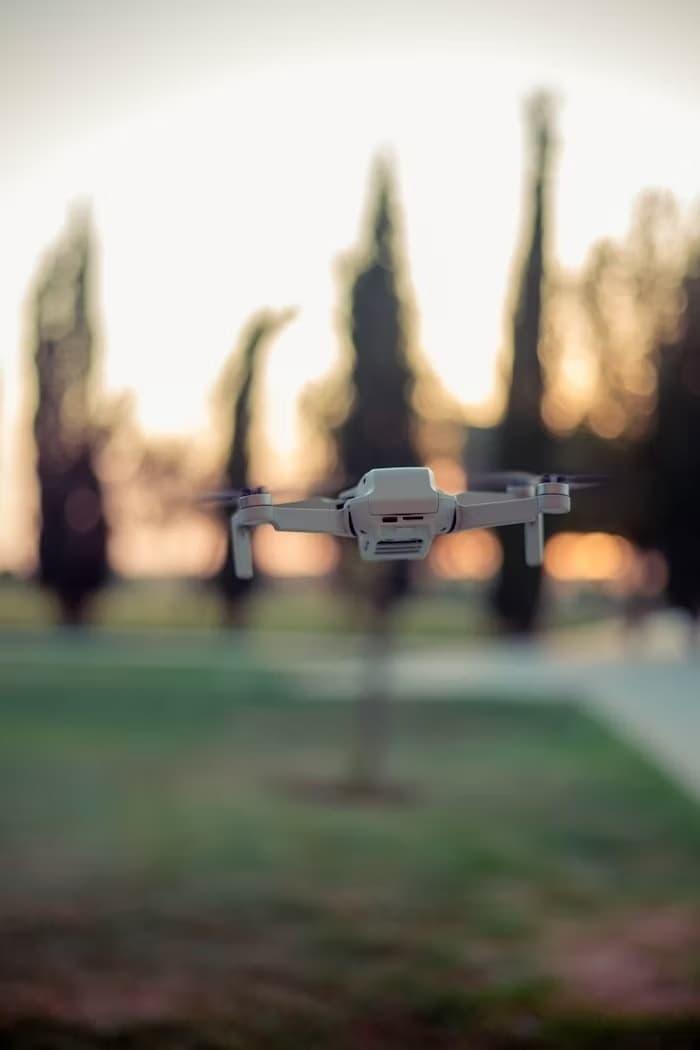
These streamline operations, reduce pilot workload, and enable easy collaboration among field teams and headquarters.
Regulatory Compliance and Safety Protocols
Ensure your commercial drone meets or exceeds local aviation regulations, such as FAA Part 107 certification or CE marking in Europe. Built-in compliance features—like flight logging, automated restriction adherence, and identification broadcasting—minimize legal risks and enhance accountability for your organization.
Maintenance, Support, and Expandability
Access to responsive technical support, spare parts, and software updates can extend your drone’s operational lifespan. Some vendors offer warranty extensions or on-site maintenance programs, vital for mission-critical commercial deployments. Prioritize platforms that allow for hardware expansion, such as modular arms, additional sensor ports, or swappable motors for future-proofing.
Cost Versus Return on Investment
Popular Use Cases for Commercial Drones
- Surveying land and construction progress tracking
- Inspecting power lines, wind turbines, and pipelines
- Precision agriculture and crop health analysis
- Security patrols and search-and-rescue operations
- Cinematography and immersive media production
Each of these domains demands specific drone features. For example, surveying may require RTK support, while agriculture may prioritize multispectral sensors.
Final Recommendations
Before making a purchase decision, assess your unique mission requirements, budget, and regulatory landscape. Request demonstrations, consult with manufacturers, and review testimonials from other commercial drone operators. Investing in ongoing pilot training and staying up to date with the latest drone technologies will safeguard your operations and enhance results.
Frequently Asked Questions About Commercial Drones
- What factors affect a commercial drone’s battery life?
- Battery life can be influenced by payload weight, weather conditions, flight speed, and battery health. Opting for drones designed with high-capacity batteries and energy-efficient motors will help maximize your flight duration.
- Can I fly a commercial drone in restricted airspace?
- Most countries require special permissions to operate drones in restricted airspace. Many commercial drones come equipped with geofencing and flight limitation features to aid compliance, but always check regulations before deployment.
- How important is after-sales support for commercial drone operators?
- Access to prompt support and spare parts can significantly reduce downtime in case of technical issues, making it a crucial factor for business users relying on drones for essential tasks.