The Comprehensive Guide to New York Drone Flight Restrictions and FAA Rules
Operating drones in one of the world’s busiest airspaces—New York—comes with a unique set of challenges and regulations. Understanding New York drone flight restrictions FAA is essential for recreational pilots, commercial drone operators, and hobbyists alike. Whether you’re planning a cinematic skyline shot or surveying construction sites, compliance with local and federal guidelines ensures flight safety and legality.
Overview of FAA Drone Regulations in New York
The FAA governs unmanned aircraft systems (UAS) operations across the United States, including all of New York State and City. Regardless of your experience or intent, if your drone weighs more than 0.55 lbs (250 grams) or is intended for commercial use, you are subject to the Federal rules. The key aspects of the FAA drone laws in New York include registration, airspace authorization, operational limitations, and specific no-fly zones.
Key New York Drone Flight Restrictions
- Airspace Classification: Large sections of New York’s airspace fall under controlled B, C, D, and E classes, particularly around major airports like JFK, LaGuardia, and Newark. Within these zones, drone flights require explicit approval from the FAA through LAANC or DroneZone.
- No-Fly Zones: The City of New York prohibits drone operations in nearly all public parks, landmarks, and within city limits except in designated areas with prior approval. Sensitive sites such as courthouses, correctional facilities, stadiums, and bridges have additional restrictions.
- Altitude Limits: The general ceiling is 400 feet above ground level, unless you are within 400 feet of a structure and not exceeding its height.
- Visual Line-of-Sight: Pilots must always maintain a direct, unaided line of sight with their drone. FPV goggles do not exempt you from this mandate.
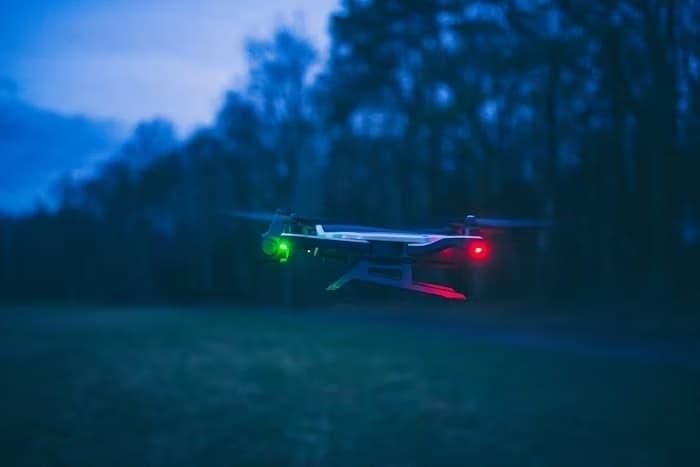
- Night Flights & Lighting: Night operations are permitted but require anti-collision lighting visible from at least 3 statute miles, per FAA Part 107 waivers.
Local Restrictions and Permitting
Beyond federal rules, New York City has some of the strictest local drone ordinances. Legally, drones are considered “aircraft,” and their takeoff and landing are only permitted at five official model aircraft fields. Any other operation requires obtaining a permit from the NYC Department of Transportation or, for commercial flights, a Film Permit from the Mayor’s Office of Media and Entertainment.
Where You Can Legally Fly Your Drone in New York
- Designated Model Aircraft Fields: Flushing Meadows Corona Park, Calvert Vaux Park, Marine Park, Staten Island’s LaTourette, and Forest Park are authorized for drone use with NYCDPR registration.
- Private Property: With explicit landowner consent and no violation of privacy or local airspace restrictions.
- Across New York State: Many counties and towns have their own ordinances, so always check local rules before your flight.
Understanding LAANC and Airspace Authorization in New York
To comply with FAA airspace regulations in New York, pilots often need real-time authorization. The Low Altitude Authorization and Notification Capability (LAANC) app provides rapid approval for most controlled airspace drone flights under Part 107 or recreational rules. Note that national security areas and certain parks may still deny access regardless of LAANC response, making advance planning crucial.
Special Use Cases: Commercial, Media, and Emergency Operations
Commercial operations, drone photography, real estate inspections, or news reporting are all governed by the FAA’s Part 107 rules in New York. In addition to standard requirements—remote pilot certification, registration, and operating within visual line-of-sight—additional waivers or local permits may be necessary. For emergency response, such as police or fire department drone use, agencies often have their own protocols aligned with FAA policy, but may gain rapid airspace access during critical incidents.
Flying Drones Near Landmarks
Are you dreaming of capturing the Manhattan skyline or footage of the Statue of Liberty? Be aware that most landmarks, especially National Parks (Statue of Liberty National Monument) and iconic venues (Times Square, Central Park, Empire State Building), are strictly off-limits for drone flights. The FAA and the National Park Service prohibit takeoff, landing, or operation from these protected areas, and violating these laws can result in hefty fines or criminal charges.
Drone Insurance and Liability in New York
While not mandatory under FAA rules, obtaining drone liability insurance is highly encouraged in New York. Because urban density and property values are high, a single accident can yield significant financial consequences. Many film permit providers or venues in NYC will require proof of insurance before allowing drone operations.
Recent Updates and Future Trends
Both FAA drone laws and New York local ordinances are regularly updated. Trends like remote ID requirements (coming into force nationwide), expanded night operations, and increasing use by emergency services are reshaping how drones are integrated into urban environments. Always stay current by consulting the FAA and NYCDOT before flying.
User Safety and Best Practices
- Always check FAA’s interactive UAS Facility Maps for up-to-date airspace rules.
- Use apps like B4UFLY or Airmap to assess local flight conditions and LAANC zones before launch.
- Respect community privacy—never record or photograph individuals without their explicit permission.
- Carry your FAA registration certificate and, if required, your remote pilot’s license while operating.
FAQs on New York Drone Flight Restrictions and FAA Guidelines
- Can I fly a drone in Central Park or Manhattan?
- No, the NYC Parks Department bans drone flights in parks, and Manhattan airspace faces extreme restrictions. Only permitted activities at designated fields are allowed.
- How do I get permission to fly near JFK or LaGuardia Airports?
- You must request real-time airspace authorization through LAANC or DroneZone, and you will likely be subject to strict altitude and time limits if approved.
- What happens if I violate New York drone restrictions?
- Pilots can face fines, confiscation of the drone, and criminal charges from both the FAA and local law enforcement. Always fly responsibly and know the regulations!