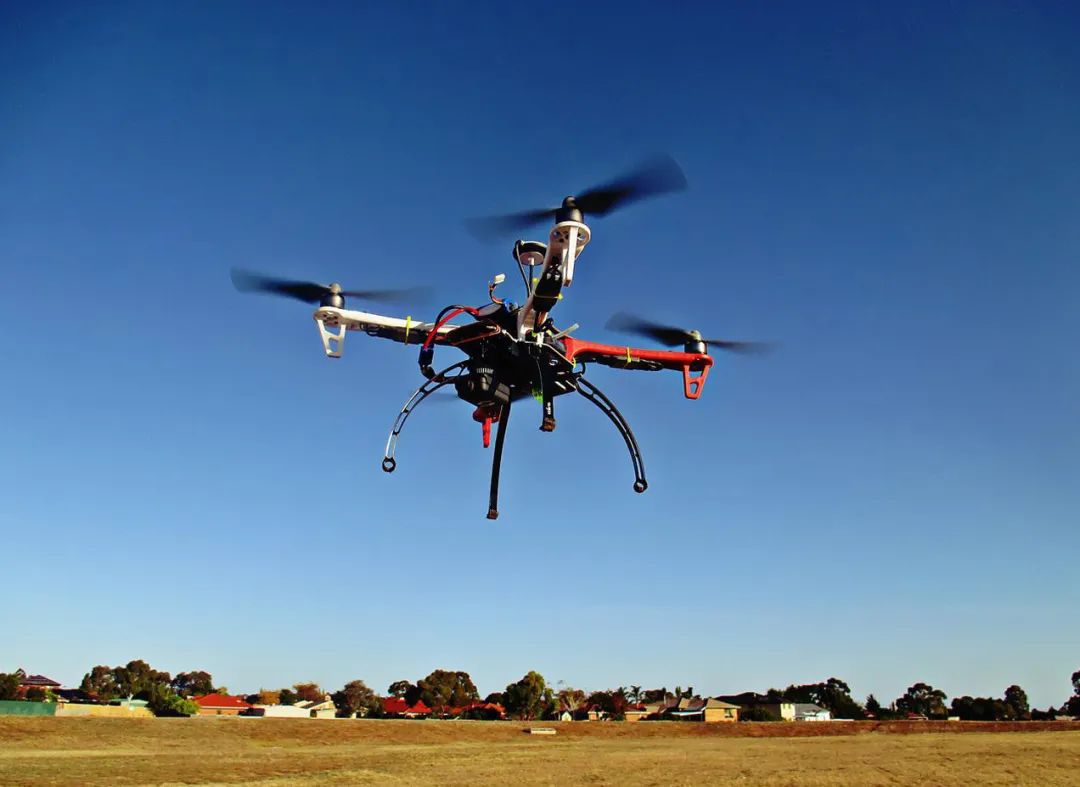
Tapping into the world of drones brings an all-new dimension to aerial exploration, and a drone tracker plays a pivotal role in enhancing your flight experience. Understanding how a drone tracker functions and the benefits it offers can substantially elevate your drone usage, transforming how you navigate the skies.
Understanding the Basics of Drone Trackers
Before delving deeper, let’s begin with the fundamentals. A drone tracker is essentially a device attached to or integrated with a drone to monitor its real-time location. This invaluable tool ensures safety and reliability by providing precise data on the drone’s position, whether you are a professional aerial photographer or a hobbyist eager to explore.
Why a Drone Tracker Is Essential
Many drone enthusiasts often overlook the importance of a tracker, but its significance cannot be overstated. Primarily, it aids in recovering lost drones, a common mishap given the unpredictability of outdoor environments. Moreover, it helps you adhere to regulations by ensuring flight paths remain within authorized zones.
The Technology behind Drone Trackers
A majority of drone trackers utilize GPS technology, providing accurate, real-time updates on the drone’s whereabouts. Some models incorporate additional features such as geofencing, which marks the virtual boundaries within which a drone must operate, and an alert system that notifies users when these boundaries are crossed.
Benefits of Using a Drone Tracker
Utilizing a drone tracker does more than just provide peace of mind—it substantially amplifies the potential of your drone. Here are some of the most notable advantages:
-
Ensures Drone Recovery: Losing a drone can be costly and frustrating. With a tracker, locating a missing device becomes a breeze, saving time and resources.
-
Improves Flight Safety: Knowing the precise location of your drone reduces the risk of accidents, especially in crowded areas or unpredictable weather conditions.
-
Helps with Compliance: Stay within legal boundaries by monitoring flight paths and avoiding restricted airspace, thereby curbing unnecessary infractions.
-
Enables Advanced Features: Many modern drone trackers come equipped with add-on functions like speed monitoring, battery status updates, and more.
The Future of Drone Tracking Technology
Drone tracking technology is rapidly evolving, integrating AI and machine learning to deliver even more sophisticated tracking capabilities. In the future, expect drone trackers to be smarter, predicting flight paths and autonomously preventing potential accidents.
Choosing the Right Drone Tracker
When selecting a tracker, consider factors such as compatibility, range, battery life, and added features. Invest in a high-quality, reliable drone tracker that matches your specific needs to ensure a seamless flight experience.
FAQs on Drone Trackers
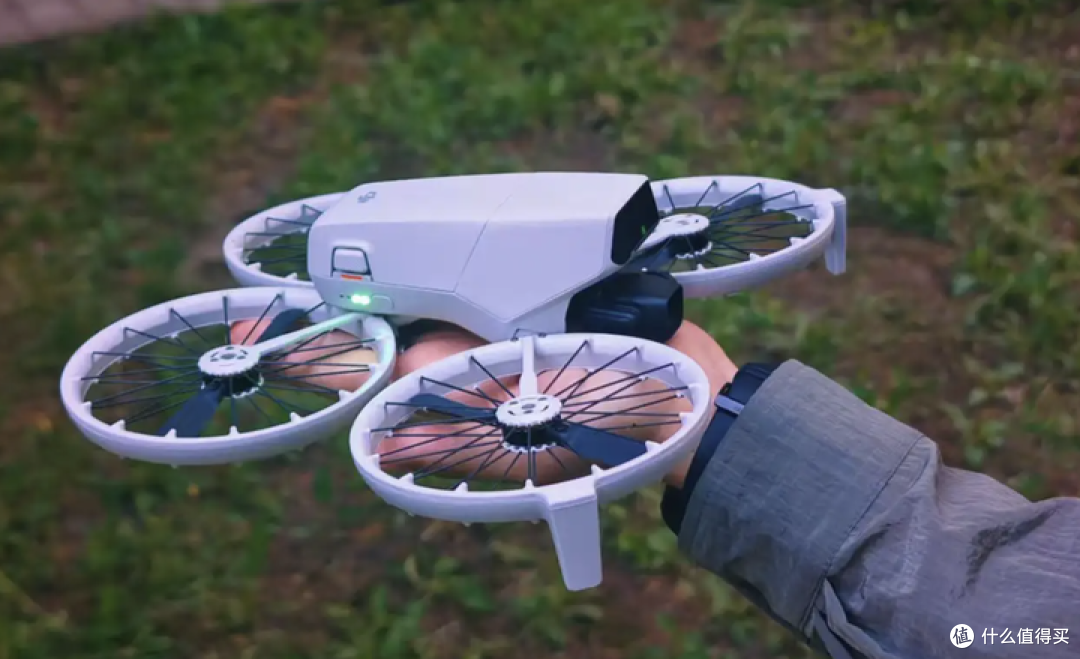
- What happens if a drone flies out of range?
- Usually, drones equipped with trackers will have a “return-to-home” feature, which automatically guides the drone back to the starting point if it ventures too far.
- Are drone trackers expensive?
- Drone trackers vary in price based on features and quality. Entry-level trackers are fairly affordable, while high-end models offer more advanced functionalities at a higher price.
- Can a drone tracker work without GPS?
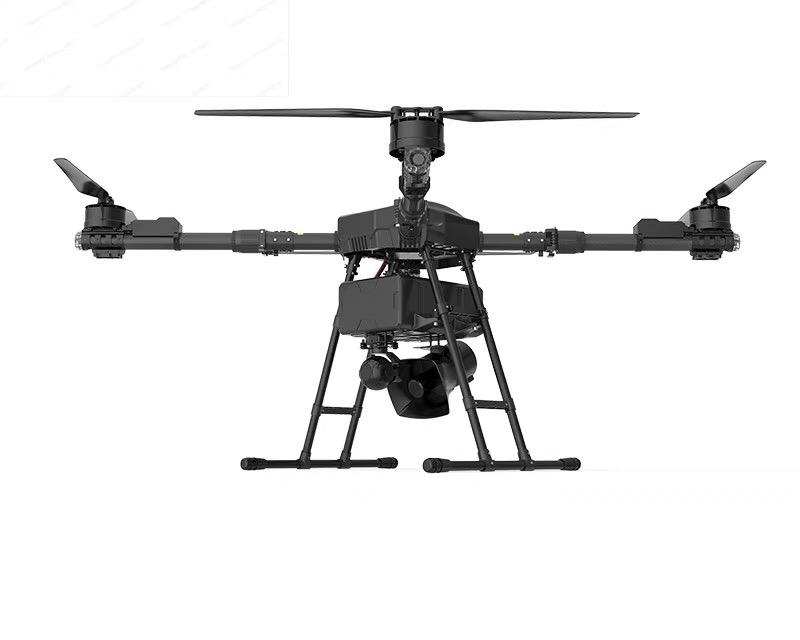
- While GPS is the most common tracking technology, some drones may employ alternative methods such as cellular networks; however, these are often less precise.