
Flying drones has become an increasingly popular hobby and profession, but with the surge in drone usage comes the necessity to adhere to certain regulations, particularly those established by the Federal Aviation Administration (FAA). These FAA drone regulations are designed to ensure the safety of both drone operators and the general public. Whether you are a hobbyist or a commercial drone pilot, it’s crucial to stay informed about the current rules and regulations.
Understanding FAA Drone Regulations
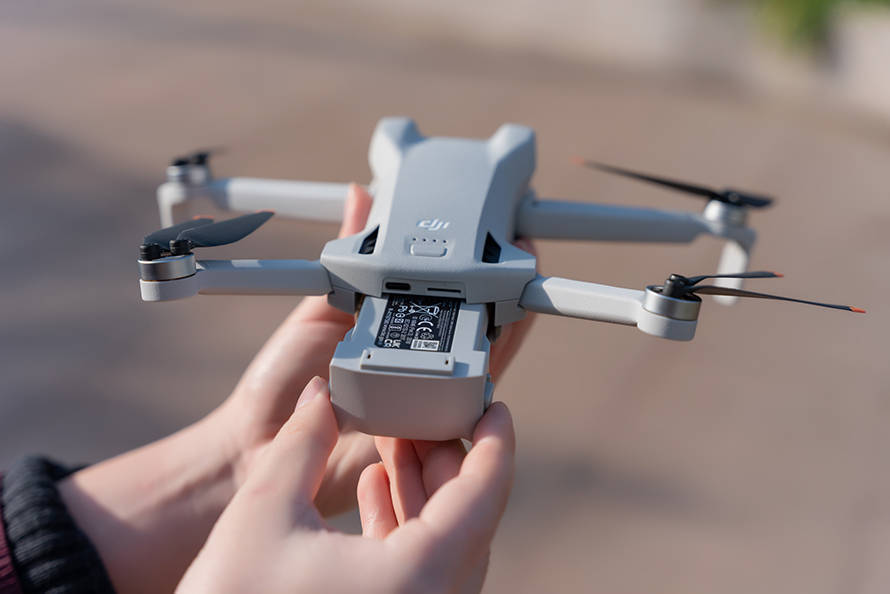
The FAA primarily regulates drones through Part 107 of the Federal Aviation Regulations. This part outlines the rules for small unmanned aircraft operations, covering drones weighing less than 55 pounds. These regulations mandate that drone pilots keep their aircraft within visual line-of-sight, operate only during daylight or twilight, and avoid flying over people or moving vehicles without proper permission.
Registration and Licensing
One key requirement under FAA drone regulations is the registration of all drones. Any aircraft weighing over 0.55 pounds must be registered with the FAA before use. For commercial operators, obtaining a Remote Pilot Certificate is also necessary. This involves passing an aeronautical knowledge test to ensure that operators understand the regulations and safety procedures associated with drone operations.
Restricted Airspace
Drones are restricted from flying in certain areas such as near airports, over national parks, and above military installations. The FAA provides tools to help operators check for restricted airspace, such as the B4UFLY app, which significantly aids in planning safe and compliant flights. Failure to adhere to these restrictions can result in fines and other penalties.
Commercial Drone Operations
For businesses utilizing drones, understanding FAA regulations is even more critical. The usage of drones for commercial purposes such as aerial photography, surveying, or delivery services falls under stricter scrutiny. All operations must be compliant with Part 107, and often require waivers for operations that do not align with standard regulations.
Navigating the Waiver System: The waiver process allows operators to request permission to fly drones in situations normally prohibited. Common waivers include flying beyond visual line-of-sight, operating multiple drones, or flying over people. To apply, operators must demonstrate that they can conduct the operation safely.
Staying Updated
Drone regulations are continually evolving as technology advances and the FAA gains more insights into safe drone integration into national airspace. Participating in FAA forums, subscribing to updates, and completing recurrent training can help ensure compliance and safety.
