
Advanced Features and Applications
Reconnaissance drones come equipped with cutting-edge technology such as high-resolution cameras, thermal imaging, and radar systems. These features enable drones to capture clear images even in adverse weather conditions, making them indispensable for intelligence agencies and disaster management teams. Furthermore, they have expanded their utility into sectors such as wildlife conservation and agricultural monitoring, providing surveillance capabilities that ensure species protection and crop management.
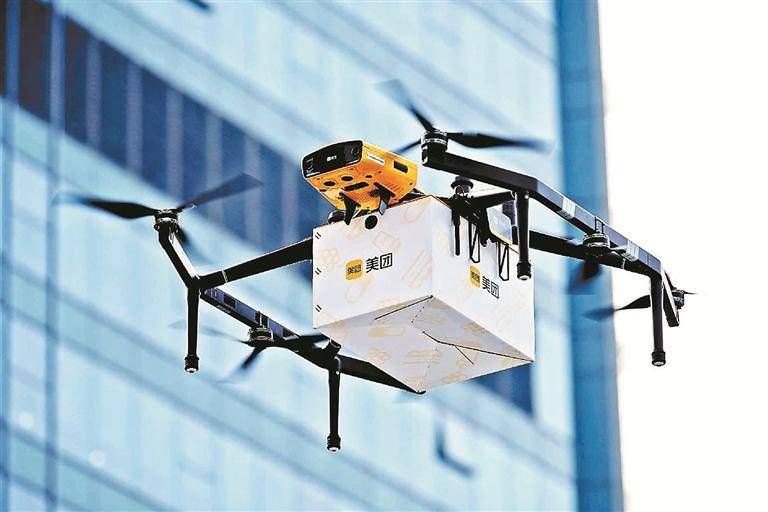 The military benefits significantly from reconnaissance drones which assist in strategic planning and execution. Their capabilities allow for real-time observation and data collection, enhancing battlefield awareness. These drones are silent scouts, providing vital information without compromising stealth. When integrated with AI technology
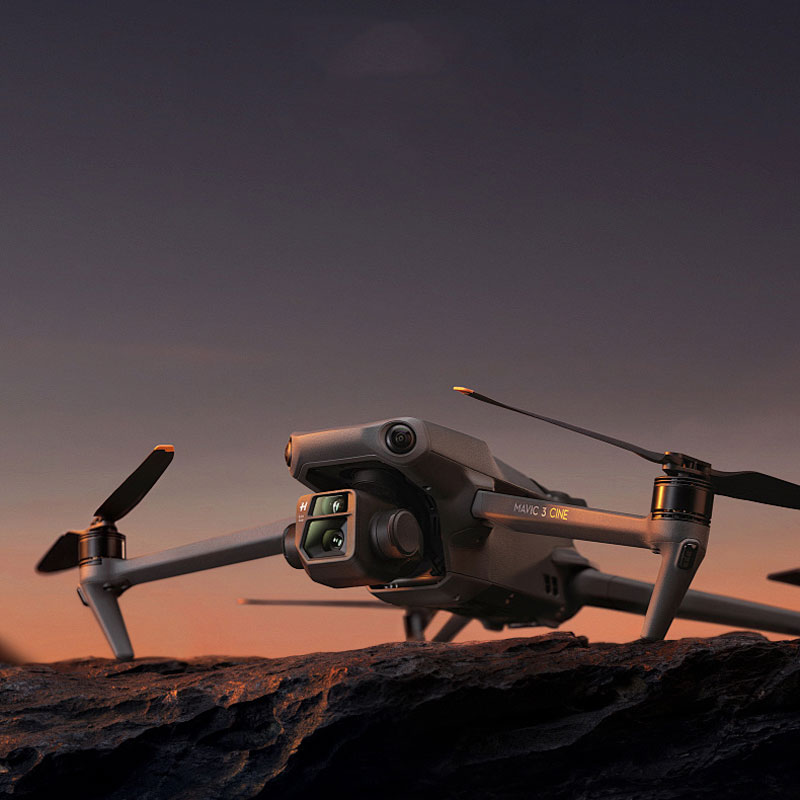 , their effectiveness and efficiency are exponentially improved, offering predictive insights and risk assessment that are crucial for mission success.
Beyond military applications, civilian sectors have adopted the usage of reconnaissance drones for enhanced security and urban planning. Cities harness drone technology for traffic management, infrastructure inspection, and ecological studies, ensuring sustainable development. In emergency scenarios, drones work alongside human efforts to perform critical tasks such as search and rescue operations or delivering essential supplies to inaccessible locations.
Technological Innovations
 The ongoing innovation in drone technology continues to evolve, with advancements such as enhanced battery life, improved navigation systems, and AI-driven analytics. These improvements not only bolster the drone’s operational longevity but also optimize its intelligence-gathering capabilities. The integration of 5G connectivity further paves the way for real-time data transfer, making the drones more responsive and adaptive to dynamic environments.
Advantages Over Traditional Surveillance
The rise of reconnaissance drones stands in stark contrast to traditional surveillance methods. While satellites and ground-based cameras have limitations, drones offer flexibility of movement and the ability to hover or navigate complex terrains. They can access close proximities that are otherwise difficult for ground surveillance systems, offering detailed information that aids in better decision-making.
Challenges and Considerations
Despite their numerous advantages, there are challenges to the widespread adoption of reconnaissance drones. Privacy concerns, regulatory frameworks, and ethical implications are foremost considerations that must be addressed. Ensuring that drone usage complies with legal standards while addressing public apprehensions is vital for seamless integration into society.
What are the key benefits of using reconnaissance drones in surveillance?
A reconnaissance drone offers enhanced observation capabilities, real-time data collection, and the ability to operate in adverse or inaccessible conditions without risking human safety.How do reconnaissance drones support military operations?
These drones provide real-time intelligence, crucial insights, and enhanced situational awareness, facilitating strategic planning and execution with stealth and precision. Can drones be used for non-military purposes?Yes, drones are extensively used in civilian sectors such as agriculture, wildlife conservation, traffic management, and disaster response.