
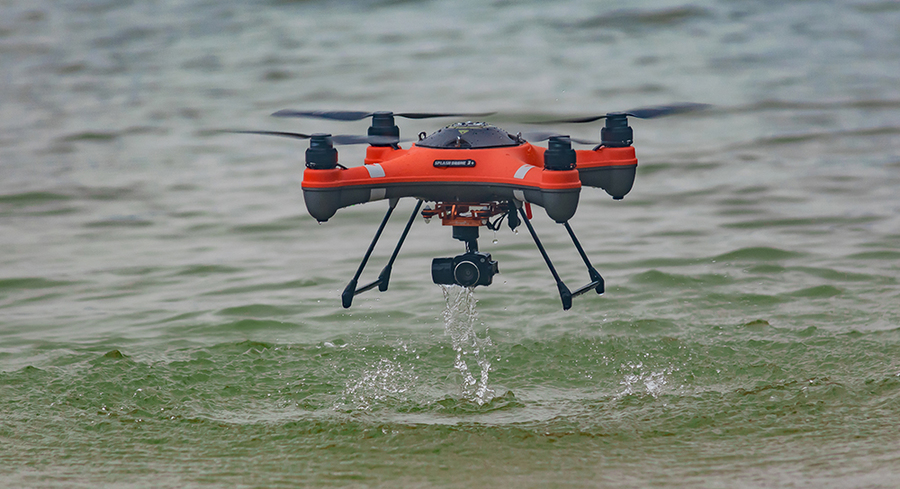
 have emerged as pivotal forces in modern warfare, reshaping strategies and redefining battlefield dynamics. To comprehend their impact, it’s crucial to explore how these unmanned aerial vehicles (UAVs) enhance military operations and face challenges on the international stage. Historically, war tactics relied heavily on manpower, but the introduction of UAV technology has transformed military planning with a focus on technological superiority. Russia’s extensive
investment
in drone capabilities underscores their commitment to achieving strategic advantages.
Russian drones serve several military purposes, from surveillance to tactical strikes. Efficient gathering of intelligence allows for informed decision-making, providing Russian forces with real-time data crucial for target identification and adaptive strategies. This intelligence-gathering capability is one of the primary reasons Russian drones have become indispensable in modern warfare. They possess unparalleled versatility, capable of operating in diverse environments — from urban settings to remote territories. This aspect of Russian drones signifies their role in reducing the risk to human lives while maintaining operational effectiveness.
Another notable aspect of Russian drones is their ability to execute precise strikes. Unmanned strike capabilities minimize collateral damage, aligning with the tactical goals of achieving strategic objectives and objectives without unnecessary human suffering. This precision exemplifies the shift towards more ethical and efficient combat methods, addressing international expectations of humane warfare. Critics argue that increased UAV deployment raises concerns about autonomous warfare and ethical dilemmas, particularly in decision-making protocols involving life and death scenarios.
Furthermore, Russian drones face evolving threats from counter-drone technologies, prompting a continuous innovation race. Countries worldwide are developing
countermeasures
to neutralize drone threats, including electronic warfare tactics and physical barriers. Such developments challenge Russian UAVs to adapt swiftly to stay ahead in this technological race. Additionally, the geopolitical ramifications of Russian drone advancements cannot be overlooked. They contribute to shifting power balances and provoke responses from other nations seeking to augment their own UAV capabilities in retaliation. This global ripple effect highlights how Russian drones influence not just the battleground but international defense policies and alliances.
As we explore the deeper implications of Russian drones, their impact on modern warfare becomes undeniably significant, marking a transition toward a more technologically driven military landscape. Continued investment in Russian drone technology reveals intentions not only to strengthen their national defense but also to exert influence on a global scale. Constant vigilance and adaptation are necessary responses from military strategists around the world.
FAQ:
How do Russian drones compare to drones from other nations?
Russian drones are renowned for their advanced technology, often favoring long-range capabilities and precision strikes. While some countries prioritize stealth, Russian UAVs emphasize resilience and operability in various terrains.
What measures are being taken to counter Russian drones?
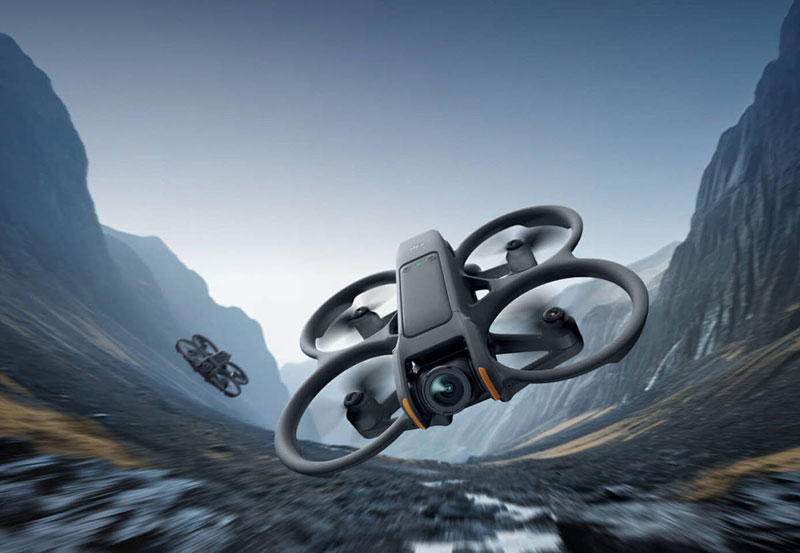 Nations are developing sophisticated counter-drone technologies, including jamming systems and anti-drone weaponry, to mitigate threats posed by foreign UAVs.
Are there ethical concerns with the use of drones in warfare?
Indeed, the use of drones raises ethical questions, especially in terms of autonomous decision-making and the potential for collateral damage. International laws and treaties are being discussed to address these concerns.