
In recent years, the technological landscape has been significantly reshaped by the emergence and rapid development of Chinese drones. These devices have not only augmented surveillance and delivery systems but have also played a crucial role in enhancing various technological sectors worldwide. Given China’s dominant position in the global drone market, it is essential to explore the advancements and impacts these aviation marvels hold.
The Evolution of Chinese Drones
Tracing back to their inception, Chinese drones have evolved from basic remote-controlled aircraft to highly sophisticated, autonomous devices capable of a plethora of functions. Companies like DJI have pioneered this transformation, introducing innovations that have set new benchmarks in the global aviation industry. The development trajectory has been marked by breakthroughs in battery technology, sensor integration, and AI capabilities, enabling drones to perform at unprecedented levels of efficiency and precision.
Key Technological Developments
One pivotal development is the incorporation of Artificial Intelligence and machine learning algorithms, allowing drones to perform complex tasks autonomously. This includes facial recognition, strategic navigation, and real-time data processing. Additionally, advancements in materials science have led to lighter and more durable drone structures, enhancing flight agility and longevity.
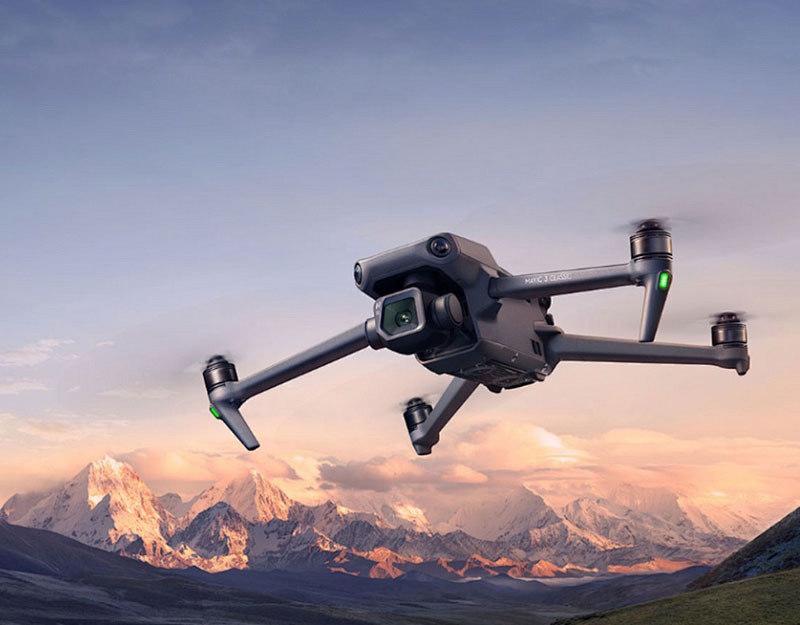
Moreover, battery innovations have pushed the endurance limits of drones, enabling longer flight times and wider operational range. Such developments not only fortify the current capabilities of drones but also lay down a foundation for future growth and innovation in the sector.
Impact on Various Industries
The penetration of Chinese drones in multiple industries underscores their versatile applications. In agriculture, drones have revolutionized crop monitoring and pesticide application, harnessing precision agriculture techniques to optimize yield and resource utilization. The real estate sector benefits from aerial photography and 3D mapping, offering new perspectives and insights into property management.
The impact is pronounced in the logistics sector as well, with drones facilitating last-mile delivery services even in remote and inaccessible regions. This capability is transforming supply chains, making them more efficient and responsive to consumer demands. In the realm of public safety, drones are being used for search and rescue operations, providing rapid response in emergency situations.
Challenges and Considerations
Despite their numerous advantages, the deployment of Chinese drones is not without challenges. Concerns regarding privacy, airspace regulations, and cybersecurity remain pertinent. The technology’s rapid proliferation has outpaced regulatory frameworks, necessitating comprehensive policies that ensure safe and ethical drone usage.
Furthermore, geopolitical tensions and trade dynamics have influenced the international perception and adoption of Chinese drones. These drones’ integration into critical national infrastructure necessitates balanced oversight to mitigate potential risks and maximize benefits.
Future Prospects
The future of Chinese drones in global tech applications appears promising. Emerging trends indicate an increased reliance on drone swarming technology in military and civil operations, promising greater coverage and data acquisition capabilities. Collaborative efforts with global tech firms are likely to spur further innovations benefiting international community.

Frequent Questions on Chinese Drones
- How safe is the data collected by Chinese drones? Most manufacturers employ advanced encryption and secure channels to ensure data integrity. However, users must remain vigilant regarding usage policies and local regulations.
- What are the cost implications of integrating drones into business operations? While initial investment might be significant, drones enhance operational efficiency and can reduce costs over the long term.
- Where is the future heading for Chinese drone technology? The focus seems to be on expanding AI capabilities, improving battery efficiency, and enhancing autonomous functionalities, which will likely broaden their application scope.
In conclusion, Chinese drones continue to shape the technological frontier, creating new opportunities and challenges alike. Their influence on global technology dynamics positions them as both leaders and collaborators in the relentless pursuit of innovation.