
Drones, often associated with modern technology and futuristic concepts, have found profound applications in agriculture, specifically in the realm of crop spraying. Using drones for spraying offers significant advantages over traditional methods, such as efficiency, precision, and reduced environmental footprint. As agricultural technology evolves, the role of drones in spraying becomes more prominent, providing an innovative solution for farmers worldwide.
Drones Spraying: A Game Changer in Agriculture
Incorporating drones into agricultural spraying tackles common challenges faced by farmers. These unmanned aerial vehicles (UAVs) can cover large expanses of farmland quickly while ensuring that pesticides and fertilizers are distributed evenly. Unlike traditional machinery, drones are lightweight, reducing soil compaction, a significant issue in conventional farming methods.
Precision and Efficiency
One of the standout benefits of using drones for spraying is their precision. Equipped with GPS and advanced sensors, drones can map fields accurately and apply sprays with pinpoint accuracy. This level of control minimizes wastage, targeting only the areas that need attention and conserving resources in the process.
Further, drones can operate in difficult terrains and hard-to-reach areas where tractors and other machinery might struggle. This ability to work in diverse environments enhances their appeal as a versatile tool for farmers.
Environmental and Economic Benefits
The precise application of pesticides and nutrients also has environmental ramifications. By reducing over-spraying, drones help diminish chemical runoff into waterways, thereby lessening the agricultural impact on the ecosystem. Economically, drones lower costs by saving time and reducing the need for manual labor, which can be both expensive and scarce. Over time, this translates into greater profitability for farmers.
Advancements in Drone Technology
As technological advances continue, drones are becoming smarter and more effective. Emerging features such as AI integration allow drones to learn and adapt to varied agricultural challenges. For instance, some models can recognize weed species and determine the optimal time for spraying. This intelligence enhances their utility, making automated spraying increasingly reliable.
Safety and Regulatory Aspects
While the benefits are clear, safety and regulatory concerns must be addressed. Farmers need to be aware of local laws governing drone usage and spraying activities. Training and certification may be required to ensure operations are conducted safely and in compliance with regulations. However, as drones become more entrenched in agriculture, it is likely that policies will evolve to accommodate this new technology.
Moreover, drones mitigate some safety concerns associated with traditional spraying. The ability to operate remote-controlled units reduces the risk of human exposure to pesticides, enhancing farm safety.
Real-world Applications and Success Stories
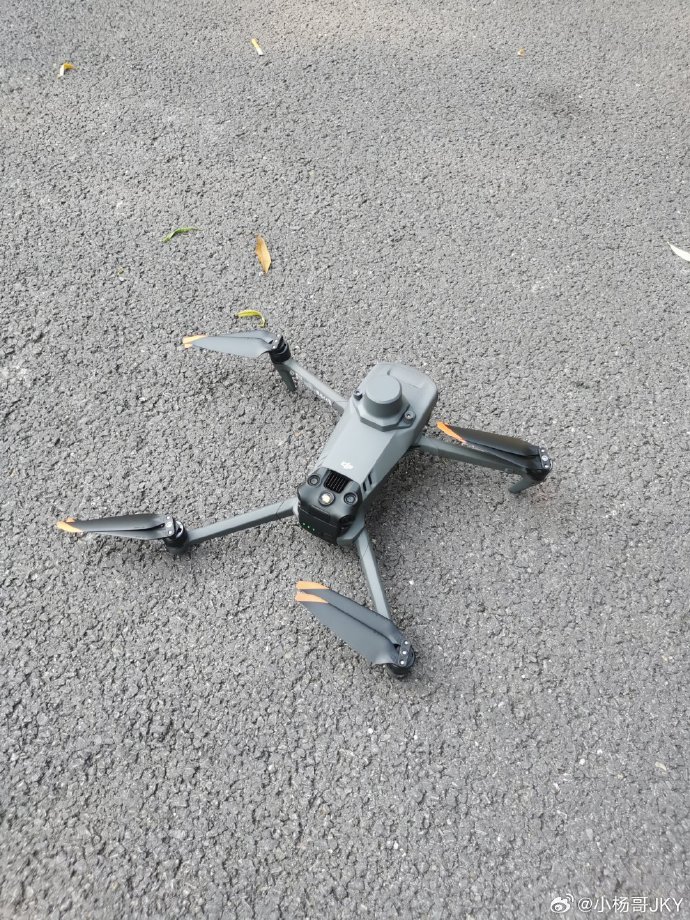
Globally, farmers are adopting drone spraying technology with successful outcomes. For example, in countries like Japan and China, which have smaller farm sizes and dense crop populations, drones prove vital for maintaining extensive growth. These countries exemplify how integrating drones improves yield and efficiency, ultimately sustaining local agriculture and economy.
The Future of Drones in Agriculture
As we look forward, the potential for drones in agriculture is promising. Innovations are expected to improve battery life, payload capacity, and integrate real-time data analytics further. Such enhancements will expand their applications beyond spraying to include tasks like pollination and large-scale crop monitoring.
FAQs
Q: What types of crops benefit most from drone spraying?
A: High-value crops such as vineyards, orchards, and nurseries see enhanced benefits due to precise spray applications, though drones are beneficial for a wide range of crops.
Q: Are drones cost-effective for small farmers?
A: While initial investments might be high, their long-term savings and efficiency gains make drones a cost-effective option. Subsidies and community-sharing models can also help mitigate expenses.
Q: How do drones maintain accuracy in spraying?
A: Drones are equipped with GPS and onboard sensors that ensure precise navigation and even distribution of substances, enhancing spraying accuracy significantly.