
In recent years, the definition of drone has expanded significantly due to advances in technology and increases in their accessibility and usage. Originally associated with military applications, drones have now found roles in various civilian sectors, from agriculture to filmmaking. But what exactly defines a drone today? At its most basic, a drone is an unmanned aerial vehicle (UAV) that is capable of autonomous or remote-controlled flight.
Historical Context
Drones have a fascinating history that dates back to the early 20th century. The term itself was first associated with remotely piloted aircraft used for target practice and training in the military. As technology advanced, so did the capabilities of drones, transforming them into highly sophisticated machines that could perform a wide range of tasks.
Technical Characteristics
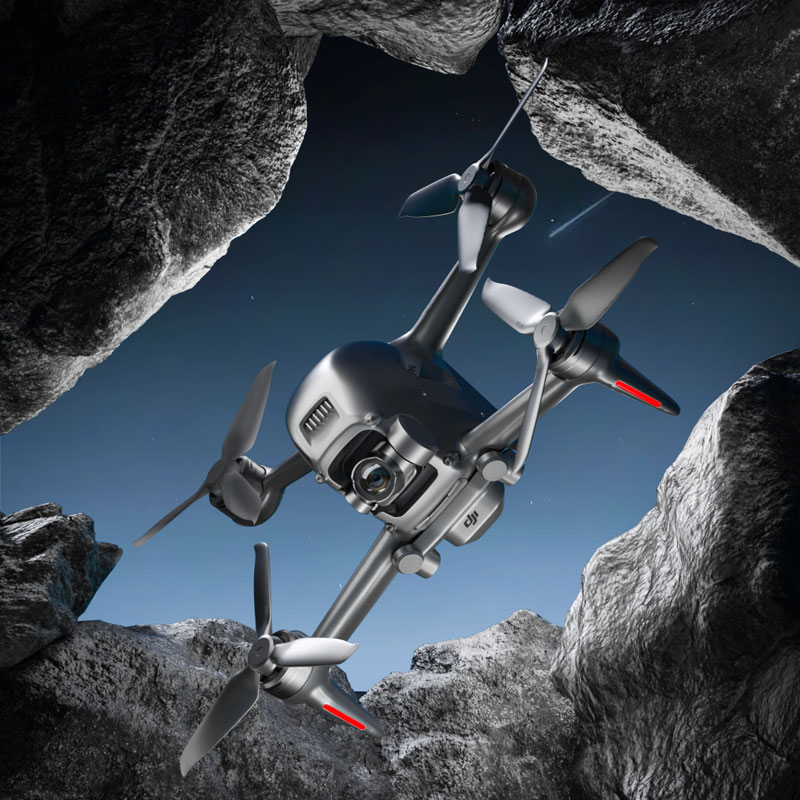
A key aspect of the definition of drone is its technical characteristics. Drones are equipped with various sensors, GPS systems, and sometimes cameras that allow them to navigate and perform complex functions autonomously. The propulsion systems can vary from multi-rotors to fixed-wing designs, each suited for different applications. Moreover, they are powered by electric batteries, making them relatively environmentally friendly compared to traditional aircraft.
Types of Drones
There are several types of drones available today, classified by their design and purpose:
- Quadcopters: The most common form of drones, characterized by four rotors. They are popular in both consumer markets and professional settings due to their stability and ease of control.
- Fixed-Wing Drones: Resemble traditional airplanes and are used for longer flights as they fly forward due to lift from wings rather than relying solely on rotor propulsion.
- Hybrid Drones: Combine the features of quadcopters and fixed-wing drones to provide versatile options for various tasks.
Applications in Various Fields
The application of drones has spread across numerous industries, each redefining their purpose and utility:
- Agriculture: Drones are used for crop monitoring, spraying pesticides, and overall farm management. With the ability to cover large areas quickly, they are transforming agricultural practices.
- Delivery: Companies are exploring drones for package delivery, providing faster service and reaching remote areas more efficiently.
- Filmmaking and Photography: Offering new perspectives, drones have revolutionized the way filmmakers and photographers capture scenes, allowing for dynamic aerial shots.
- Search and Rescue: Equipped with thermal cameras and sensors, drones assist in locating missing persons and aiding disaster response teams.
Legal Considerations
The rise in drone usage has prompted regulatory bodies to establish guidelines to ensure safety and privacy. This involves registering drones, adhering to flight restrictions, and understanding airspace laws. It’s crucial for drone operators to stay informed about these regulations to avoid penalties.
Challenges and Concerns
While drones offer remarkable benefits, they also present challenges. Security and privacy concerns are at the forefront, with unmanned devices capable of potentially intrusive surveillance. Moreover, there are technical limitations such as battery life and flight range that continue to be hurdles for developers.
Looking Ahead
As technology advances, so too will drones. Innovations in AI and battery technology are set to enhance their capabilities, making them faster, smarter, and more efficient. The definition of drones will undoubtedly evolve, shaped by both technological breakthroughs and changing societal needs.
Frequently Asked Questions
What is the basic definition of a drone?
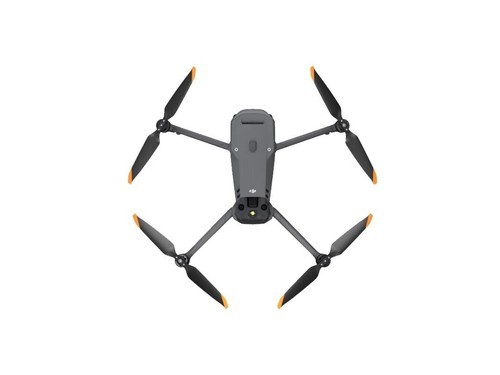
A drone is generally defined as an unmanned aerial vehicle that can operate either autonomously or be controlled remotely. It comprises sensors, GPS, and sometimes cameras, and is powered predominantly by electric batteries.
How are drones used in agriculture?
Drones are utilized in agriculture for monitoring crops, spraying pesticides, and managing farm operations. They offer a fast and efficient way to cover large areas quickly, improving farm productivity and efficiency.
What are the legal requirements for flying a drone?
Drone operators must adhere to legal guidelines such as registering their devices, respecting designated flight restrictions, and being aware of national and local airspace rules to ensure safety and privacy.