
Exploring Advanced Anti-Drone System Technology
The rapid proliferation of drones has introduced both opportunities and challenges across different sectors. Anti-drone systems are at the forefront of technological advances to address concerns posed by unauthorized or potentially dangerous drone activities. These systems employ a variety of sophisticated techniques to detect, track, and neutralize drones, ensuring safety and security.
Key Components of Anti-Drone Technology
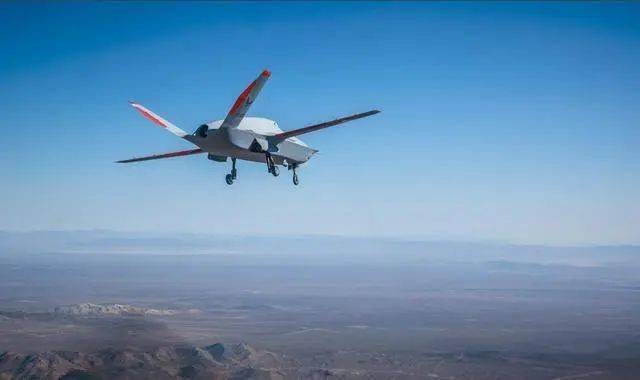
The core of any anti-drone system revolves around its ability to detect and track drones effectively. Detection methods often include the use of radar, acoustic sensors, radio frequency (RF) analyzers, and infrared systems. Each of these technologies plays a pivotal role in identifying unmanned aerial vehicles (UAVs) in diverse environments.
- Radar Systems: Utilized for their ability to track drones over large distances and in various weather conditions.
- Radio Frequency Analyzers: These systems identify and classify drones by scanning and analyzing their communication frequencies.
- Acoustic Sensors: Effective in environments where sound plays a major role in monitoring and detection.
Neutralization Techniques
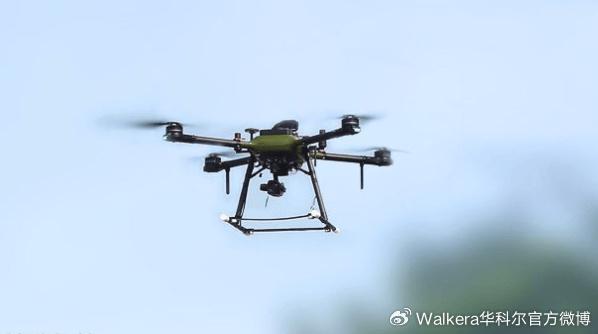
Once a drone is detected, neutralizing it safely becomes paramount. Anti-drone systems can employ several methods, including signal jamming, mechanical capture, and direct energy weapons.
Signal Jamming
This method involves disrupting the communication link between a drone and its operator, rendering it inoperative. Signal jamming is often effective for drones relying on GPS or radio frequencies for navigation.
Mechanical Capture
Offering a non-destructive solution, mechanical capture involves the use of nets or other devices to physically intercept and capture drones, ensuring they cannot compromise the safety of restricted areas.
Direct Energy Weapons
These sophisticated weapons use laser or microwave technologies to disable drones without causing collateral damage.
As countries and private entities invest in anti-drone technologies, ongoing research continues to bring more innovative solutions to the market. Through advances in machine learning and artificial intelligence, today’s anti-drone systems are becoming increasingly autonomous, capable of making real-time decisions with minimal human intervention.
Applications of Anti-Drone Systems
Various industries benefit from integrating anti-drone technologies, ranging from military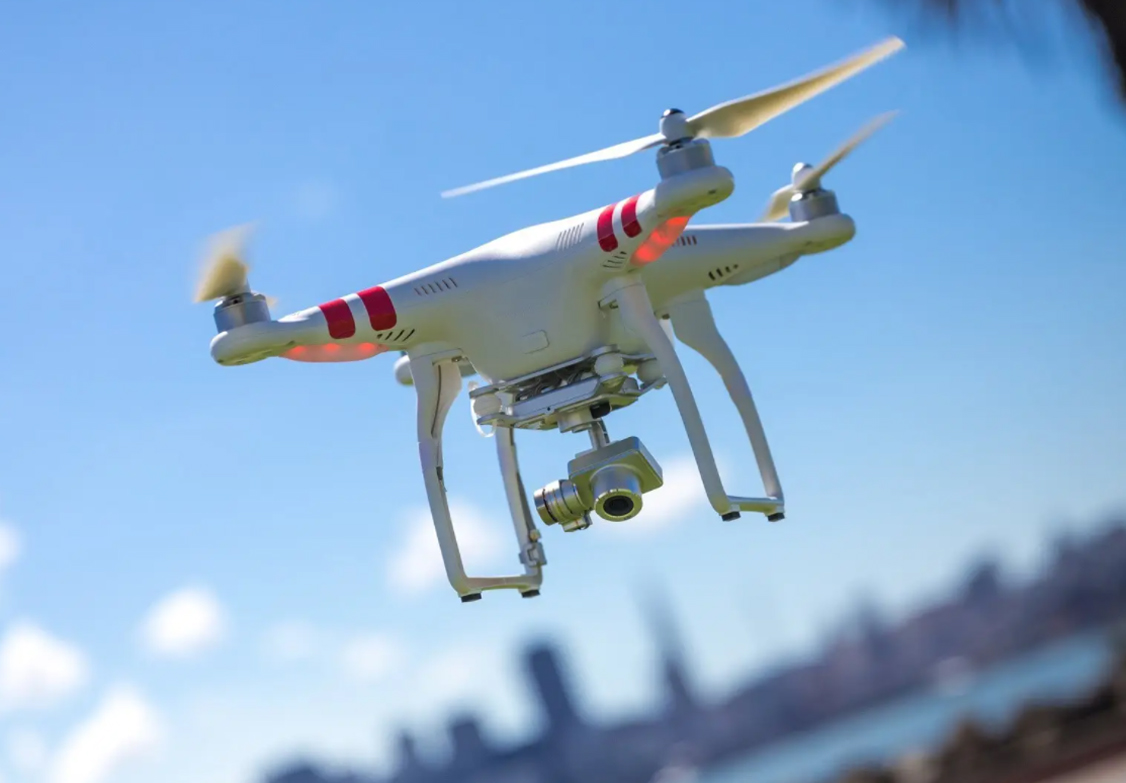 to commercial sectors.
In military applications, drones can pose a serious threat to national security. Anti-drone systems offer crucial defense mechanisms by ensuring airspace remains uncontested and secure. In commercial realms, notably airports and stadiums, anti-drone solutions prevent UAVs from entering prohibited zones, protecting both the infrastructure and the population.
Future Prospects
Looking ahead, the evolution of anti-drone systems will likely witness a tighter integration of cybersecurity measures, protecting against the hijacking of anti-drone mechanisms themselves. Additionally, as drones become more advanced with increased autonomous capabilities, anti-drone solutions must evolve to counteract sophisticated UAV technologies.
Frequently Asked Questions (FAQ)
What are the legal implications of deploying anti-drone systems?
Legal implications vary by jurisdiction. Deploying such systems typically requires adherence to aviation regulations and obtaining pertinent permissions from national aviation authorities.
Are there portable anti-drone solutions available?
Yes, portable solutions have been developed, often used by security personnel to safeguard events, private estates, or temporarily high-risk areas.
Can anti-drone systems differentiate between different types of drones?
With advancements in AI and sensor technologies, modern systems are increasingly capable of identifying and categorizing drones based on size, type, and potential threat levels.