
In recent years, the role of Pentagon drones has expanded significantly, influencing various aspects of modern warfare and enhancing surveillance capabilities. As technological advancements continue, the use of drones has led to a transformation in military strategies, with implications that resonate globally. The Pentagon’s investment in drone technology underscores its pivotal role in shaping the future of defense operations.
The Evolution of Drone Technology
Drones have evolved from basic reconnaissance tools to sophisticated assets capable of carrying out complex missions. Initially, these unmanned aerial vehicles (UAVs) were used primarily for intelligence gathering, but advancements have enabled them to engage in precision strikes, electronic warfare, and logistic support. This evolution has made drones integral to U.S. military operations, showcasing their versatility and efficiency.
Modern drones are equipped with high-resolution cameras, sensors, and even weaponry, allowing for a wide range of applications. The Pentagon has developed both large, powerful models for long-range missions and smaller, more agile drones for tactical operations, each serving specific strategic needs.
Strategic Advantage Through Drones
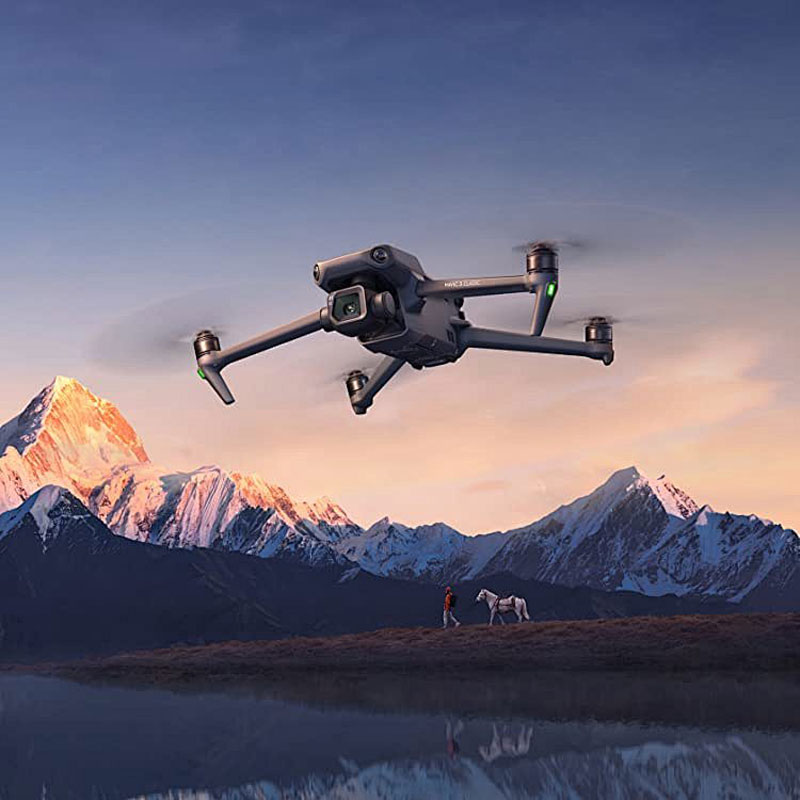
The application of Pentagon drones in warfare provides a strategic advantage by offering real-time data, reducing the risk to human life on the ground and increasing mission flexibility. Drones can be deployed in areas deemed too dangerous for human operatives, ensuring that missions can proceed without putting military personnel at risk. Furthermore, their ability to loiter over targets for extended periods allows for comprehensive surveillance and intelligence gathering, which is critical for making informed military decisions.
Pentagon drones have significantly reduced the time between target identification and engagement, a process known as the “kill chain,” by providing immediate surveillance and strike capabilities.
Impact on Surveillance
Besides combat applications, drones play a crucial role in surveillance. They are utilized for border monitoring, anti-terrorism missions, and tracking illegal activities. The ability to deploy drones rapidly makes them ideal for swift response scenarios, where traditional methods might fall short.
The surveillance capabilities of drones are particularly valuable for intelligence agencies. They allow for covert monitoring from significant altitudes, providing comprehensive oversight without alerting subjects to their presence. This ability helps in the collection of actionable intelligence, thereby supporting national security objectives.
Future Prospects
Looking ahead, the Pentagon is expected to increase its reliance on drones, integrating AI and machine learning to enhance autonomous decision-making processes. These advancements will further streamline operations, improve targeting accuracy, and potentially reduce operational costs.
Emerging technologies such as swarm drones, which operate in coordinated groups, promise to revolutionize airspace engagement and defense mechanisms. These drones, capable of executing complex maneuvers, will offer unprecedented tactical advantages.
Despite their advantages, the use of drones raises ethical questions, particularly concerning surveillance privacy and the potential for civilian casualties. These challenges necessitate the development of comprehensive policies and regulations to address issues surrounding the use of drones in military and non-military scenarios.
FAQs
- What are the primary uses of drones by the Pentagon?
 The Pentagon primarily uses drones for surveillance, intelligence gathering, precision strikes, border monitoring, and logistic support in military operations.
 - How do Pentagon drones affect civilian privacy? While drones enhance security through surveillance, they raise concerns about privacy. Regulatory frameworks are needed to balance security with individual rights.
- Are there future advancements planned for Pentagon drones? Yes, future advancements could include AI integration, swarm technology, and improved stealth capabilities to enhance effectiveness and operational reach.