
The past few decades have witnessed the rapid integration of drones in America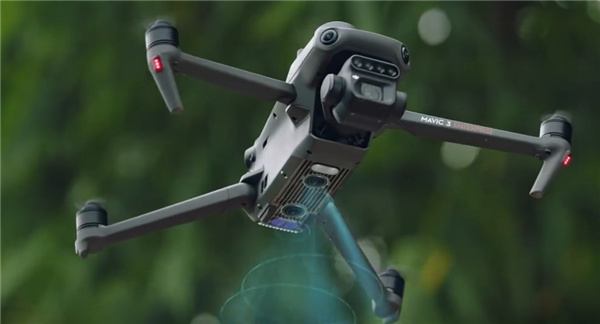 , leading to significant innovative strides and posing unique challenges. These unmanned aerial vehicles (UAVs) have evolved from military origins to become pivotal in commercial and recreational sectors. Their versatility is re-shaping industries, facilitating delivery services, and enhancing security measures. Understanding the dynamics within this landscape highlights the technological advancements and regulatory hurdles that define this field.
Innovative Applications of Drones in Society
The application of drones spans various sectors. In agriculture, drones are revolutionizing farming practices by enabling precision agriculture. They monitor crop health, evaluate field conditions, and even facilitate targeted pesticide applications. Amazon and Google are major players exploring drone delivery services, a concept that promises to bolster logistics by ensuring rapid and efficient parcel delivery. The implications of drones in photography and filmmaking are profound, offering breathtaking aerial views that are both innovative and accessible.
Challenges and Regulations
While the benefits are abundant, deploying drones comes with its set of challenges. Regulatory bodies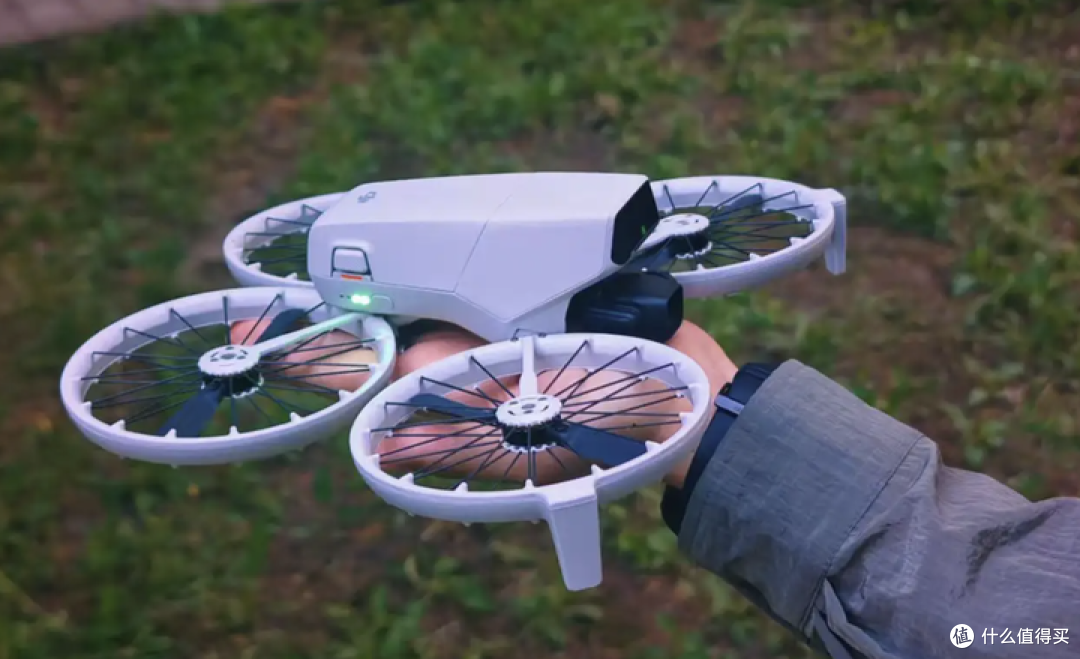 like the Federal Aviation Administration (FAA) must establish guidelines to ensure safety without stifling innovation. Issues around privacy, airspace regulation, and security arise as drones become pervasive. The need for comprehensive laws is paramount, ensuring that drones are used responsibly and safely.
Technological Advancements Driving Growth
Technologically, the capabilities of drones are constantly evolving. Advancements in GPS technology, battery efficiency, and machine learning are propelling drones towards greater autonomy and efficiency. These have implications for disaster response, where drones can swiftly analyze damage and aid in rescue operations during critical moments. Innovations in AI allow drones to map terrains and conduct operations without human control, heralding a new era of autonomous flight.
As recognition of drones’ potential increases, so does the investment in research and development. Emerging technologies promise to refine drone operations and broaden their applicability.
The Future of Drones: Balancing Opportunities and Risks
Looking forward, the integration of drones presents both immense opportunities and considerable risks. As UAVs become entrenched in everyday life, the balance between innovation and regulation will be crucial. Ensuring that technological growth does not compromise safety or privacy requires continued dialogue between tech companies, regulators, and the public. The future trajectory of drones will likely be defined by this collaborative effort.
Drone technology is poised to transform industries, create new markets, and redefine what is possible from an aerial perspective. Stakeholders must navigate the complexities of operating in shared airspace, thus requiring robust frameworks to manage the coexistence of drones alongside traditional aircraft.
Frequently Asked Questions
How do drones impact privacy concerns?
Drones raise privacy issues due to their surveillance capabilities. Regulatory frameworks must evolve to safeguard citizen privacy while allowing the beneficial use of drones.
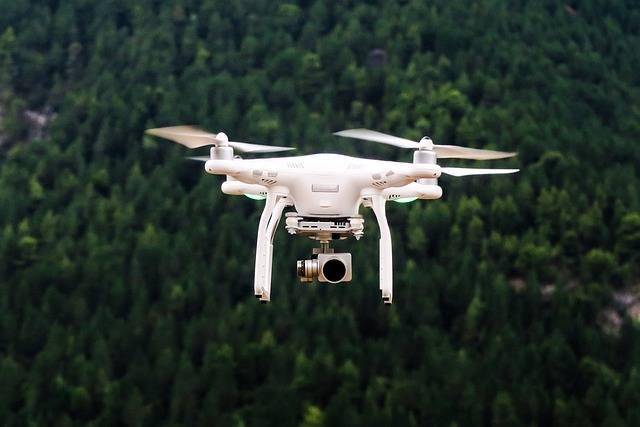
Are there restrictions on where drones can fly?
Yes, the FAA has established specific guidelines on where drones in America can operate. This includes restrictions around airports, national parks, and certain urban areas.
What advancements can we expect from future drone technology?
Future advancements are likely to include improvements in battery life, AI capabilities, and enhanced sensor technology, leading to more efficient and autonomous drone operations.