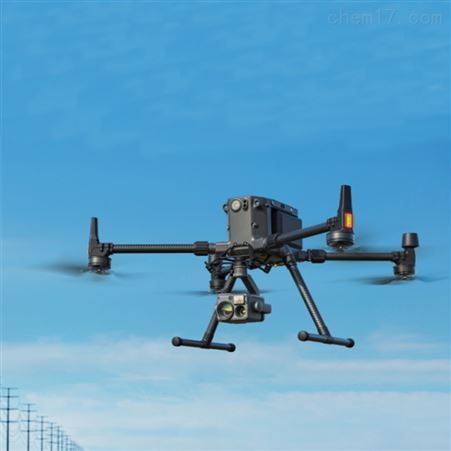
Drones, once hailed as the harbingers of technological advancement, have seemingly faded from the spotlight. But what happened to the drones that were once supposed to revolutionize industries and even personal experiences? When unmanned aerial vehicles first emerged, they were met with great expectations across sectors such as agriculture, surveillance, delivery services, and even entertainment.
The Evolution of Drones
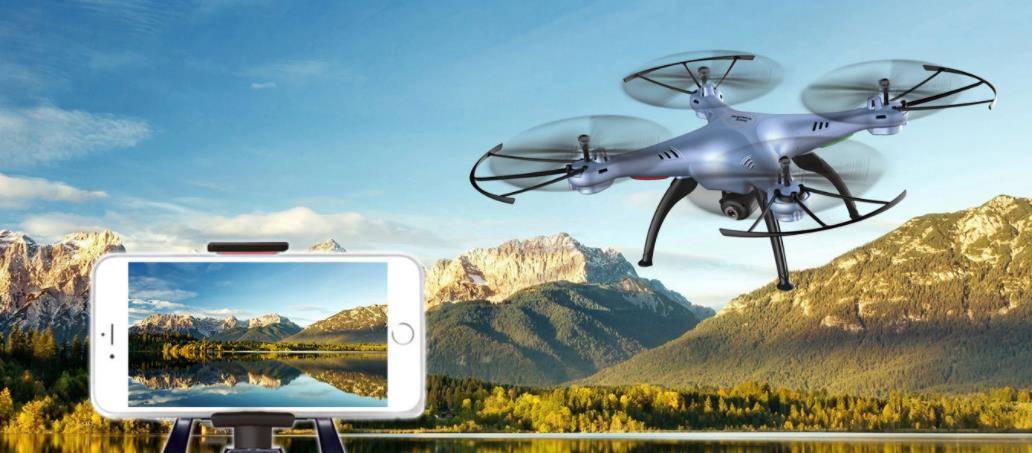 It seems like the promise of drones was extensive.
Drones initially found quick integration into military applications due to their ability to conduct surveillance and tactical operations without risking human life. Quickly, the potential for civilian use was recognized, with companies like Amazon experimenting with drone deliveries. So, where are these delivery drones now? Many major players anticipated drones as the future of instant delivery service, but regulatory challenges and logistical issues have somewhat hampered widespread implementation. Despite numerous tests and trials, the complex navigational logistics and legal restrictions put a halt to rapid adoption.
Current Drone Applications
In agriculture, drones are being used to monitor crops, spray fertilizers, and identify pest issues, showcasing that drones have indeed found their place in more niche markets. Likewise, search and rescue operations have implemented drones to cover terrain inaccessible by foot or vehicles. However, why haven’t they made a broader impact? Several factors contribute to the limited perception of drone proliferation.
Firstly, regulations surrounding airspace usage and privacy have resulted in slow adjustments and implementations. Governments around the world are cautious about drones flying freely, fearing potential risks to civil aviation and concerns regarding privacy infringements.
Moreover, technology yet needs to solve some challenges related to battery life and operational range. Drones are typically limited by their ability to maintain flight for prolonged periods; thus, they are less effective for long-duration tasks without needing frequent recharges.
- Drones are still perceived as a novelty rather than a necessity.
- Costs associated with drones can be prohibitive.
This has led to an individual consumer market that is more aimed at enthusiasts or hobbyists, rather than the mainstream consumer.
Future Prospects
Will drones re-emerge as the technological marvel they were once predicted to be? Industry experts suggest that innovations in AI and machine learning will open up new possibilities, enabling drones to become more autonomous and efficient. Security and privacy features will also need to evolve to garner public trust. As urban planning integrates AI-driven technologies, drones will likely witness a resurgence in their application, potentially transforming city landscapes.
FAQ
- Why are drones not commonly seen delivering packages?
- Numerous regulatory challenges regarding airspace and logistical complexities have slowed the adoption of drones for packages.
- Are drones useful for agriculture?
- Yes, they are being used to monitor, spray, and analyze crops, greatly aiding agriculture.
- Will drones get better in the future?
- Industry anticipates advancements in AI, battery technology, and regulatory changes that may increase their efficiency and use.