
Understanding Thermal Imaging Technology
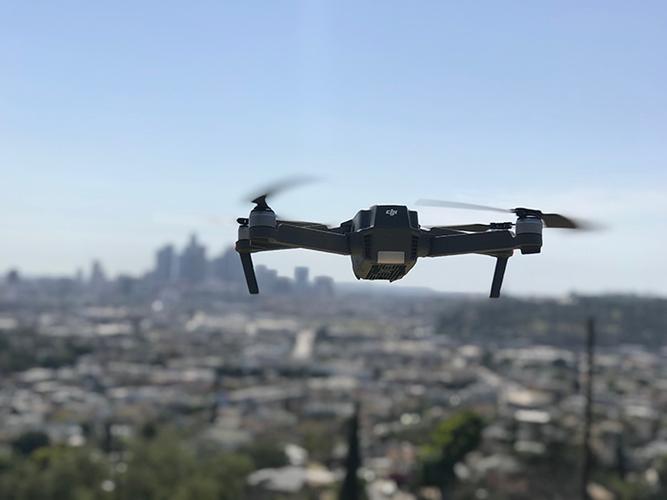
Thermal imaging technology enables drones to detect infrared radiation, which is emitted by all objects due to their thermal energy. This technology translates this radiation into visible imagery, allowing users to identify and analyze temperature variations across different landscapes or objects. This capability is especially useful in detecting heat loss, mapping temperature gradients, and identifying individuals or animals in low visibility scenarios.
Applications of Thermal Camera Drones
The versatility of thermal camera drones is showcased in numerous industries. In agriculture, they help farmers monitor crops and assess soil health, leading to more efficient farming practices. In construction, these drones survey buildings for heat loss or structural issues, promoting energy efficiency and safety. Search and rescue teams utilize them to locate missing individuals during nighttime or in challenging environments, dramatically improving response times and success rates.
The Role of Thermal Drones in Wildlife Conservation
Wildlife conservation efforts have significantly benefited from thermal camera drones. Researchers use them to track animal movements and monitor population sizes without disturbing their natural habitats. This non-intrusive method provides comprehensive data that supports conservation strategies and improves our understanding of ecosystem dynamics.
Recent Advances and Future Prospects
The latest innovations in thermal camera drone technology promise even greater capabilities. Recent advancements include enhanced image resolution, longer flight times, and improved sensor accuracy. These developments allow for more detailed analyses and broaden the potential applications of thermal imaging drones. As technology progresses, we anticipate further integrations of AI and machine learning, which will augment the analytical capabilities of these drones, leading to smarter data processing and actionable insights.
Challenges and Considerations
.jpg)
Despite their potential, thermal camera drones face certain challenges. Privacy concerns and regulatory limitations might restrict their deployment in some areas. Additionally, users must consider weather conditions that can affect thermal imaging accuracy. Addressing these challenges requires ongoing dialogue among stakeholders to ensure responsible use while maximizing the benefits of this technology.
Frequently Asked Questions about Thermal Camera Drones
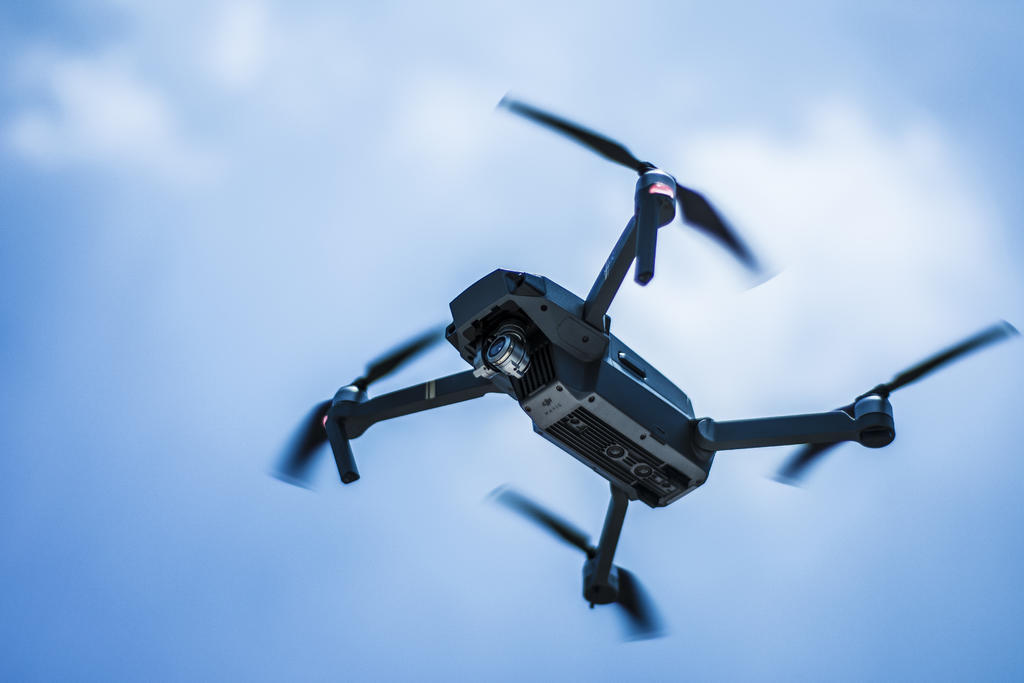
- How do thermal camera drones work in extreme weather?
Thermal camera drones are designed to function in various weather conditions, but extreme temperatures may affect battery life and sensor accuracy. It is advisable to use drones with weather-resistant features for optimal performance. - Are thermal camera drones difficult to operate?
Most drones equipped with thermal cameras are user-friendly, designed with intuitive controls and interfaces. However, users should undergo proper training to maximize their effectiveness and ensure safe operation. - What are the regulatory considerations for using thermal drones?
Regulations vary by region, but generally, operators must adhere to drone usage laws, which may include obtaining permits for certain applications and respecting privacy concerns. Familiarize yourself with local drone regulations before deployment.
Thermal camera drones continue to transform industries and provide new ways to interact with the environment. As technology evolves, they will play an increasingly prominent role, offering unparalleled opportunities to enhance efficiency, safety, and scientific research.