
The art of landing a drone on a designated pad is a skill that requires precision and practice. Whether you’re a hobbyist or a professional, understanding the nuances of drone pad landing can significantly improve your flying performance and safety. This article explores various tips and techniques integral to mastering drone pad landing.
Preparation for a Successful Drone Pad Landing
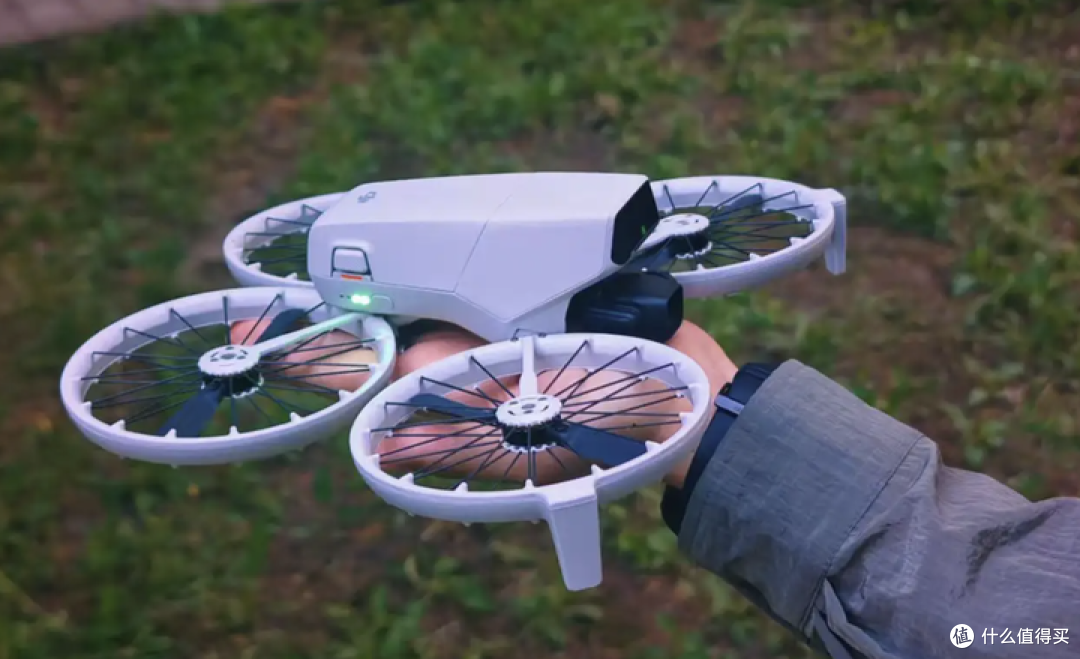
Preparation is key in any successful drone pad landing. Ensure your drone is in optimal condition before takeoff. Check for any loose parts, malfunctioning sensors, or depleted batteries. Also, make sure that the landing pad is placed on a flat and stable surface. It helps to have a clearly marked pad with contrasting colors, allowing for better visibility during descent.
The Importance of Navigation Systems
Modern drones come equipped with advanced navigation systems that aid in precise landings. GPS plays a crucial role in guiding the drone to the right spot, minimizing human error. Familiarize yourself with the drone’s navigation capabilities, as understanding these systems can make the landing process smoother and more efficient. Utilize GPS mode and optical sensors to ensure a controlled descent onto the drone pad.
Manual Control vs. Automated Landings
One key area of focus is deciding between manual control and automated landings. Manual control provides a more hands-on approach, allowing pilots to account for unforeseen conditions like wind or obstacles. However, automated landings have become increasingly reliable, offering precision through programmed algorithms. For beginners, experimenting with both methods offers valuable insights into the best practices for various circumstances.
Understanding Wind Conditions
Wind can dramatically affect your landing process. Prior to landing, assess the wind direction and speed. Flying against the wind can cause the drone to overshoot the designated landing area. By managing throttle and ensuring the drone approaches gradually against the wind, you can achieve a stable and accurate landing.
Practice Makes Perfect
The most effective way to master drone pad landing is continuous practice. Set up mock landing scenarios with different environmental factors. This can include various wind conditions, obstacles, and different landing pad sizes. Record each landing to analyze what adjustments can enhance performance. Over time, you’ll naturally develop an instinct for precise landings.
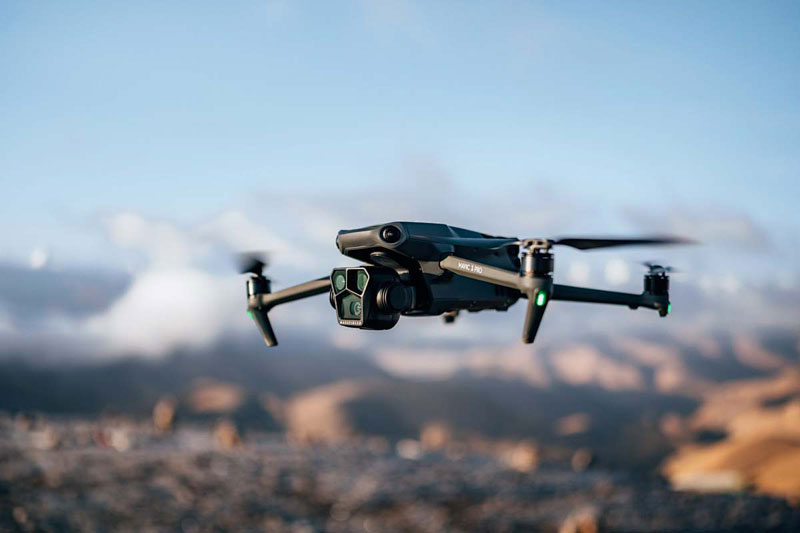
Choosing the Right Equipment
The equipment you choose significantly impacts landing success. Consider drones that come with landing assist features or those that allow you to customize settings for specific landing strategies. Investing in high-quality equipment ensures reliability and enhances your ability to land effectively on your drone pad.
However, skill is just as important as technology, so allocate time to improve your manual flying skills.
Is it possible to land a drone on any surface? While most drones are equipped for versatile landings, using a designated drone pad is recommended for precision and safeguarding the drone from environmental factors like dust or uneven terrain.
Do I need special training to perform drone pad landings? Although special training is not mandatory, attending workshops or courses can significantly sharpen your landing skills, making you adept at handling complex scenarios.
Can weather conditions impact drone pad landing? Yes, wind, rain, and even temperature variations can affect drone performance. Always assess conditions before attempting a landing for best results.