
In recent years, the development of AI drones has significantly transformed aerial technology, bringing about revolutionary changes across various sectors. These advancements in AI drone technology have enabled drones to perform complex tasks with unprecedented efficiency and precision.
The Evolution of AI Drone Technology
AI drones have revolutionized the way industries approach tasks that were once considered challenging or impossible. The integration of artificial intelligence with drone systems has endowed them with capabilities such as autonomous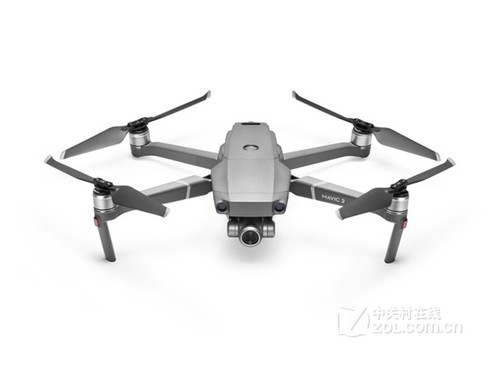 flight, obstacle avoidance, and precise targeting.
- Autonomous Flight: AI drones can navigate complex environments without human intervention, offering reliable solutions for remote monitoring and surveillance.
- Obstacle Avoidance: Advanced sensors and AI algorithms enable drones to identify and avoid obstacles, ensuring safe and efficient operation.
- Precise Targeting: The accuracy provided by AI technology allows for precision targeting in applications ranging from package delivery to agricultural monitoring.
Applications of AI Drones
The applications of AI drones are vast and varied, extending across different sectors and industries. Here are some notable areas where AI drone technology is making a significant impact:
1. Environmental Monitoring
AI drones are used to monitor wildlife, track ecological changes, and gather crucial data for environmental conservation efforts. Their ability to access hard-to-reach areas without disturbing the ecosystem is invaluable.
2. Agriculture
In agriculture, AI drones assist in crop monitoring, pest control, and yield estimation, providing farmers with timely data and insights that enhance productivity.
3. Security and Surveillance
AI drones have become an integral part of modern security systems, providing real-time surveillance and threat assessment for both public and private sectors.
4. Disaster Management
In disaster scenarios, AI drones can swiftly assess damage, locate survivors, and deliver essential supplies, proving crucial in saving lives and resources.
Challenges and Future Prospects
While AI drone technology continues to advance, it does face challenges such as regulatory hurdles, privacy concerns, and the need for robust security measures to prevent misuse. However, the future looks promising with ongoing research and development aimed at expanding AI drone capabilities.
The potential for AI drones extends beyond current applications, with researchers exploring new possibilities such as urban air mobility and even space exploration.
As AI technology becomes more sophisticated, we can expect AI drones to become even more integral to various aspects of life, offering solutions previously thought to be the realm of science fiction.
Frequently Asked Questions
1. How do AI drones enhance security measures?
AI drones offer enhanced security by providing real-time surveillance, patrolling areas efficiently, and identifying potential threats using sophisticated algorithms.
2. What are the limitations of current AI drone technology?
Despite their capabilities, AI drones face limitations such as weather constraints, limited flight times due to battery constraints, and regulatory restrictions impacting deployment in certain regions.
3. How do AI drones ensure privacy during operations?
The privacy of individuals and communities is a significant concern, addressed through measures like ensuring data encryption, providing transparency in operations, and adhering to stringent regulations regarding data collection and use.