
Flying a First Person View, or FPV drone, offers an exhilarating experience, akin to being in the cockpit of an aircraft. But what precisely does FPV drone mean? At its core, an FPV drone is designed for an immersive flight experience, providing a live video feed from the drone’s camera to the pilot’s goggles or screen.
FPV flying differentiates itself from traditional line-of-sight piloting, as it allows the pilot to navigate as if they were on board. This experience is made possible by incorporating a camera on the drone, which transmits real-time video back to the pilot. The sense of immediacy and presence is much greater, making FPV a preferred choice for drone racers and enthusiasts who seek that adrenaline rush.
The Components of an FPV Drone
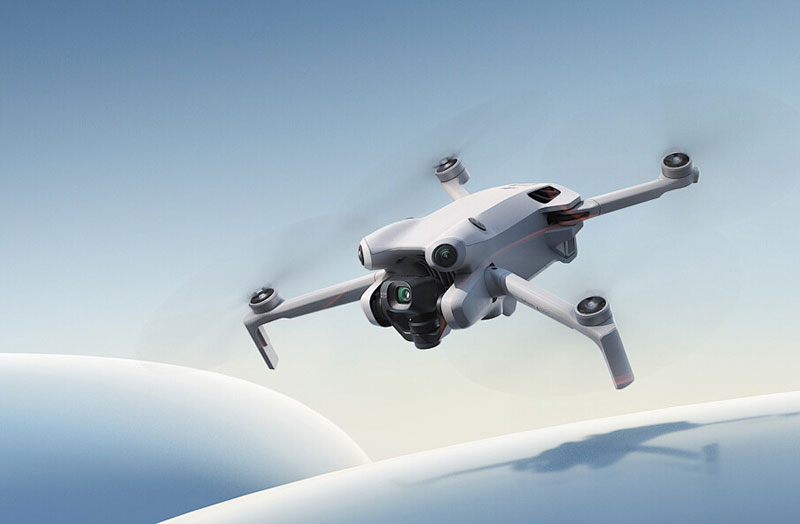
To understand the fpv drone definition, it’s crucial to delve into its components. The primary components include the drone frame, motors, and electronic speed control (ESC), as well as the flight controller, which serves as the ‘brain’ of the drone.
Camera and Video Transmitter
The camera on an FPV drone is often paired with a video transmitter (VTX) that sends footage to the pilot. This real-time stream is typically received by a pair of FPV goggles or a monitor, giving the pilot an in-flight view of the surroundings as if they were soaring through the skies themselves.
FPV Goggles
FPV goggles are a popular choice for many FPV drone pilots. They allow for a full immersion flight experience and often support varying frequencies for video transmission, maximizing the pilot’s field of view and minimizing latency. The advanced technology behind these goggles can dramatically improve the FPV flying experience.
Applications of FPV Drones
FPV drones are utilized in various fields due to their unique capabilities. From racing to filming, these drones provide endless possibilities. Drone racing, in particular, has become an exciting competitive sport, requiring agility and speed as pilots navigate around courses at breakneck speeds.
Moreover, FPV drones also play a significant role in content creation. Cinematographers use them to capture dynamic footage that would be nearly impossible with traditional drone setups. The FPV drone’s ability to maneuver swiftly through tight spaces while maintaining stable recording makes it invaluable for such purposes.
Key Benefits of FPV Drones
- Immersive Experience: Offers a fascinating and virtual first-person perspective that creates a sense of being in the pilot’s seat.
- Higher Precision: Allow pilots to perform precise movements and maneuvers, which are crucial in environments requiring careful navigation.
- Versatility
 : Serve a multitude of applications, from professional racing to capturing high-quality video content.
FPV Drone Challenges
Despite their advantages, FPV drones pose challenges, especially for beginners. The experience requires a refined skill set to manage drone controls effectively. Pilots must acclimate to the unique FPV perspective before they can navigate confidently.
FAQs About FPV Drones
What types of FPV drones are there?
FPV drones come in various types, including ready-to-fly models often favored by beginners, to custom-built racing drones preferred by more advanced pilots. Understanding your intended use will guide your choice significantly.
What is necessary to start flying FPV drones?
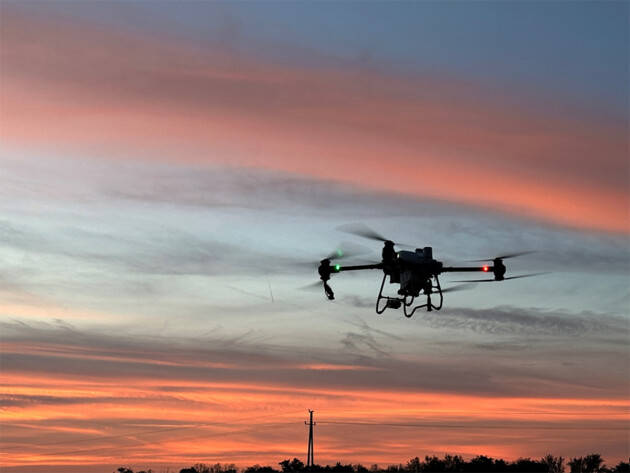
To begin flying FPV drones, a basic setup includes the drone, a radio transmitter, FPV goggles, and some batteries. Additionally, familiarizing yourself with relevant drone laws is essential before starting.
Do FPV drones require any special licensing?
Depending on your location, certain regulations might necessitate that FPV ~drone pilots obtain a license, especially for FPV racing or commercial use. Always check local guidelines to ensure compliance.
Understanding FPV drones allows for greater appreciation of their applications and benefits, making them thrilling innovations both in technology and recreational flying.