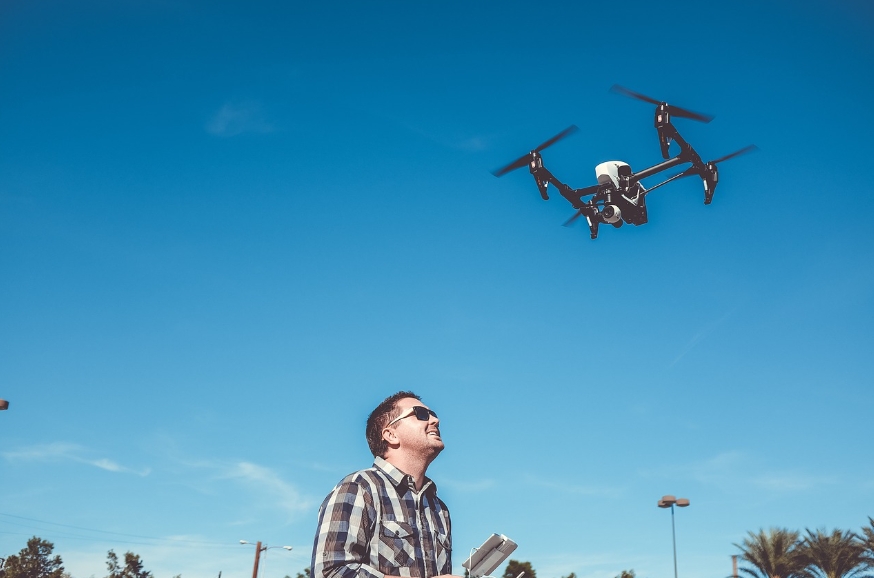
Drones, or unmanned aerial vehicles (UAVs), have become ubiquitous in today’s world, serving a multitude of purposes across various industries. To delve deeper into the realm of drones, starting with the dictionary definition all the way through their applications provides a comprehensive understanding of these fascinating devices.
Drone Dictionary Definition: At its core, a drone is an aircraft without a human pilot on board. It’s controlled either autonomously through onboard computers or remotely by a human operator.
Key Characteristics of Drones
- Autonomy: Many drones are equipped with advanced AI systems that allow for autonomous navigation and decision-making.
- Connectivity: Drones often rely on sophisticated communication systems to stay in touch with their ground controllers or other drones.
- Versatility: From photography to delivery services, drones are adaptable to numerous tasks.
Applications Across Industries
The practical applications of drones extend far beyond mere hobbyist pursuits.
In agriculture, drones assist farmers with crop monitoring and land surveying, improving yield forecasts. In construction, they provide aerial views crucial for site management and progress tracking. Environmental monitoring utilizes drones for collecting data from hard-to-reach areas. They are further employed in media and entertainment for capturing breathtaking aerial footage without the prohibitive cost of helicopters.
Drone Technology
Technological advancements have propelled drone capabilities exponentially forward. Each aspect of the drone ecosystem—from battery life to camera quality—is constantly evolving, resulting in better performance and wider application.
Drones today feature high-resolution cameras, GPS systems, and obstacle avoidance sensors.
Regulatory Considerations
With the surge in drone usage, regulatory frameworks have been established worldwide to govern their use. Regulations often focus on safety protocols, no-fly zones, and privacy concerns.
- In many countries, drones must be registered with the relevant aviation authority.
- Operators may need a specific license or permit, especially for commercial use.
- Compliance with airspace restrictions is crucial to avoid legal complications.

Drones must adhere to strict guidelines to ensure the safety of civilian airspace.
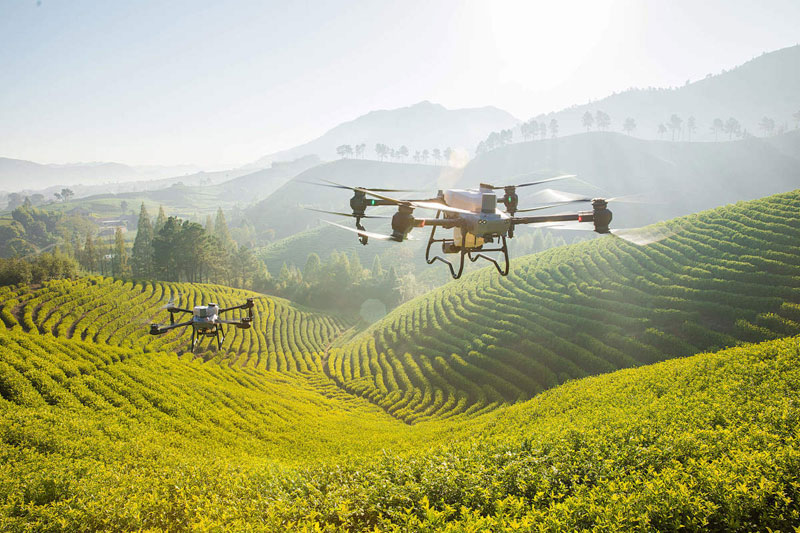 The future landscape of drones promises further integration into daily life and industries, advancing towards automation and smarter functionalities.
Frequently Asked Questions
- Do I need a license to fly a drone?
- Most countries require a license for commercial drone operations, whereas hobbyists might only need to register the drone.
- Can drones be used for delivery?
- Yes, several companies are exploring drone delivery systems to enhance logistical efficiency.
- How are drones controlled?
- Drones may be controlled remotely via radio signals or programmed for autonomous operation using GPS and onboard computers.