
With the growing popularity of drones, whether for personal enjoyment, professional use, or recreational activities like drone racing, understanding whether a drone pilot license is necessary has become increasingly important. The question, “Do you need a license to fly a drone?”, often arises, especially for those entering the world of aerial technology. Let’s dive into the details surrounding drone regulations and licensing requirements.
Understanding Drone Licensing
Drone pilot licenses are mandated by aviation authorities such as the Federal Aviation Administration (FAA) in the United States. These regulations are primarily based on the weight class of the drone and its intended usage. Commercial drone operators are required to obtain a Part 107 Remote Pilot Certificate, ensuring they understand airspace control and safety standards. Contrarily, hobbyists flying drones strictly for personal leisure without any economic gain usually face less stringent requirements.
Recreational Drone Use
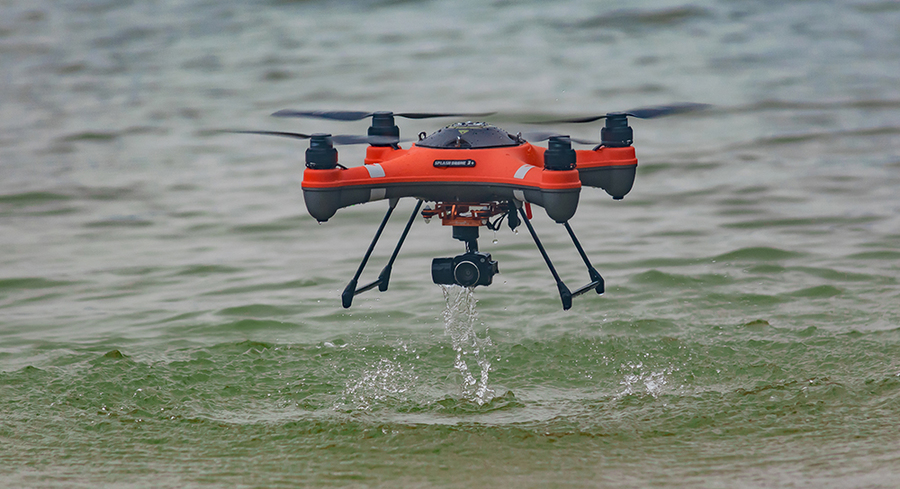
For recreational users, it’s crucial to adhere to community guidelines and weight restrictions as set by local regulations. In the US, for instance, drones weighing 0.55 pounds or less do not necessitate registration. Still, hobbyists flying larger drones should register their UAV (Unmanned Aircraft Vehicle) with the FAA. Moreover, FAA guidelines encourage safe play practices, such as flying below 400 feet and steering clear of restricted zones.
Commercial Operations and Certification
On the other hand, commercial use involves stricter adherence to governmental policy. The Part 107 certification involves both written tests and understanding of aeronautical concepts. These requirements ensure operators can manage drones safely within various airspace classifications. For commercial purposes like photography or surveys, acquiring this certification is non-negotiable.
Special Circumstances
Interestingly, certain scenarios like research projects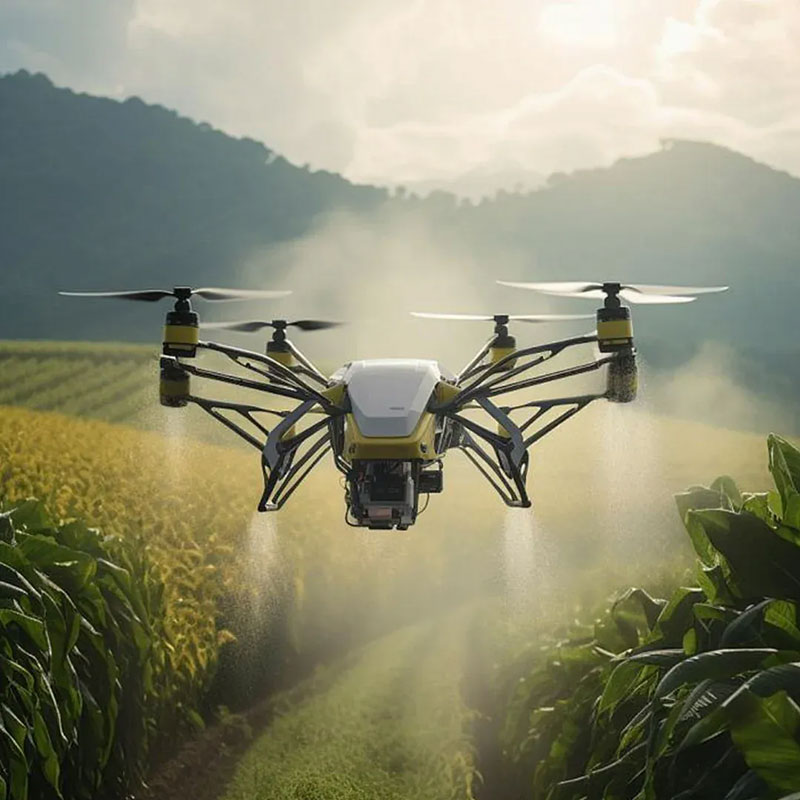 or educational experiments might demand specific waivers or authorizations to operate drones in restricted areas. Always verify local laws and obtain necessary permissions where applicable.
International Drone Licensing Norms
Outside the US, drone licensing requirements vary significantly. Countries like Canada, Australia, and the UK have their set of regulations that align with international aviation standards. For instance, Transport Canada manages drone regulations with distinct requirements for basic and advanced operations. It’s advisable for international users to educate themselves on the respective national regulations where they intend to operate drones.
Potential Changes and Future Trends
With technological advancements, licensure and aviation norms are expected to evolve. Governments may introduce more stringent or relaxed rules based on technological impacts and public safety concerns.
Common FAQs
- Do I need a license to fly a drone indoors? Typically, indoor drone activities are exempt from commercial licensing requirements, but safety guidelines should be followed.
- Is drone insurance mandatory? While not universally required, obtaining insurance protects against liabilities and is recommended for commercial users.
- Can I fly a drone at night? Flying at night generally requires additional waivers, especially for commercial operations, due to increased risk factors.
In summary, whether you need a drone pilot license largely depends on intended use, location, and regulatory guidelines. Staying informed can ensure legal compliance and enhance safety in drone operations.