
With the rise of drone videographer expertise, the art of capturing stunning aerial footage has reached new heights. Professional videographers wield drones not just as tools, but as extensions of their creative vision. For those eager to master this magnificent form of art, let’s dive into some professional insights and advanced techniques.
The Importance of Equipment
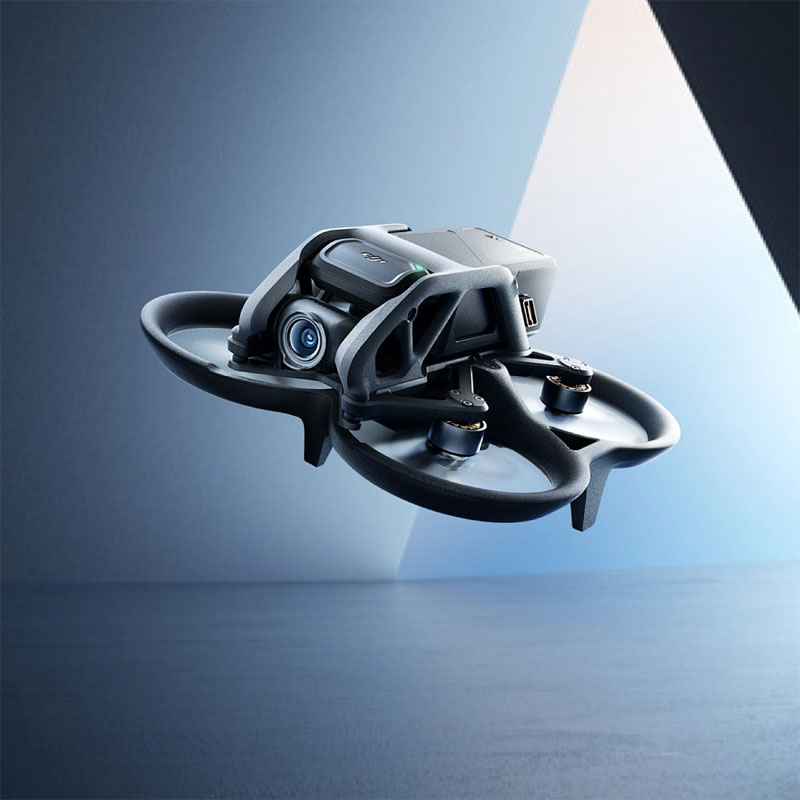
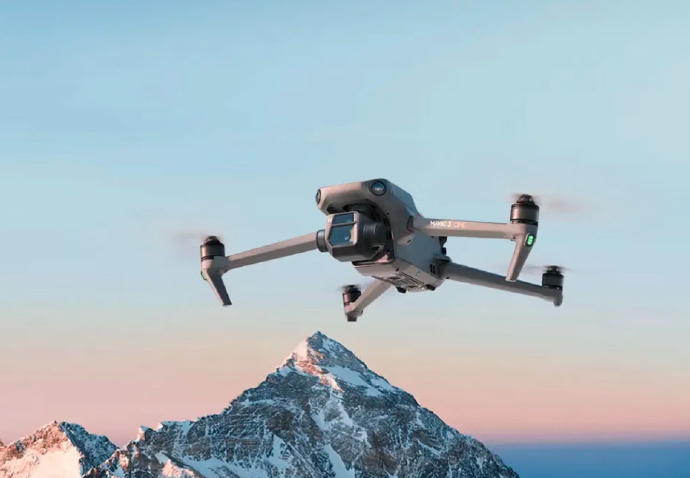
The first step in achieving high-quality aerial shots begins with choosing the right drone. Not all drones are created equal, and as a professional drone videographer, it’s imperative to consider models that offer stability, advanced camera features, and ease of use. Models such as the DJI Phantom series are often recommended for their excellent gimbal stabilizers and camera quality.
Understanding Your Drone
Each drone comes with a unique set of features and understanding them is critical. Spend time learning about flight controls, camera settings, and safety features your drone offers. Mastering these elements can be the difference between an amateur and a professional drone videographer.
Planning Your Shoot
Effective planning distinguishes professional work. Research your locations well in advance to understand the environment and any potential obstacles. Checking local regulations is also crucial, as drone flying is restricted in some areas to protect privacy and safety.
Consider your shooting time; the golden hours, usually during sunrise and sunset, can provide exceptional lighting conditions that enhance the visual appeal of your footage. Moreover, having a storyboard or shot list can streamline your workflow and ensure you capture all necessary footage.
Mastering the Art of Composition
Just like traditional photography, composition plays an enormous role in drone videography. Master the rule of thirds, leading lines, and symmetry to create balanced and captivating shots. High altitude shots work well for landscapes, while lower altitudes can be used for dramatic close-ups and reveal shots. Experiment with different angles and movements to find your unique style.
Post-Production Skills
Editing is a vital part of the videography process. Enhance your footage by using editing software to adjust color balance, contrast, and stabilization. Consider tools such as Adobe Premiere Pro or Final Cut Pro which offer powerful features for refining your projects.
Legal Compliance and Safety
Beyond the creative aspect lies the responsibility of adhering to laws and ensuring safety. Familiarize yourself with local aviation laws and acquire necessary permits. Constantly update your knowledge about drone videographer regulations to avoid legal issues.
Building a Portfolio
Once you have honed your skills, compiling a portfolio of your finest work is crucial. A strong portfolio showcases your style and capabilities and is essential for attracting potential clients. Choose both dynamic and serene clips that highlight your versatility as a drone videographer.
FAQs
Q:How do drones impact videography?
A:Drones provide unparalleled angles and perspectives, transforming ordinary scenes into compelling narratives.
Q:What are the best environments for drone videography?
A:A variety of landscapes—from cityscapes to nature—make perfect locations, depending on the story you wish to tell.