
With the advancement of technology, the military capability of countries worldwide has seen a significant evolution. One aspect of this transformation is the use of drones, and the United States has been at the forefront of integrating these unmanned aerial vehicles (UAVs) into modern warfare strategies. US drones have revolutionized the way conflicts are approached, providing unprecedented advantages in terms of intelligence gathering, precision strikes, and minimizing risk to human life.
The Rise of Unmanned Aerial Vehicles
Utilizing drones in military operations is not a novel concept; however, their usage has drastically increased in the 21st century. From surveillance missions to targeted drone strikes, these machines offer a strategic edge by providing real-time data and pinpoint accuracy. Equipped with advanced technology, US drones can operate in environments that are otherwise inhospitable or dangerous for manned aircraft. This technological progress has sparked an ongoing debate regarding the ethical implications and potential over-reliance on automated warfare.
Drone Technology and Surveillance
One of the key applications of US drones in modern warfare is surveillance. The ability to gather intelligence without putting military personnel at risk has transformed how missions are planned and executed. With the capability to hover over conflict zones and remain undetected, drones provide decision-makers with critical information regarding enemy movements and positions.
- Persistent aerial surveillance enables real-time situational awareness.
- Advanced imagery and sensor technology facilitate intelligence analysis.
- Risk to human life is drastically reduced.
Despite these benefits, the reliance on drone surveillance raises concerns about privacy and international law adherence.
Precision Strikes and Tactical Advantages
Another crucial aspect of US drone integration into warfare is the ability to carry out precision strikes. Unlike traditional combat methods, drones can target specific threats with minimal collateral damage. This precision is invaluable in high-stakes operations where every decision counts.
Drones equipped with missile capabilities provide a tactical advantage and have been deployed in numerous confrontations to neutralize threats efficiently.
While successful in many instances, the use of drones for strikes has also faced criticism due to incidences of civilian casualties, prompting discourse on the rules of engagement and justification in warfare.
Mitigating Risks and Ethical Concerns
The strategic benefits of US drones in modern warfare are clear, yet they come with ethical considerations that must be addressed. The notion of conducting operations remotely brings about questions of accountability and the psychological impact on operators. Additionally, the potential for drones to be used in violation of sovereignty or international laws poses significant diplomatic challenges.
While drones help minimize human risks on the battlefield, they must be deployed responsibly, with clear guidelines and oversight to prevent misuse and unintended consequences.
The Future of Warfare: Drone Advancements
Looking ahead, the role of drones in warfare is likely to expand further. With ongoing research into AI and machine learning, future drones may possess even greater autonomy and decision-making capabilities.
- Innovation in drone technology promises enhanced speed, range, and payload capacity.
- Artificial intelligence integration may lead to sophisticated autonomous operations.
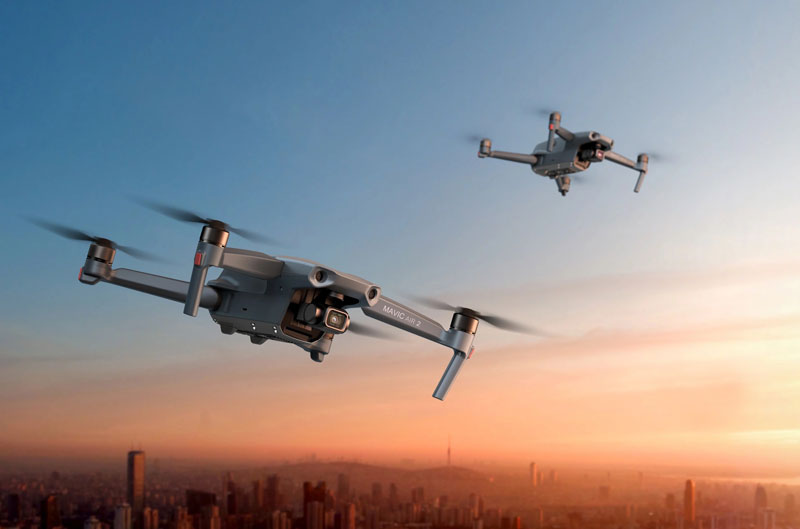
This evolution will continue to impact how military strategies are developed and implemented worldwide.
FAQs about US Drones and Modern Warfare
- How have US drones changed military operations?Drones have allowed for more precise strikes and enhanced intelligence gathering while reducing risks to personnel.
- What are the ethical concerns surrounding the use of military drones?Concerns include civilian casualties, privacy implications, and adherence to international law.
- What advancements can we expect in drone technology?
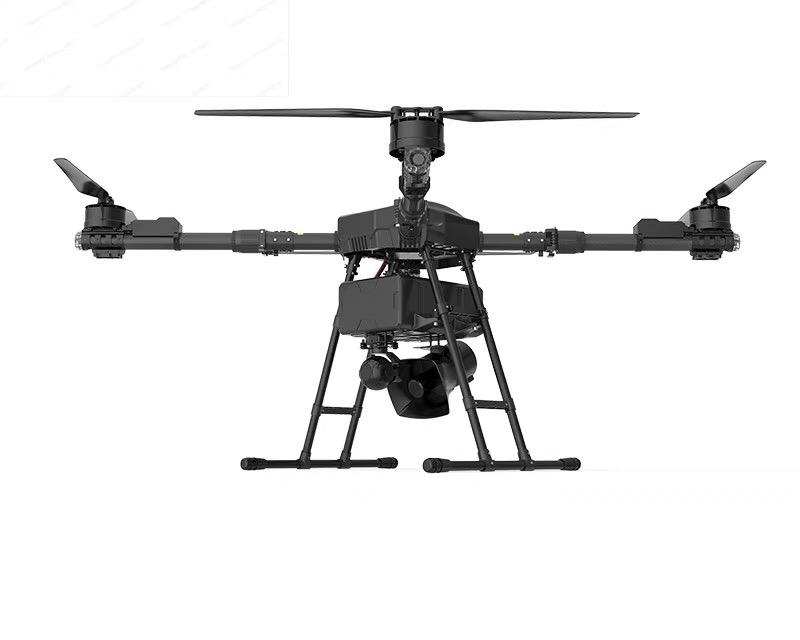 Future advancements may include improved autonomy, enhanced sensors, and AI-driven decision-making capabilities.
In conclusion, the incorporation of US drones into modern warfare has undeniably shifted military strategies and tactics. While offering numerous advantages, the ethical and legal implications remain a critical area for ongoing examination and regulation. As technology progresses, maintaining a balance between tactical innovation and ethical responsibility will be paramount.