
Drones today have evolved beyond conventional imaging to incorporate advanced features like infrared cameras. These additions elevate drones from merely capturing visible light to detecting thermal signatures, making them indispensable in applications across various sectors. Whether it’s in search and rescue missions, wildlife studies, or industrial inspections, a drone with infrared camera capabilities is a game-changer.
Applications in Search and Rescue
When natural disasters strike, time is of the essence. Drones equipped with infrared cameras can quickly scan large areas, identifying heat sources that may indicate human presence or trapped individuals. This technology revolutionizes rescue operations by providing fast and efficient tracking, ensuring that no time is wasted in locating victims.
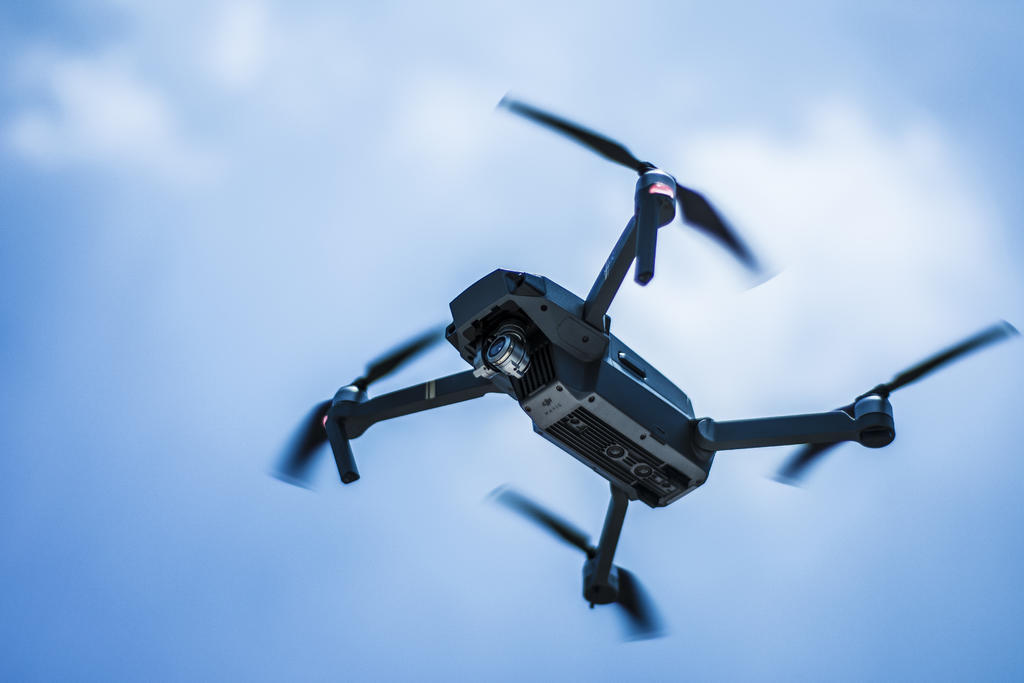
The Role in Wildlife Conservation
Wildlife conservationists have embraced drones with infrared cameras as a significant tool in monitoring animal populations without disturbing their natural habitat. Infrared cameras can detect heat signatures from wildlife, enabling researchers to gather data on nocturnal animals or those hidden by dense foliage, thus promoting more effective conservation strategies.
Industrial Usage
Drones in the industrial sector equipped with infrared capabilities serve critical functions. They allow for the inspection of machinery to detect overheating, which helps in preventive maintenance and avoiding costly downtimes. Additionally, they can scan buildings for heat leakage, contributing to energy efficiency improvements.
“Infrared technology is not just a technical upgrade; it is a necessity for precision and reliability in critical operations.”
From agriculture to security, drones facilitate superior surveillance and data collection.
Challenges and Innovations
While the advantages of infrared cameras are abundant, there are challenges such as interpreting data accurately under varying environmental conditions. Innovations continue to enhance resolution and sensitivity, making it easier to distinguish between different thermal readings. These improvements promise even greater efficiencies in drone operations.
Key Considerations When Choosing
When selecting a drone with an infrared camera, factors like camera resolution, flight stability, battery life, and software capabilities should be prioritized. These elements ensure that the drone will fulfill task requirements effectively and reliably. Always ensure that you match the drone’s features to the specific needs of your application for optimal performance.
As technology advances, the potential uses for these drones widen, paving the way for more groundbreaking applications. The combination of drones with infrared technology has opened pathways into realms previously untapped, offering unique perspectives that were once thought impossible.
FAQs About Infrared Drones
Can infrared drones see through walls?
No, infrared cameras detect heat signatures, but they cannot see through walls. They reveal surface-level thermal variations that may identify hotspots or thermal leaks.
Are infrared drones difficult to operate?
Modern drones equipped with infrared cameras are designed for user-friendly operations. With proper training, even beginners can learn to navigate and utilize their features effectively.
How does weather affect infrared drone operations?
Extreme weather conditions can impact infrared readings, rendering data interpretation more complex. However, advancements are mitigating these effects, allowing drones to operate efficiently across diverse environments.