
In recent years, the advent of drones has revolutionized various industries, and the inclusion of thermal imaging cameras has further enhanced their capabilities. Drones with thermal imaging cameras present a significant technological advancement, offering unique benefits for sectors such as agriculture, construction, security, and emergency response. When we talk about thermal imaging, we refer to a technology that detects infrared radiation typically emitted from an object and converts it into an image. This technology is incredibly beneficial in areas where visibility is compromised, such as during night or through smoke.
One of the most compelling applications of drones equipped with thermal imaging cameras is in agriculture. Farmers utilize these drones to monitor crop health by detecting temperature variations in fields, identifying areas affected by disease or pests. This allows for targeted intervention, optimizing the use of resources and enhancing crop yield.
In construction and maintenance, these drones help in inspecting the integrity of buildings and infrastructure by identifying thermal leaks and insulation issues. This not only saves time but also significantly reduces cost, preventing small issues from becoming major problems.
Security and surveillance
sectors benefit greatly from this technology as thermal cameras can detect human presence and movement in large areas. This feature is invaluable for monitoring restricted areas or during search operations, offering a level of detail not achievable with standard cameras. Moreover, these drones are pivotal during emergencies, such as firefighting or disaster relief operations. They provide crucial data by detecting trapped individuals through heat signatures or assessing hazardous areas without risking human lives. The deployment of drones with thermal imaging cameras in such situations can be a game-changer, enabling first responders to make informed decisions swiftly.
The technology’s potential extends beyond these sectors, influencing wildlife management, industrial inspections, and even energy audits. The versatility of these drones is truly remarkable, allowing various industries to leverage their capabilities to achieve better results efficiently. A crucial aspect of maximizing the benefits of drones with thermal imaging cameras lies in the skillful operation and interpretation of the images generated. Proper training and expertise are required to understand the nuances of thermal images to avoid misinterpretation which could lead to ineffective results.
An important consideration in this technology is the evolving regulatory landscape surrounding drone usage. Operators must adhere to local laws that govern the airspace and privacy concerns, ensuring responsible and ethical use of these powerful tools.
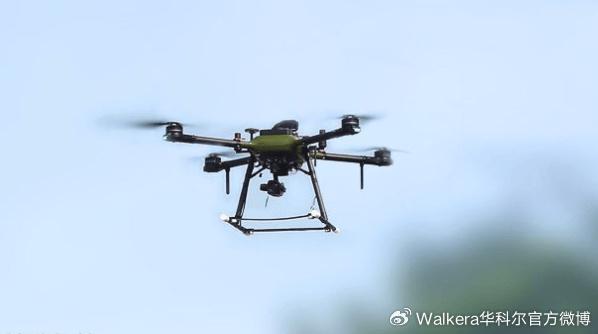 To conclude, as technology continues to evolve, the applications and benefits of drones equipped with thermal imaging cameras will undoubtedly expand, driving more innovative solutions across industries. The future holds exciting possibilities for this dynamic conjunction of drone technology and thermal imaging.
FAQs
- What are the limitations of thermal imaging cameras on drones?
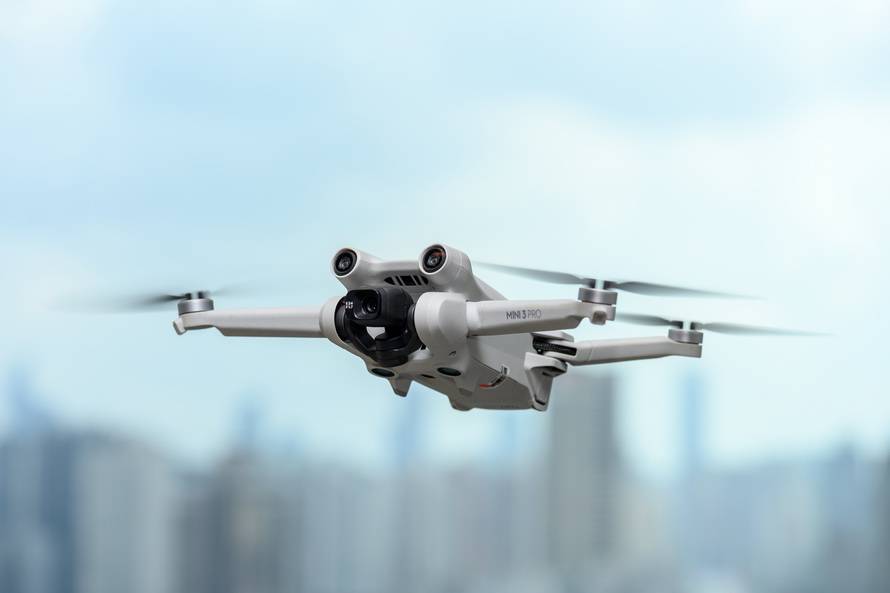 While incredibly useful, thermal cameras may not distinguish between objects with similar thermal profiles. Environmental factors such as rain or fog can also impact their effectiveness.
 - Can thermal imaging penetrate walls? No, thermal imaging cannot penetrate solid objects like walls. It detects surface temperatures and heat patterns emanating from them.
- How do drones assist in firefighting operations?
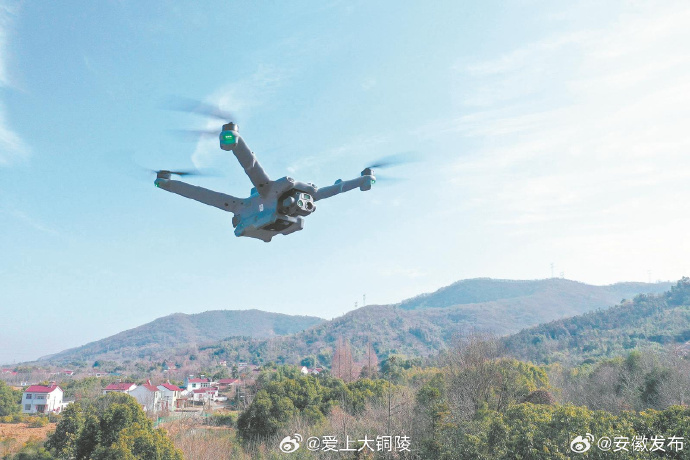 Drones equipped with thermal cameras locate hotspots and assess the spread of fire, providing critical information for the efficient deployment of firefighting resources.