
In recent years, the advent of search and rescue drone technology has transformed the landscape of emergency operations. These drones, equipped with advanced features, are pivotal in enhancing the efficiency and effectiveness of rescue missions. Search and rescue operations, often conducted under challenging and treacherous conditions, demand quick and precise action to save lives. Here, we delve into how drone technology is revolutionizing rescue missions.
The Role of Drones in Search and Rescue Missions
Search and rescue drones are designed to operate in environments where human involvement may be dangerous or impossible. Equipped with thermal cameras, sonar sensors, and advanced GPS systems, they can search vast areas in short periods. This reduces the time required to locate missing individuals in scenarios such as natural disasters, urban incidents, and remote area mishaps.
- Speed and Efficiency:
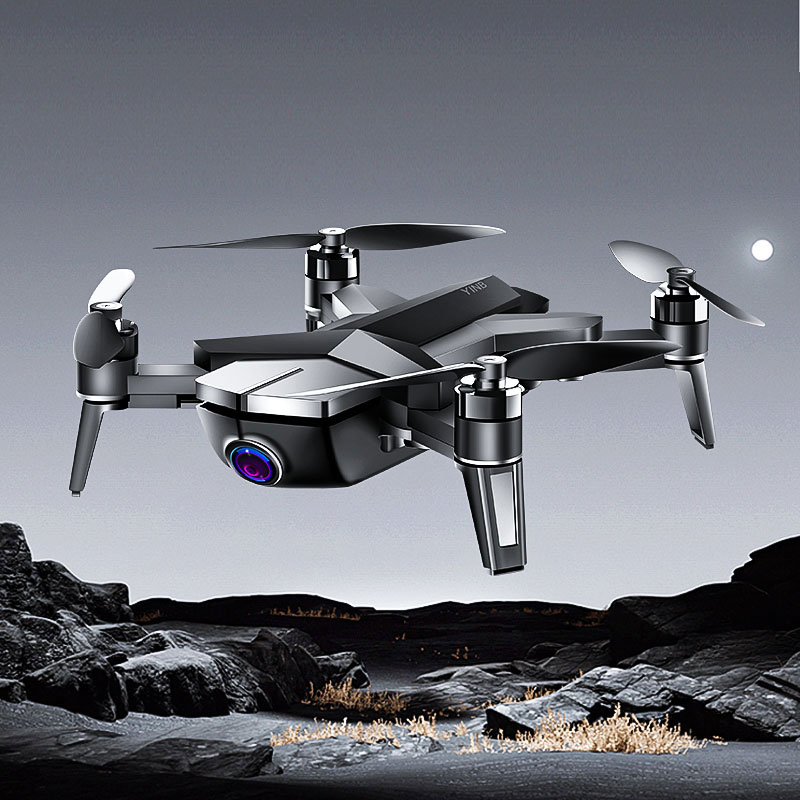 Drones can cover more ground quickly compared to traditional search methods, allowing for faster location and assistance of those in distress.
 - Safety: They allow rescuers to assess situations from a safe distance, minimizing potential harm to human responders.
- Accessibility: Drones can access tight or dangerous locations that are inaccessible by land or helicopter-based search teams.
The Technology Behind Search and Rescue Drones
At the heart of these drones lies sophisticated technology that enhances their functionality:
Thermal Imaging:
Using thermal cameras allows drones to detect heat signatures, making it easier to find people in low-visibility environments, such as forests during nighttime or buildings filled with smoke.
GPS and Mapping Technologies:
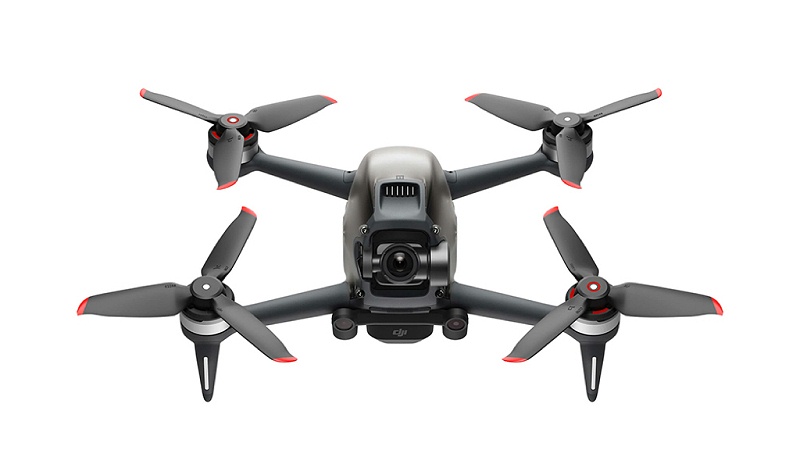
With cutting-edge GPS technology, drones can map out areas accurately, facilitating the search and providing clear guidance to ground teams.
Real-Life Applications
The practical applications of search and rescue drone technology are extensive. From mountain rescue missions where traditional access is difficult to rapid response in urban disasters, these drones have proven their worth. For instance, in the aftermath of earthquakes, drones have been deployed to map destruction, spot survivors, and deliver immediate assistance supplies such as water or medicine.
Advantages and Limitations
While the benefits of using drones in search and rescue are numerous, it’s important to acknowledge their limitations. Adverse weather can affect drone operations, and there are also legal and regulatory constraints regarding drone flights in certain areas. However, the advantages often outweigh these setbacks, as the technology continually evolves.
It’s clear that search and rescue drones aren’t just gadgets; they are vital tools that enhance the capacity to perform lifesaving missions more safely and effectively.
Future of Search and Rescue Drones
The future holds innumerable possibilities for search and rescue drones. With the integration of AI and machine learning, these drones are set to become even more autonomous, requiring less human intervention during missions. This includes real-time data analysis and decision-making capabilities that will significantly enhance the rescue operations.
Frequently Asked Questions (FAQs)
How do drones help in search and rescue operations?
Drones help by quickly covering large areas, providing visual and thermal imaging to locate missing individuals quickly, and delivering supplies when needed.
Are there any limitations to drone-based rescue operations?
Yes, drones can be limited by weather conditions, battery life, and regulatory restrictions. However, advances in technology are continuously mitigating these challenges.
What advancements can we expect in this technology?
Future advancements include more autonomous operations with AI, better sensors, and longer battery life, further improving their effectiveness in rescue missions.