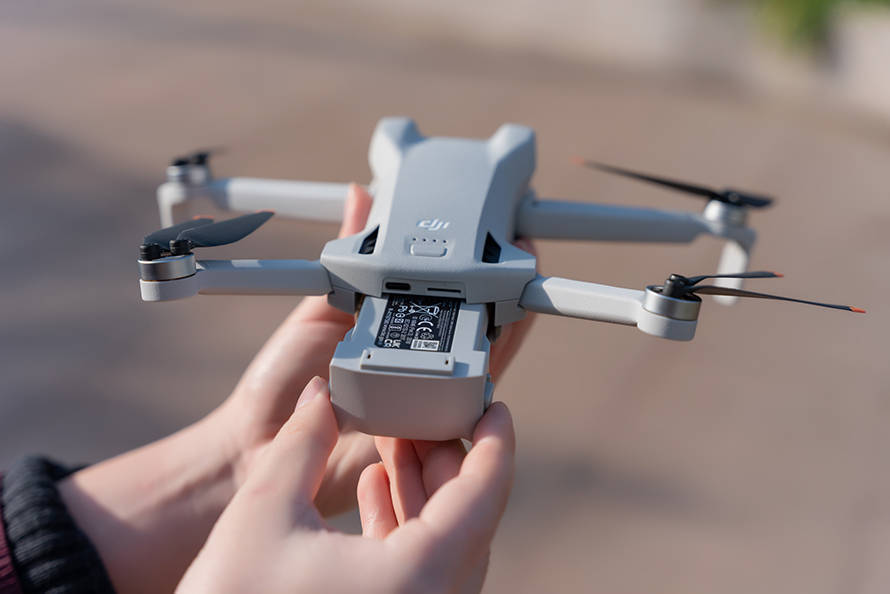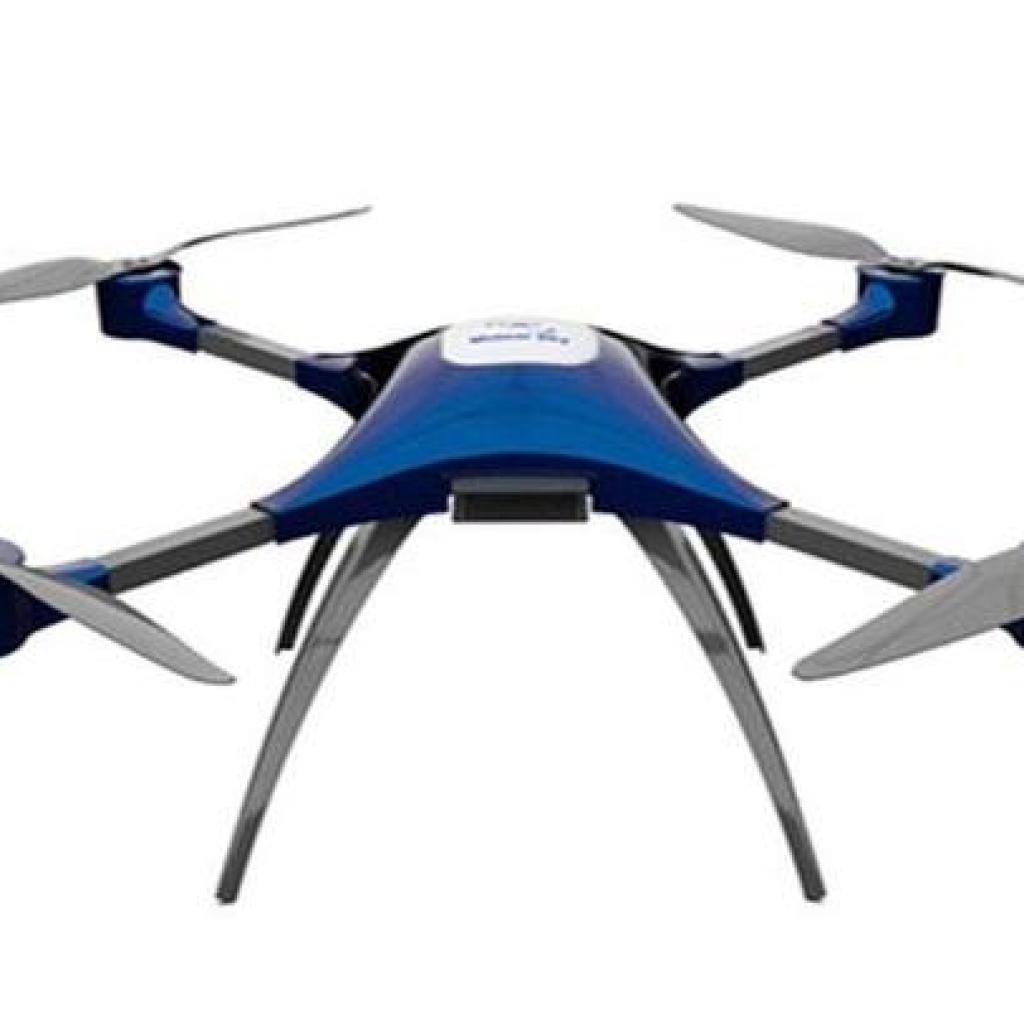
The rise of drones has altered the technological landscape, with DJI dominating the market as a leading manufacturer. However, it’s crucial to consider why certain countries opt to ban DJI drones. This decision often stems from security concerns, regulatory compliance, and geopolitical tensions. Let’s delve deeper into these factors to comprehend the implications and motivations behind these bans.
Security Concerns
One of the primary reasons for the prohibition of DJI drones in specific regions is security. Governments express concerns about the potential for drones to facilitate espionage, cyber attacks, or data breaches. Given that many DJI drones are equipped with high-resolution cameras and advanced GPS capabilities, they can inadvertently capture sensitive information from restricted areas. Such capabilities have prompted governments to question the safety of using foreign-manufactured drones in sensitive operations or airspace.
Moreover, discussions around the potential vulnerability of DJI’s data handling processes also contribute to these concerns. Despite DJI’s efforts to reassure users about the privacy and security measures implemented, some authorities remain skeptical, emphasizing the need for local control over key technologies.
Compliance with Regulations
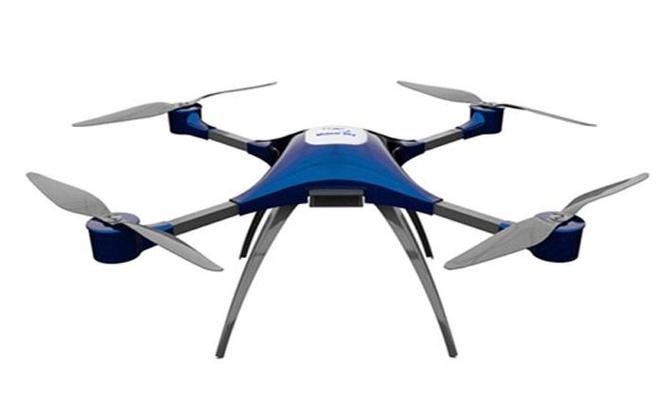
Regulatory compliance plays a significant role in why some regions opt to ban DJI drones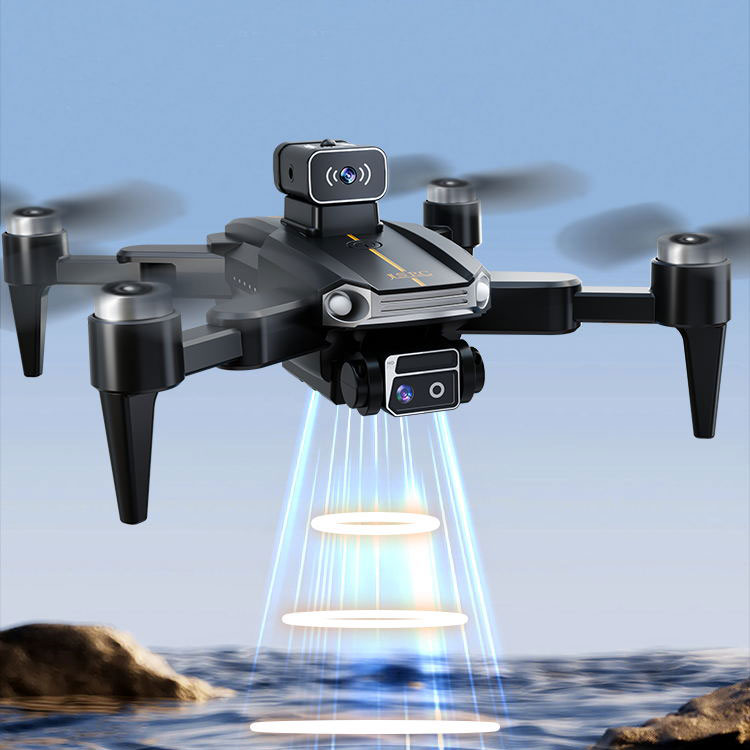 . Different countries have varied standards and regulations regarding drone operation, including flight restrictions, registration requirements, and no-fly zones. DJI, despite its technological advantages, may not always align perfectly with these local laws. This misalignment could lead to unauthorized flights or breaches of airspace, making it difficult for local authorities to manage and monitor drone activity effectively.
Furthermore, countries with strict regulations may find DJI’s compliance frameworks inadequate, thus leading to stricter stances against their use.
Geopolitical Tensions
Finally, geopolitical factors cannot be ignored. The political climate between nations can heavily influence technological approvals, and in some cases, the banning of DJI drones is part of broader trade restrictions or national security measures. These tensions may result in restrictive trade policies that impact how foreign companies operate within a nation’s borders, influencing decisions to curtail the import or usage of their technological products.
It is important to consider these drones within the larger context of national security and international relations. Actively staying informed about these issues helps us understand the multifaceted considerations at play.
Alternatives and Innovations
As some countries ban DJI drones, the market for alternative drones is expanding. Local manufacturers are stepping up, focusing on stricter compliance with regional policies, and ensuring data security to mitigate the issues presented by foreign-manufactured drones. This shift encourages innovation within the drone industry and promotes competition, ultimately benefitting consumers.
- What alternatives to DJI drones do users have? Many countries emphasize promoting local drone startups and manufacturers, ensuring robust competition and choice for consumers.
- Are all countries thinking of banning DJI drones? Not at all, a number of countries welcome DJI technology, observing due vigilance on data security and embarking on collaborations to build trust.
- How does banning DJI drones affect businesses? It may initially disrupt operations reliant on DJI’s technology, forcing them to adapt and seek compliant solutions.