
In recent years, the evolution of technology has witnessed the emergence of giant drones, transforming the landscape of both commercial and recreational sectors. Giant drones, distinguished by their substantial size compared to conventional UAVs, have paved the way for innumerable possibilities in various industries, including agriculture, logistics, filmmaking, and beyond. As technology advances, these drones have become integral to enhancing productivity and efficiency in multiple domains.
Applications in Various Industries
One of the most impressive applications of giant drones is in agriculture. These drones are capable of covering extensive fields, providing precise spraying of fertilizers and pesticides, thus optimizing crop yield and reducing manual labor. The ability to gather and process large amounts of data helps farmers monitor and manage their crops more effectively, promising a new era of agricultural innovation.
In the realm of logistics, giant drones are reshaping the future of delivery services. Companies are investing heavily in drone technology to offer faster and more reliable delivery methods, particularly in remote areas where conventional means prove challenging. These advancements are predicted to lead to substantial reductions in delivery times and costs, benefiting both consumers and providers.
Filmmaking and Media Entertainment
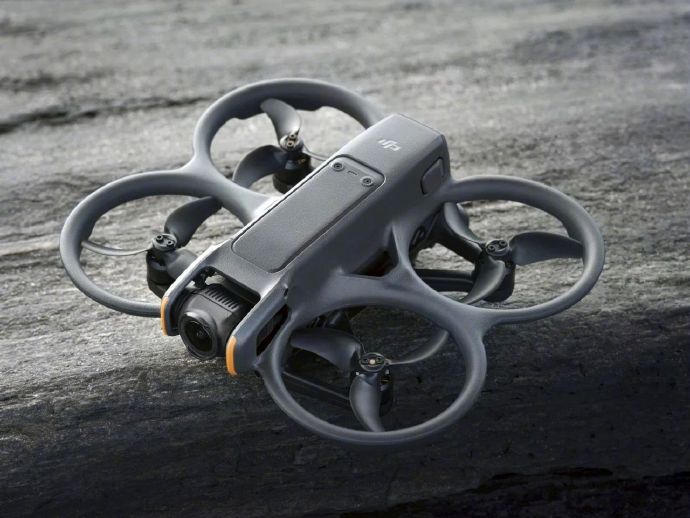
Giant drones have also made a significant impact on the filmmaking industry. These drones provide filmmakers with a versatile tool for aerial cinematography, allowing for breathtaking shots that were once difficult to achieve. With the ability to carry heavy camera equipment, filmmakers can explore new dimensions of storytelling by capturing stunning visuals from heights and angles previously unattainable.
Furthermore, the entertainment industry is witnessing the incorporation of drones in live events and performances. From dynamic light shows to immersive concert experiences, giant drones are adding a new layer of spectacle to entertain audiences worldwide, showcasing creativity that transcends traditional boundaries.
Technical Advancements and Challenges
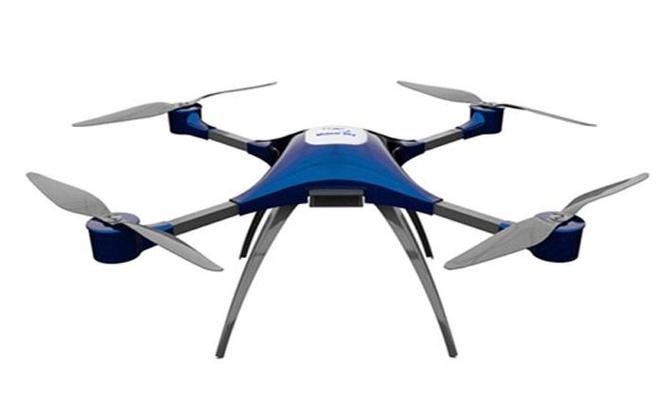
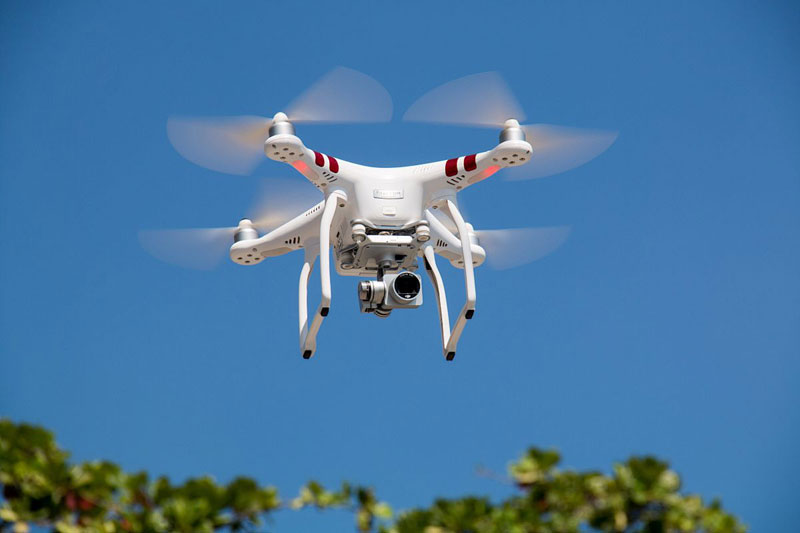
The rise of giant drones is fueled by significant technological advancements, including improvements in battery life, navigation systems, and payload capacity. Developers are constantly working on enhancing these aspects to ensure the drones can perform tasks efficiently and safely.
Despite their advantages, giant drones are not without challenges. Regulatory constraints regarding airspace and safety measures pose hurdles for widespread adoption. Moreover, the cost of development and maintenance is significant, requiring substantial investment and resources. Addressing these challenges is crucial to harnessing the full potential of giant drones.
Future Prospects and Innovations
The future of giant drones looks promising, with ongoing research and development aimed at expanding their capabilities. Innovations such as autonomous flight, swarm technology, and AI integration are set to revolutionize the operations of these drones, making them smarter and more adaptable to various environments.
Moreover, environmental concerns are prompting manufacturers to focus on creating drones that are energy-efficient and less intrusive to ecosystems. As technology progresses, we can anticipate giant drones playing a pivotal role in tackling global issues such as disaster management and environmental conservation.
FAQs
What are the primary benefits of using giant drones in agriculture?
Giant drones offer precise spraying capabilities, efficient data collection, and reduce the need for manual labor, significantly enhancing crop management and productivity.
How do giant drones contribute to the logistics sector?
They provide fast, reliable delivery solutions, especially in remote areas, reducing delivery times and costs.
What challenges are associated with developing giant drones?
Challenges include regulatory constraints, safety concerns, and high development costs, which require substantial investment and careful planning.