
Wright-Patterson Air Force Base, one of the busiest government aviation hubs in the United States, has recently announced the temporary closure of its airspace due to increased drone activity, a move that highlights the growing concern over unauthorized drone operations near critical assets. This closure affects not only military operations but also impacts surrounding civilian air traffic. The unprecedented increase in drone incursions has prompted an immediate response to safeguard both national security and public safety.
Understanding the Wright-Patterson Airspace Closure
Drone activity over military bases poses not only logistical but also security challenges. Wright-Patterson Air Force Base, with its sprawling acreage and strategic importance, is particularly vulnerable to such threats. The closure aims to mitigate any potential risks drones might introduce. These unmanned aerial systems can inadvertently breach restricted zones, interfering with military operations and compromising critical training exercises.
The Implications for Drone Operators
Drone Regulations and Compliance
To align with FAA guidelines, drone operators must adhere to specific regulations when flying near sensitive areas. Wright-Patterson’s temporary airspace closure serves as a stark reminder of the necessity to comply with these rules. Drone enthusiasts and commercial operators alike are urged to check the latest notices from aviation authorities to avoid penalties and ensure safe skies for all. Failing to comply not only risks legal consequences but also jeopardizes strategic air operations.
Navigating Airspace Restrictions
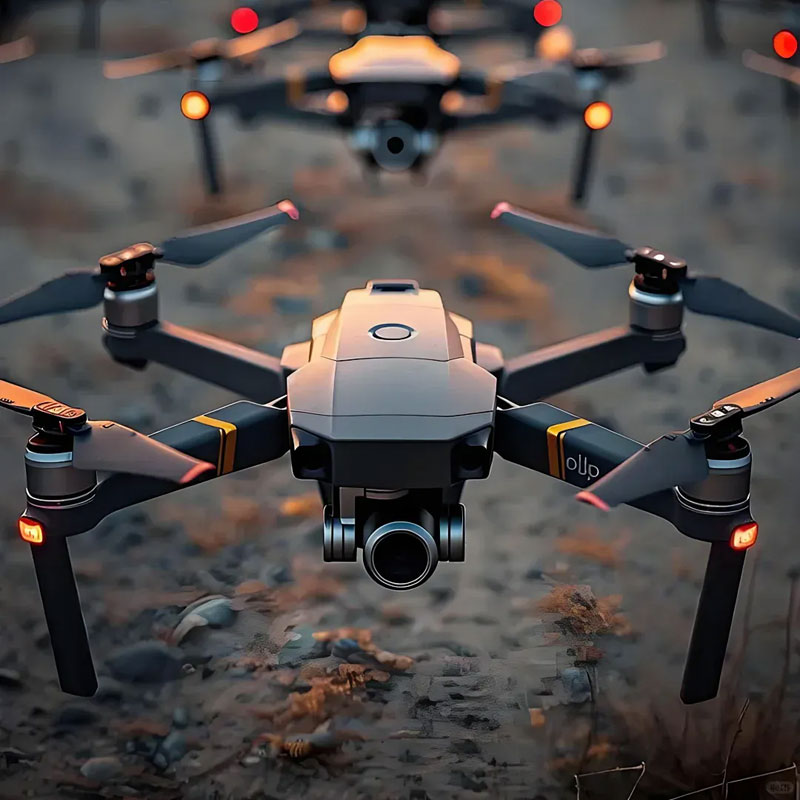 With the rise in recreational and commercial drone use, understanding restrictions becomes paramount. Wright-Patterson’s closure is an opportunity for drone users to familiarize themselves with the airspace classification system and engage with existing regulatory frameworks. Utilizing resources such as FAA charts and aviation apps can aid in identifying no-fly zones, thus preventing unlawful intrusions.
Monitoring Drone Activity
Technological Advancements In response to these challenges, the base has employed advanced radar systems and aerial surveillance technology, enhancing its ability to detect and intercept unauthorized drones swiftly. This proactive approach underscores the importance of utilizing cutting-edge solutions to counteract potential airspace violations.
- Enhanced Radar Technologies
- Aerial Surveillance Methods
- Drone Interception Protocols
Community Outreach and Education Engaging the local community and offering educational programs about drone safety remains a priority. By empowering residents and enthusiasts with knowledge, Wright-Patterson aims to reduce instances of accidental no-fly zone breaches. Workshops and informational sessions are integral to promoting responsible drone use.
FAQs
What should drone operators know about airspace restrictions?
Drones should not be flown within restricted airspaces such as military bases without proper authorization. Operators are encouraged to reference FAA guidelines for comprehensive information on airspace classifications.
How can we ensure compliance with drone regulations near Wright-Patterson?
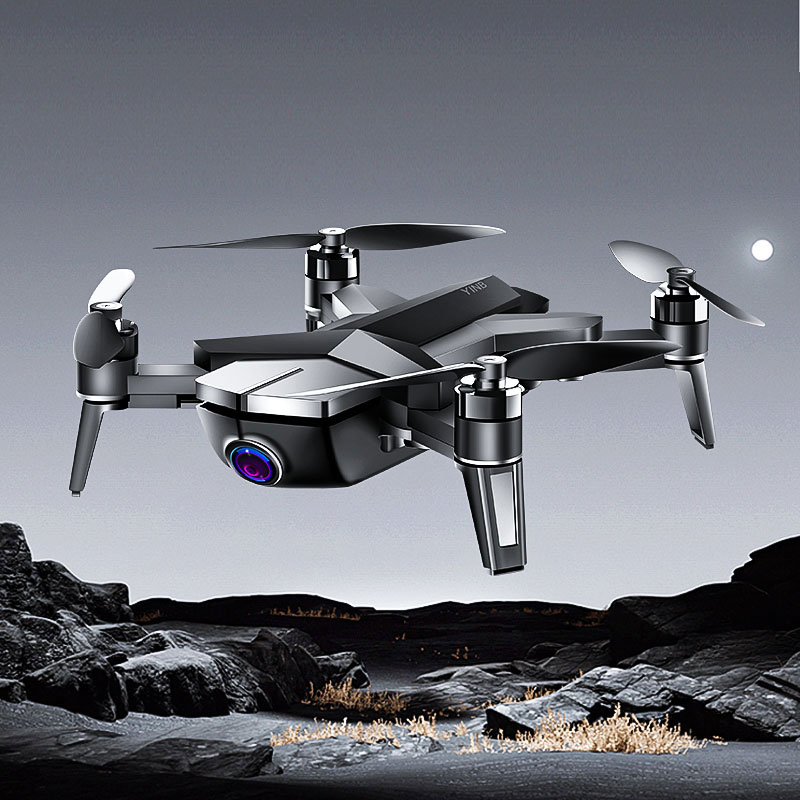
Staying informed through official channels and employing technology like geo-fencing can assist in maintaining compliance. Regular updates from aviation authorities can further guide operators in responsible flying practices.
Are there penalties for violating airspace near military installations?
Yes, breaching these restricted areas can lead to severe fines and legal action. It’s crucial for drone operators to understand the seriousness of adhering to airspace regulations to protect national security and personal safety.