
The advent of FPV drones has revolutionized the way we perceive remote-controlled flying experiences. The concept of First Person View drones is inspired by the natural desire to explore and see the world from a perspective previously exclusive to birds and pilots.
Understanding FPV Drones
In essence, what constitutes an FPV drone is its ability to provide pilots with a live video feed, directly from the drone’s perspective. This live feed is transmitted to goggles or monitors, allowing pilots to navigate as if they are inside the drone itself. This immersive experience is made possible through a combination of sophisticated camera systems and high-frequency transmission technologies.
The Mechanics Behind FPV Drones
Central to the function of FPV drones is their camera system. Typically, these cameras are capable of high-definition video capture, and they are equipped with wide-angle lenses to provide a broad field of view. The video feeds are transmitted in real-time through radio frequencies or WiFi systems, which are sophisticated enough to maintain stability and low latency during transmission.
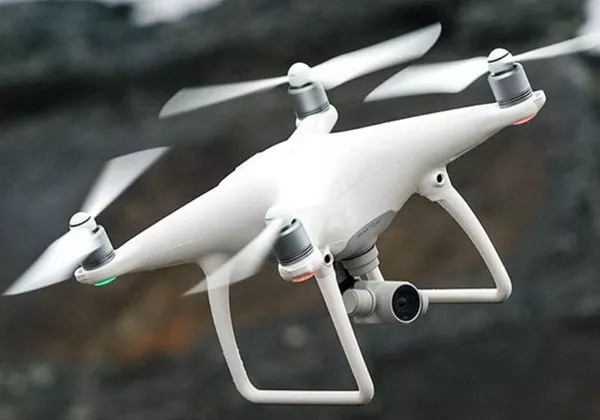
Moreover, the integration of flight controllers with various sensors like gyroscopes and accelerometers ensure that the drone maintains balance and reacts fluidly to pilot commands. This precision is vital in high-stakes environments such as drone racing, where competitors require swift reflexes and accurate maneuvers.
The Appeal of FPV Drones
The widespread appeal of FPV drones can be attributed to several factors; their ability to provide an exhilarating and immersive flying experience is paramount. For drone racing enthusiasts, the thrill of navigating through tight courses at high speeds, all from the drone’s viewpoint, offers an adrenaline rush previously unattainable with traditional RC planes.
Meanwhile, aerial photographers and videographers utilize FPV drones for their advanced control and the unique perspectives they can achieve. The integration of first-person viewpoints allows for more creative shots and the ability to capture footage that resonates with the dynamic nature of flight.
Applications Beyond Recreation
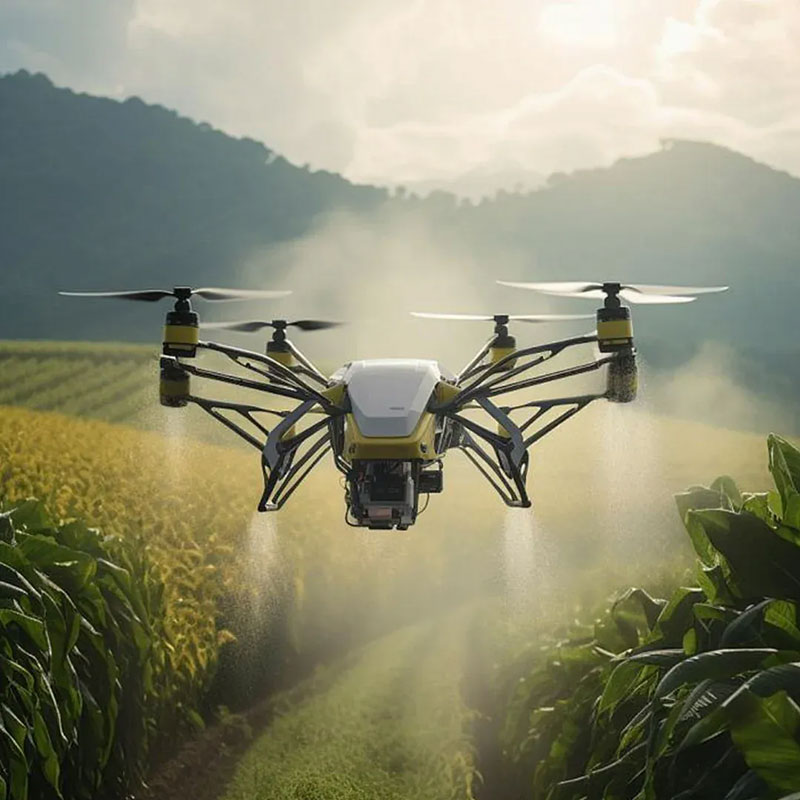
The potential of FPV drones extends beyond mere entertainment. In commercial sectors, these drones are pivotal in work such as agriculture monitoring, where vast areas need consistent observation from a first-person perspective. Industrial inspections also benefit from this technology, providing high access to hard-to-reach areas safely and efficiently.
Additionally, FPV drones have shown their value in disaster response situations, providing rescuers live feeds from areas where human access is difficult or dangerous.
FAQs About FPV Drones
How far can FPV drones travel?
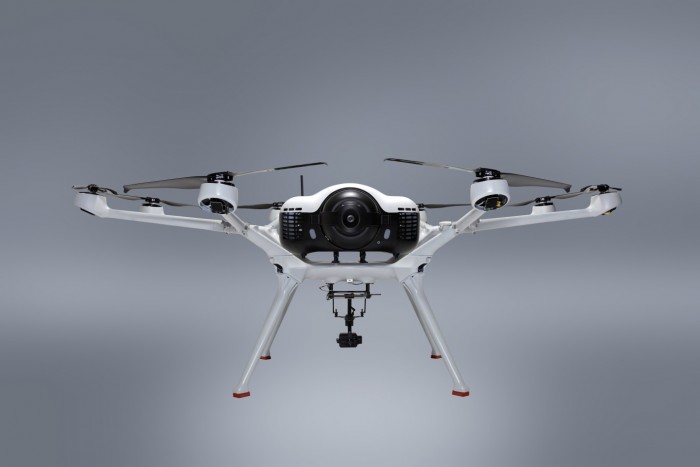
The range of an FPV drone largely depends on the strength of the transmission system. Entry-level models may have a range of about 200-500 meters, while more advanced systems can exceed several kilometers under ideal conditions.
Are FPV drones difficult to fly?
While FPV drones require some level of skill to control, many professional pilots suggest starting with a simulator to get accustomed to the controls. With practice, even beginners can develop the proficiency needed to pilot these drones effectively.
What is the cost range for FPV drones?
FPV drones can vary significantly in price, with basic models starting around $100, while advanced models with superior capabilities can cost several thousand dollars.