
In today’s fast-paced world, the advent of pressure washing drones marks a significant shift in the cleaning industry. With the ability to efficiently clean hard-to-reach surfaces, these drones are rapidly changing the landscape of large-scale cleaning operations. But what exactly makes a pressure washing drone revolutionary?
Understanding Pressure Washing Drones
At its core, a pressure washing drone combines the mobility and adaptability of aerial technology with the power of pressure washing. Traditional cleaning methods often require scaffolding, ladders, and significant time investment, especially on large structures like warehouses, high-rise buildings, and bridges. In contrast, pressure washing drones offer a more efficient, cost-effective, and safer alternative.
The Technology Behind the Innovation
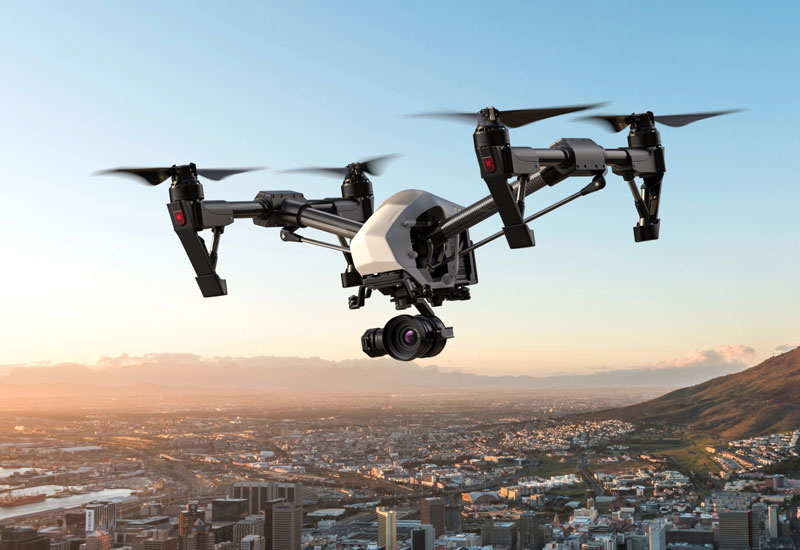
Pressure washing drones are typically equipped with high-pressure nozzles and onboard water tanks, although some may be designed to work with a tethered water source. These drones utilize precision flight controls and high-resolution cameras to navigate and clean intricate surfaces without human intervention. The operator can control the device remotely, ensuring safety and precision even in the most challenging cleaning scenarios.
Benefits of Using Pressure Washing Drones
- Cost Efficiency: With fewer personnel required, companies save significantly on labor costs. The speed at which drones operate also shortens project timelines.
- Enhanced Safety: Traditional high-rise cleaning involves risks such as falls and equipment failure. Drones mitigate these risks by allowing workers to stay on the ground.
- Eco-Friendly: Many drones are designed to minimize water usage, aligning with more sustainable practices.
- Hard-to-Reach Areas: Drones can easily access difficult parts of structures, ensuring a more thorough cleaning.
Applications in Various Industries
Pressure washing drones find applications across numerous industries. In the commercial sector, they offer invaluable services for building maintenance, especially for businesses with large premises. The infrastructure sector benefits from drones that clean bridges and tunnels, where access is usually limited. In agriculture, drones help maintain equipment cleanliness, improving efficiency and lifespan.
The Future of Cleaning with Drones
As technology evolves, pressure washing drones will likely become more autonomous, intelligent, and capable of handling various cleaning tasks simultaneously. Integration with AI could allow them to identify and adapt to different materials and surfaces, optimizing the cleaning process further. These advancements promise not only to revolutionize cleaning but also to set new standards in maintaining societal infrastructure.
Challenges and Considerations
Despite their potential, pressure washing drones face challenges such as regulatory compliance and weather dependency. Operators must ensure that drones are used in accordance with aviation laws, especially in urban areas. Additionally, unpredictable weather can impact a drone’s ability to function correctly, necessitating careful planning and contingency strategies.
FAQ
Are pressure washing drones safe for all surfaces?
Most pressure washing drones are safe for a variety of surfaces, but it is crucial to ensure the pressure setting is appropriate to avoid damage.
How long can a pressure washing drone operate on a single charge?
The operation time varies depending on the model and usage, but most drones can fly continuously for 20-40 minutes before requiring a recharge.
Do I need a special license to operate a pressure washing drone?
Yes, in many jurisdictions, operators will need to obtain a specific license or permission to use drones for commercial purposes.